Building an Innovative Human-Computer Interaction Lab
My Journey as Co-Director
Co-Founder, Project Manager, and Designer
Jan 2024 – Current
CRAFT^2, founded in 2023

Introduction
Intro
When my co-founder and I first envisioned establishing a Human-Computer Interaction (HCI) Lab, we were driven by a shared passion for innovation and a desire to create a collaborative space where students could explore cutting-edge technologies. From our initial meetings, brainstorming sessions, and planning weekends, we carefully laid the foundation for a lab that would foster creativity, technical excellence, and a strong community culture.
My Role
My role as Co-Director has involved extensive planning—defining our mission, setting clear goals, and curating a welcoming environment for new members. One of my key responsibilities was structuring our roadmap for 2024 & 2025, ensuring that our lab not only conducted impactful research but also engaged actively with the wider community through events and hands-on projects.
Accomplishment
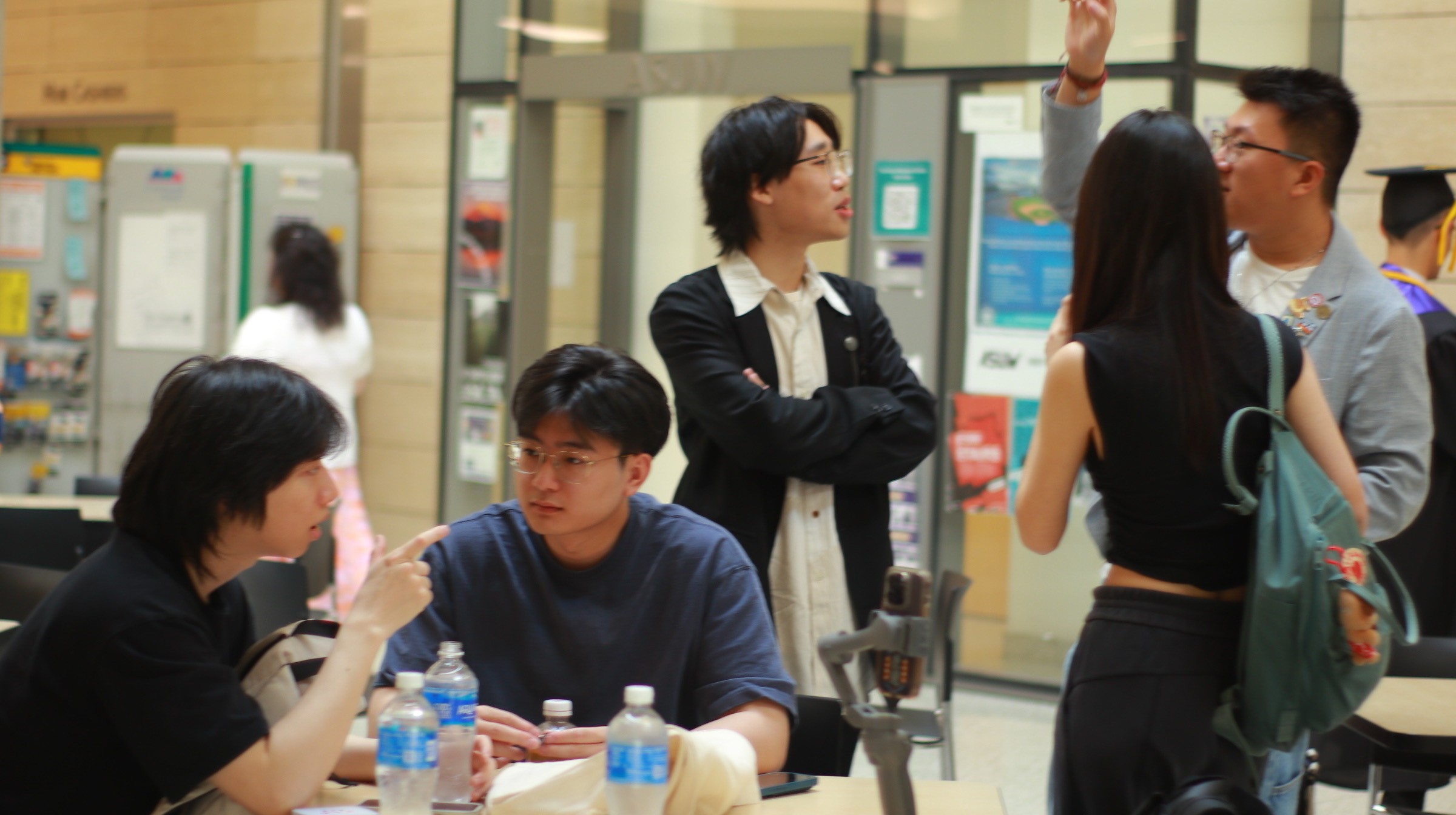
Over time, our small team of four has grown into a thriving lab of 22 members, each bringing unique perspectives and skills to our collective vision. Through various initiatives, workshops, and competitions, we have solidified our presence in the HCI field, always pushing the boundaries of innovation. Here are some of the key projects and events I have led.
Project #1
Engineering Discovery Days: Outreaching to Future Engineers
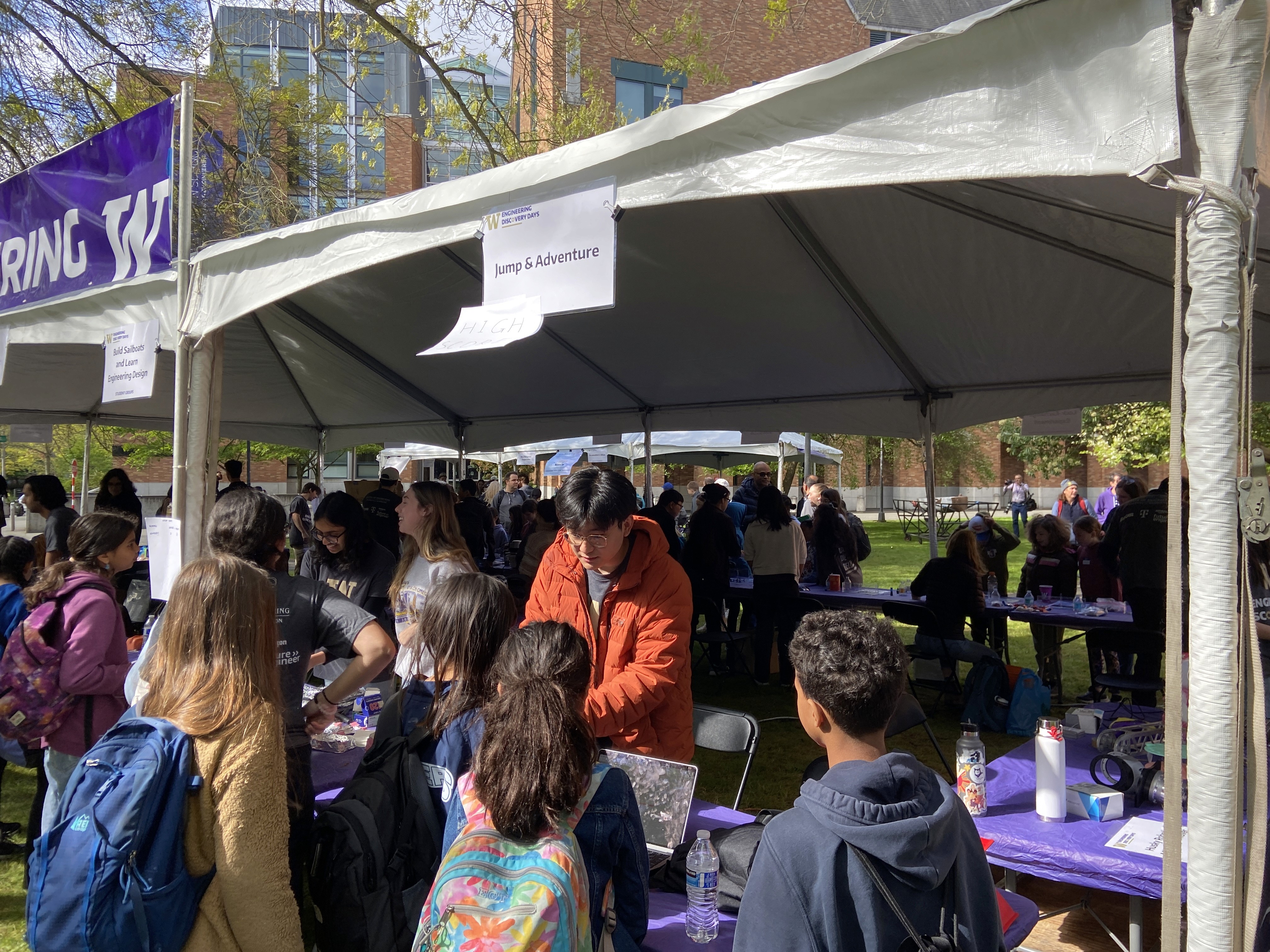
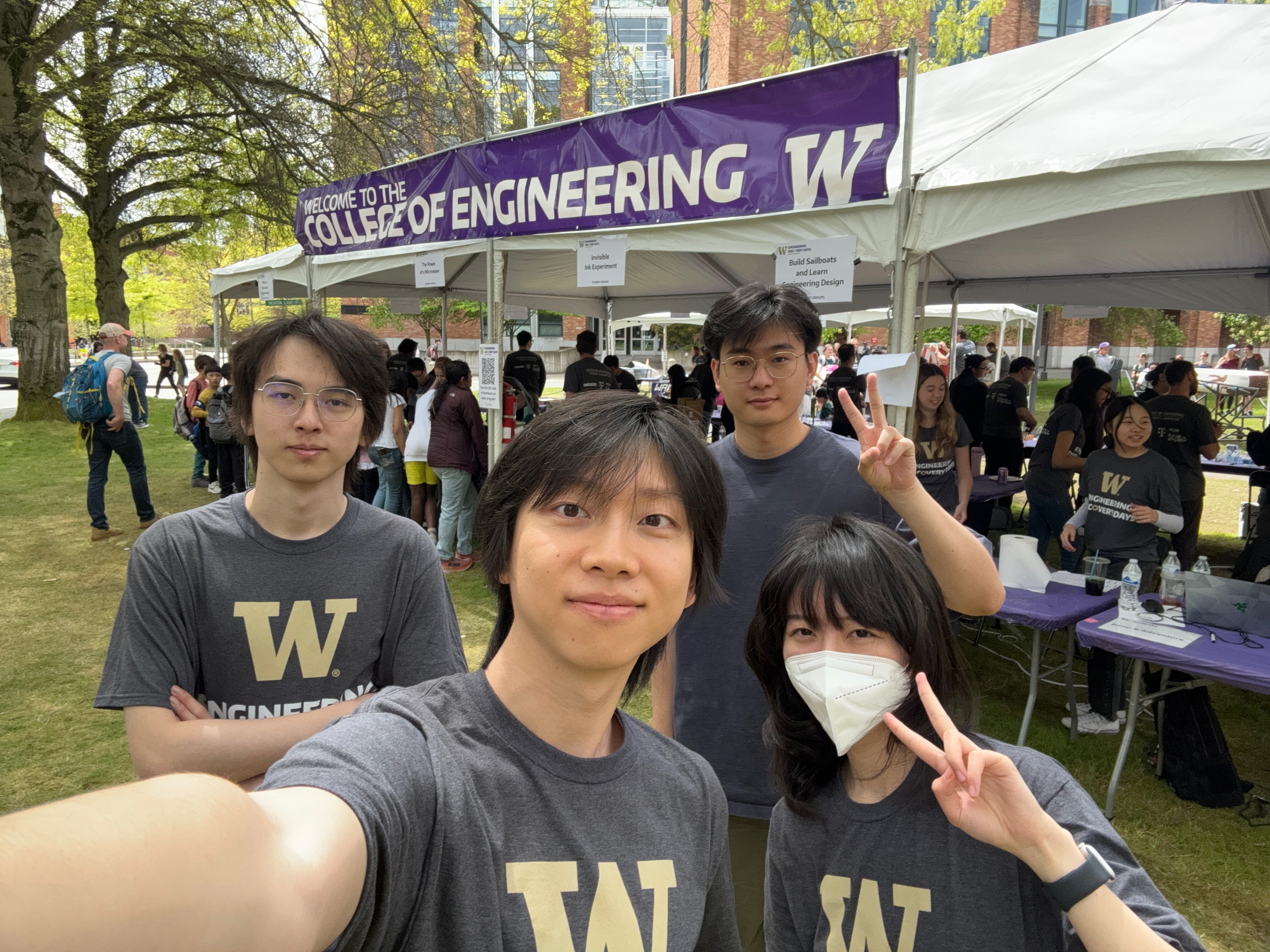
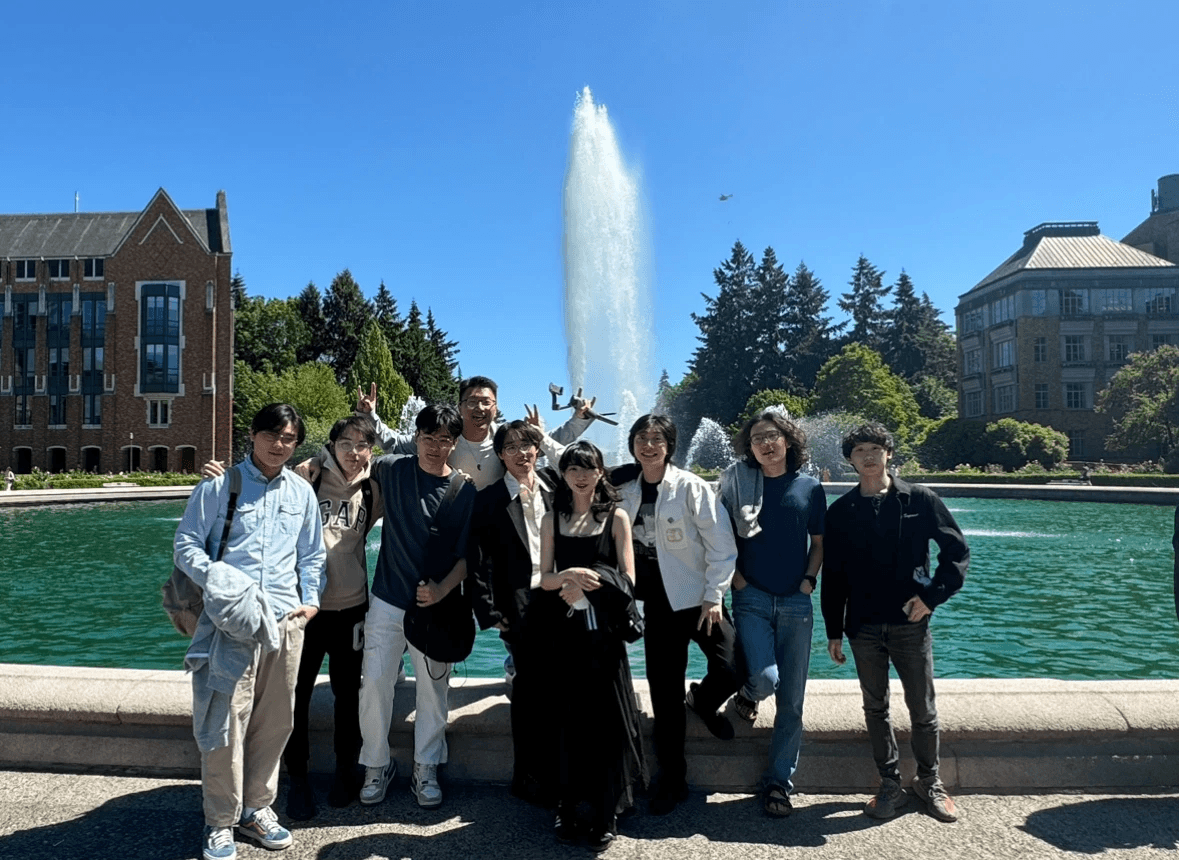
One of the highlights of our outreach efforts was participating in the University of Washington's Engineering Discovery Days in May 2nd & 3rd 2024, where we introduced hundreds of students to the exciting world of physical computing.
What we did
For this event, I led a small team in developing an interactive Arduino + P5.js project. Our prototype used an ultrasonic sensor to measure hand movements, translating them into real-time controls for a simple jumping game in P5.js. By moving their hands closer or further from the sensor, players could make an on-screen block jump over obstacles, making for an engaging and intuitive experience.
Our Impact
Over the course of two days, our exhibit attracted more than 200 visitors, many of whom were experiencing Arduino for the first time. Seeing students, from elementary to high school, light up with curiosity and excitement was incredibly rewarding. Some even expressed interest in learning more about hardware programming after trying our game. This event was not just an opportunity to showcase our work—it was a chance to inspire the next generation of engineers and promote our lab’s mission.
Project #2
Tangible Compass: A Wearable Navigation Aid for the Visually Impaired Community
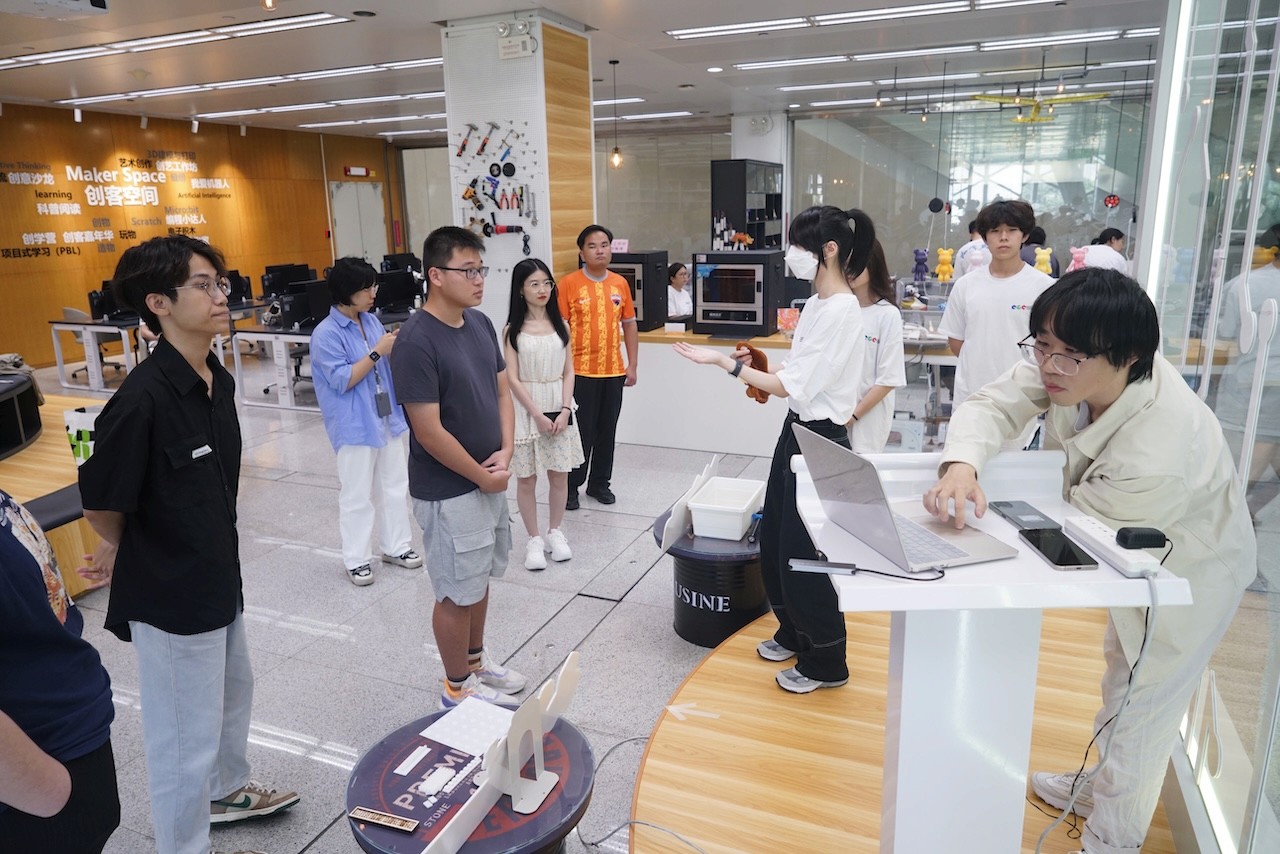
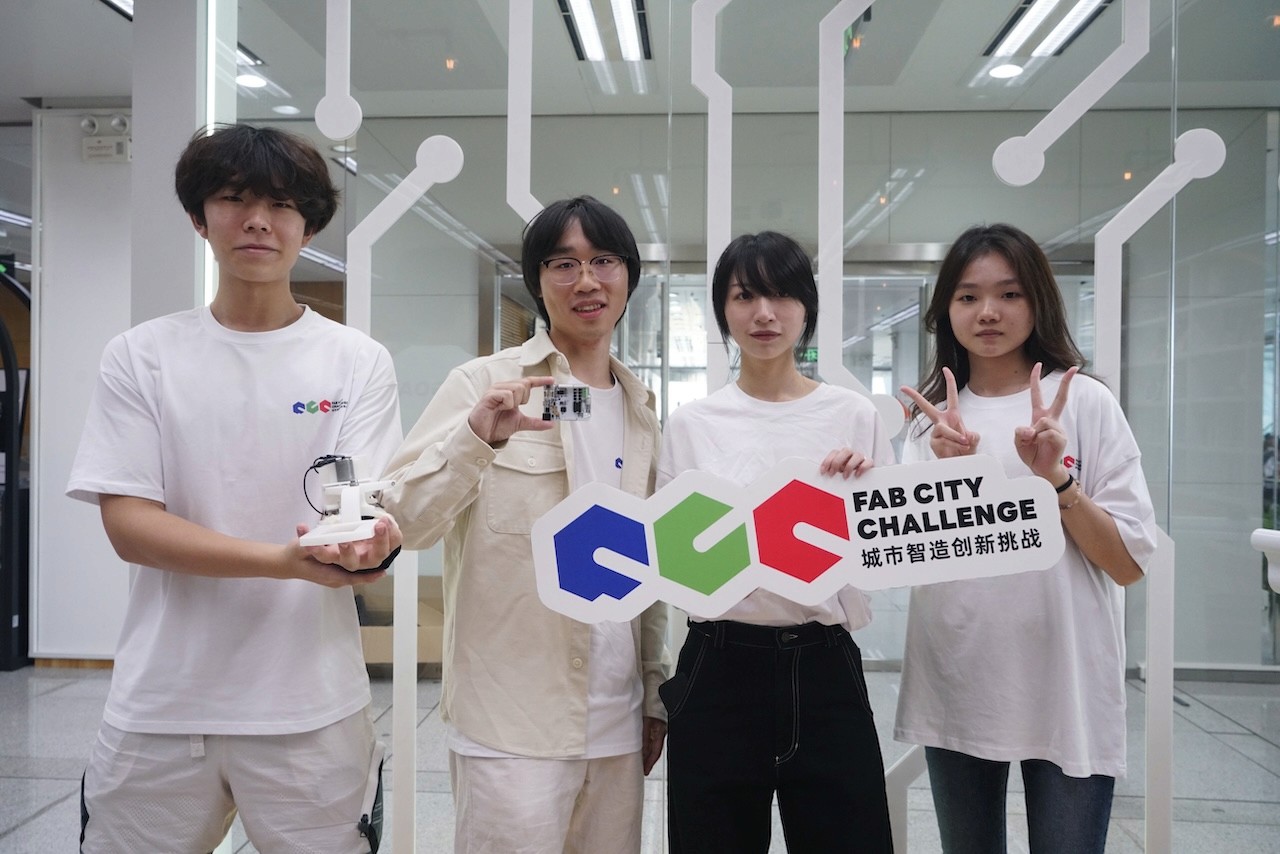
Another transformative experience was our participation in the Fab City Challenge in Shenzhen, China, where I had the privilege of serving as a mentor alongside CRAFT^2 Director. This international competition challenged participants to develop innovative solutions for urban issues, and we focused on improving navigation for the visually impaired.
Research
As part of our research, we conducted interviews with visually impaired individuals to better understand their challenges. Through these conversations, we learned about an existing collaboration between Accessibility Research Association, Shenzhen and a map & navigation software company that aimed to enhance digital navigation tools. This insight led us to ask: What if we could extend this idea into a physical, wearable device?
Prototyping
Our team set out to build the Tangible Compass, a wearable navigation aid designed to help visually impaired individuals navigate their environment more intuitively. Over the few ten days, I led prototyping workshops on 3D modeling, Arduino programming, and prototyping, equipping our team with the necessary skills to bring our concept to life.
Prize-Winning Solution
Through several iterations, we successfully developed the first prototype of the Tangible Compass, which we later showcased at the Shenzhen Library. Our project was recognized as the best solution of the competition, earning first place and receiving high praise from industry professionals. Seeing our work make a tangible impact on accessibility was deeply fulfilling, reinforcing my belief in technology’s ability to drive positive change.
Project #3
Annual Lab Meeting: Strengthening Our Community
Beyond technical projects, I have also prioritized cultivating a strong lab culture. Each year, we host an Annual Lab Meeting, which I had the honor of organizing last year.
This event is not only a reflection of our past achievements but also an opportunity to welcome new members, foster collaboration, and set goals for the future. The agenda included:
A retrospective on our major accomplishments over the past year
A peer recognition ceremony, where members awarded each other for their contributions
Group discussions to brainstorm new research ideas
A social gathering with dinner and outdoor activities to strengthen team bonds
Through this initiative, we created a supportive and motivating atmosphere, ensuring that every member—whether new or returning—felt valued and empowered to contribute.
© 2025 Lushan Wang Portfolio. All rights reserved.