
KidsTeam UW
Co-designing with children in-person and online to evaluate and design products
Participatory Design
June 29 2023 – current
Undergraduate researcher at KidsTeam UW. The research group is directed by Dr. Jason C. Yip and led by Dr. Caroline Pitt from UW Information School.
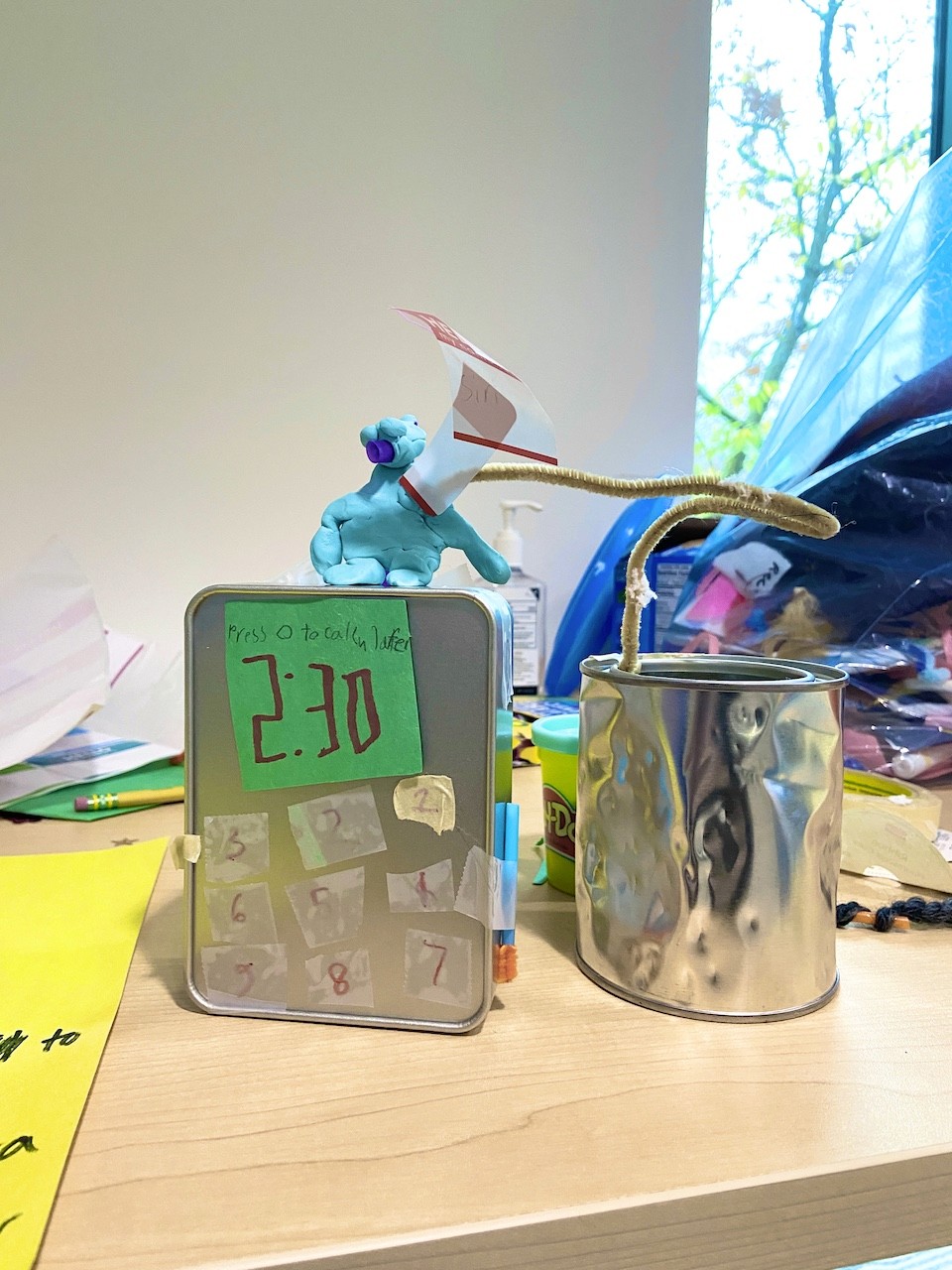
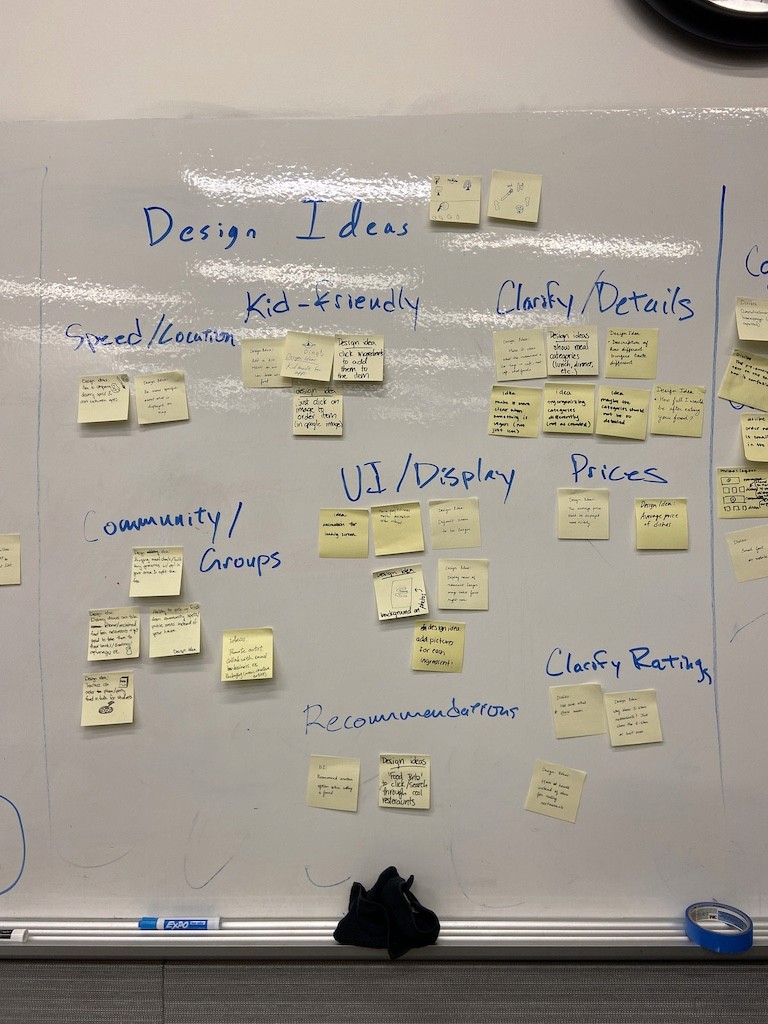
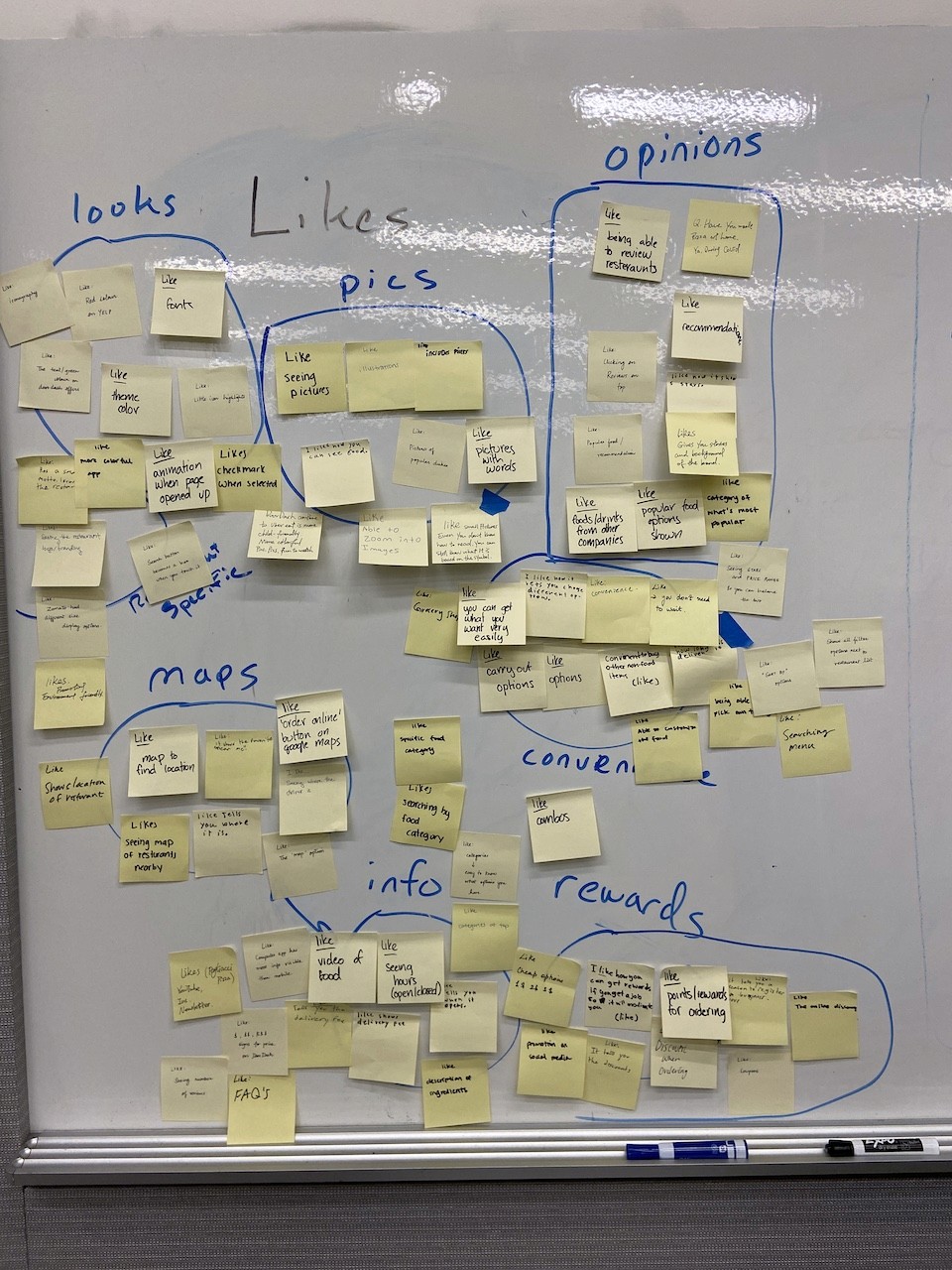
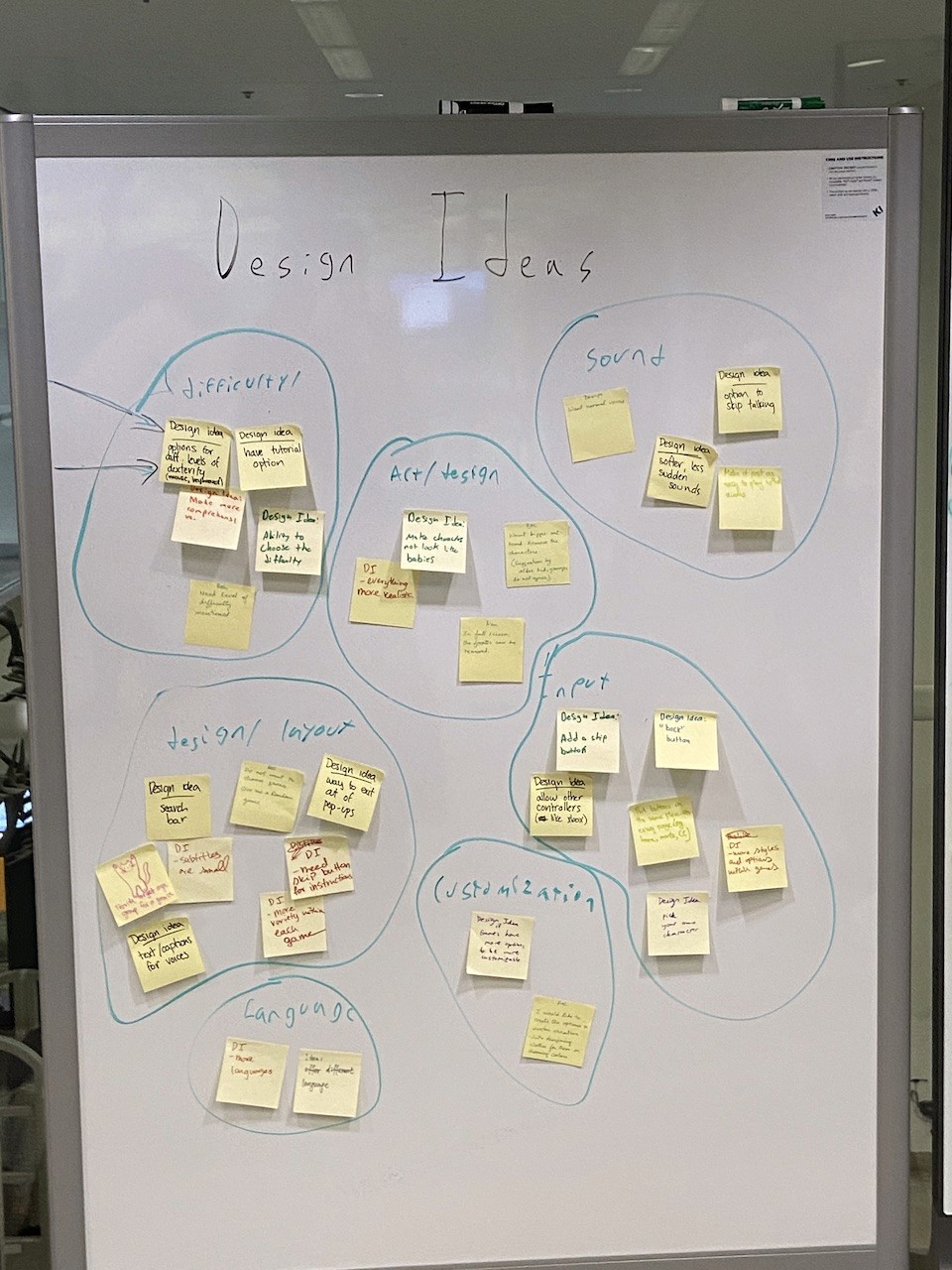
Design artifact from a "Like, Dislike, and Design Ideas" co-design session
My Role
Researcher
Take detailed session notes
Compile and report design photos and notes
Completed CITI training program for "Human Subjects Learners "
Design Partner
Co-design with children and other stakeholders
Facilitator
Facilitate running the sessions
Talk and play with children
Serve snacks to children
KidsTeam UW
The KidsTeam UW is a research team is directed by Dr. Jason C. Yip and led by Dr. Caroline Pitt from UW Information School, consisting of children 7–11 years old and researchers. (https://www.kidsteam.ischool.uw.edu/)
In KidsTeam, I have been participating in co-design sessions with children to understand their interpretation and perspectives of technologies and systems. And I wanted to showcase some artifacts from some of the co-design sessions that I've facilitated.
My participation in the KidTeam co-design sessions
Collaborating with Children and
Amazon UX Designers
How Might We Use Voice Operated System to Motivate Children to Do Chores?
In one of our co-design sessions, two UX designers from Amazon came with a question of how might we improve voice operated system such as Alexa to help children do chores? Therefore, the research team did two activities in small groups: brainstorming children's likes and dislikes about doing chores and acting a skit that reflects how might Alexa help children to do chores more easily
In my group, we had two children, one UX designer, and two student researchers including me. I was in charge of observing children's interactions and taking session notes.
Chores that Children Like and Dislike
We asked and guided children to write or draw about their likes and dislikes about the doing chores. And then we asked them how would Alexa help or motivate them to do chores.
The Skit
The scenario that my group worked with was to clean up the children's room, specifically, to put random stuff on the floor into a container. Our skit is centered around the idea of gaining scores for throwing trash/putting stuff into a container like a basketball game.
Our group decided to put four chairs together to act as the container. Papers, pens, and jackets act as the random stuff on the floor that needs to be organized. One adult acted as the voice assistant to play music before having children to clean up the room, prompt children to organize the stuff, and count the number of things that's being put into the container.
By installing some kind of camera near the container, a scoring system keeps track of what children have done in a day, and a score will be given to represent the number of stuff they've thrown into the container.
I think competition is something that might be interesting to be introduced to the implementation of the voice assistant system. Children in our team had fun talking and interacting with each other while doing the chore (throwing trash).
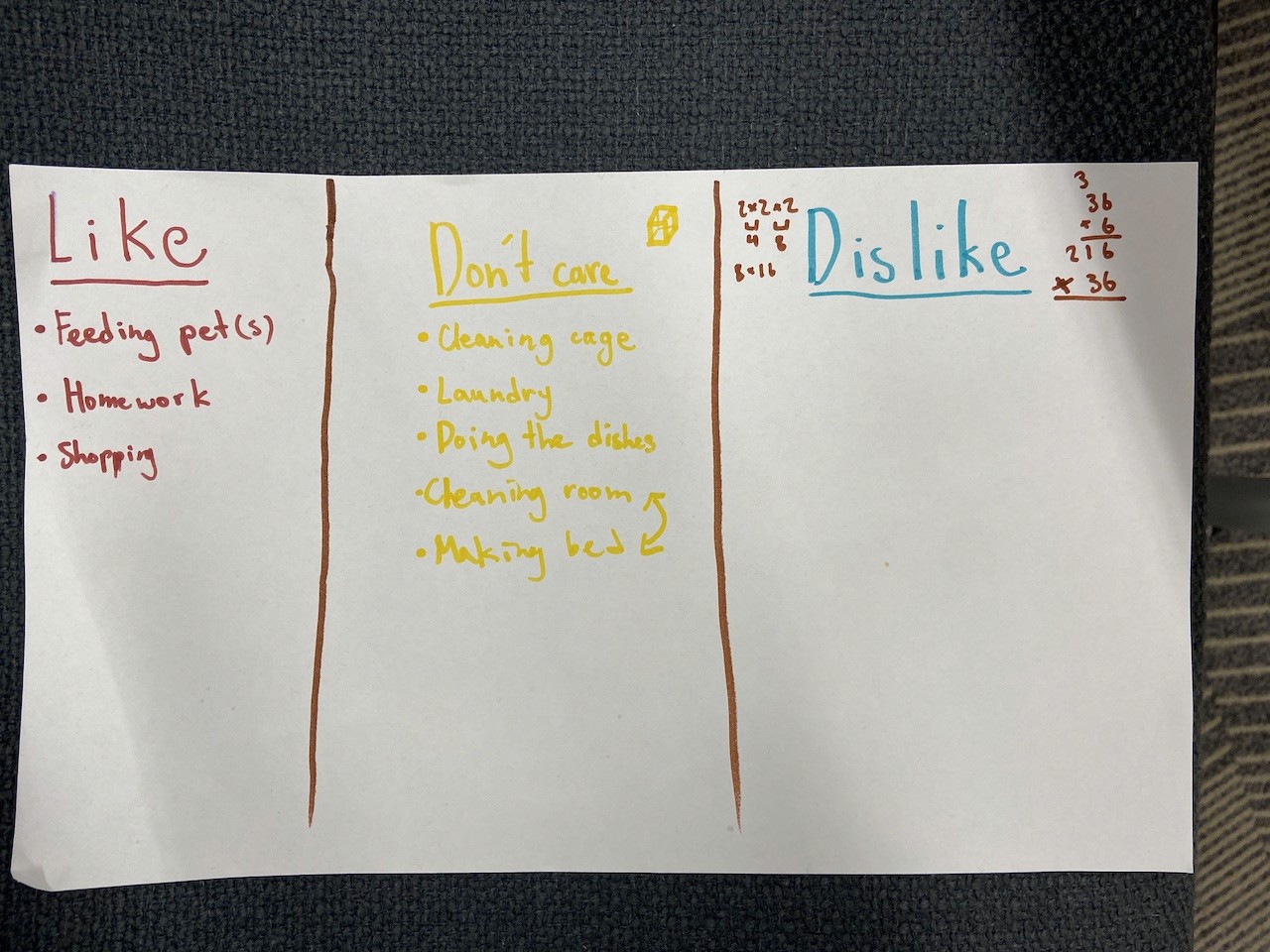
Like and don't care about most chores.
There isn't any chore that they don't like.
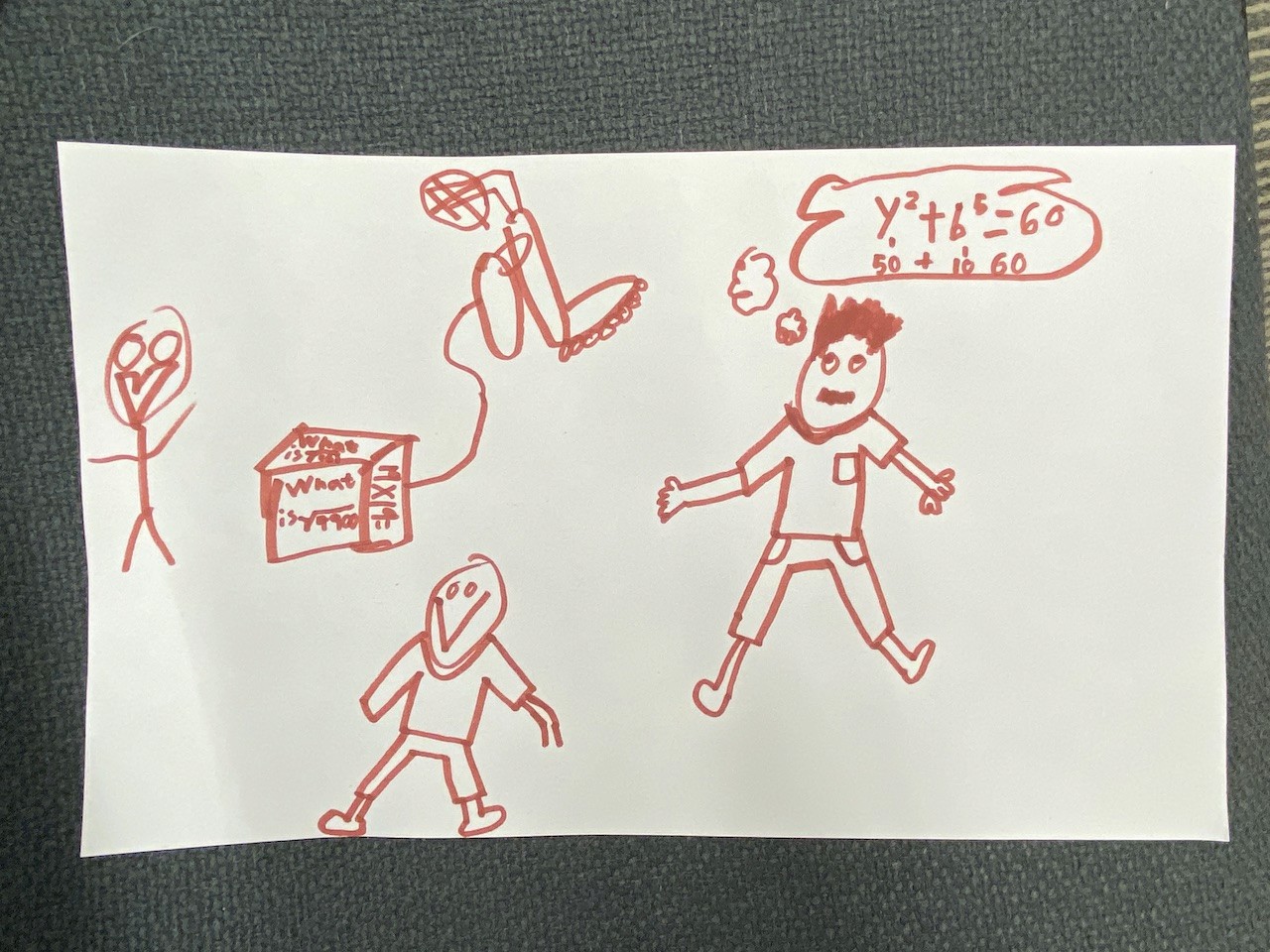
Visual representation of a chore-helping machine
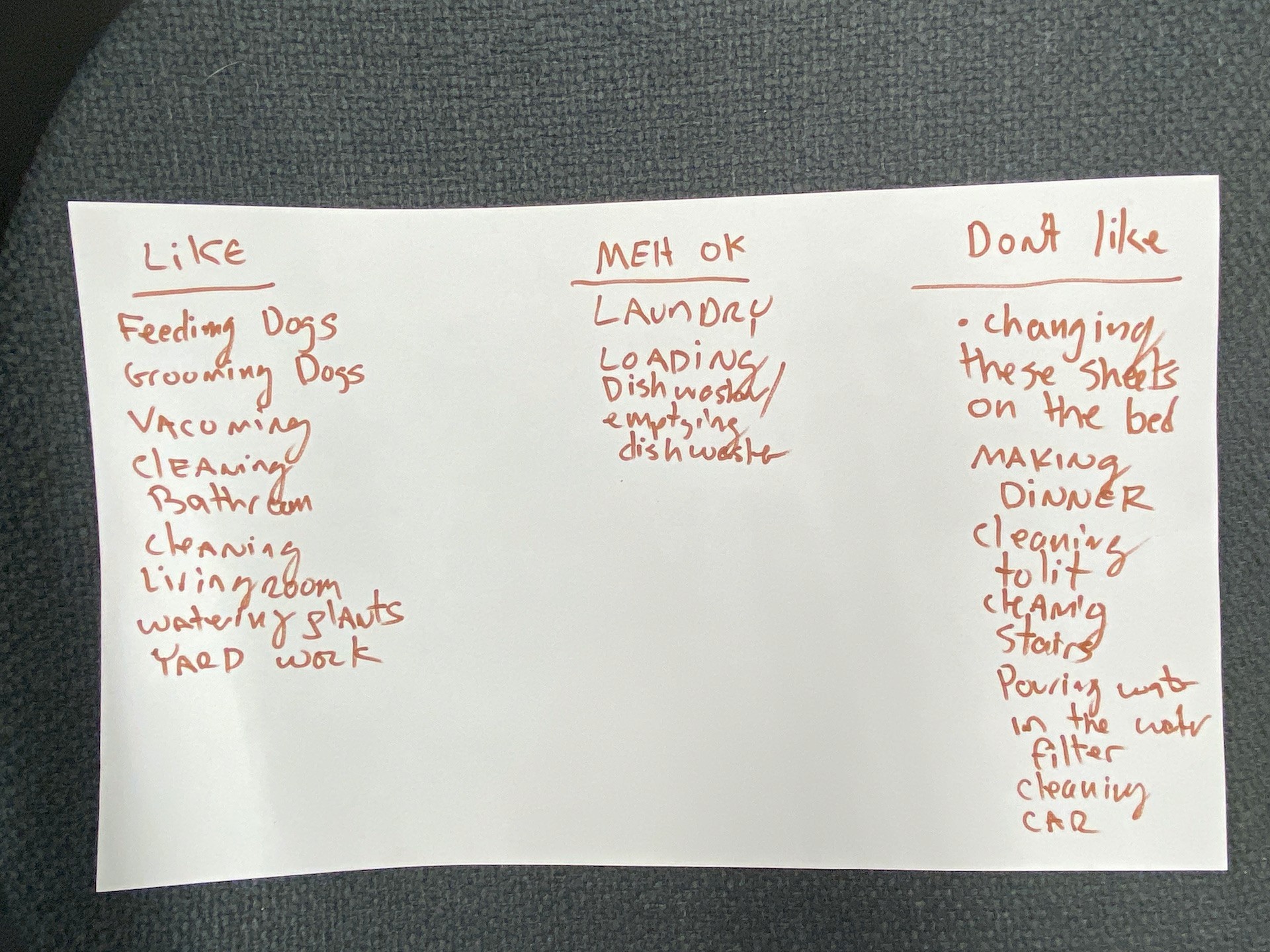
List of likes, dislikes, and okay chores
Collaborating with Children and
PBS Kids Team Hamster
Design Session
In this co-design session, we explored likes, dislikes, and design ideas with children and people from the PBS KIDS Team Hamster. We invited children to play an engineering education game called "Roll to the Rescue" (https://pbskids.org/ruff/games/roll-to-the-rescue).
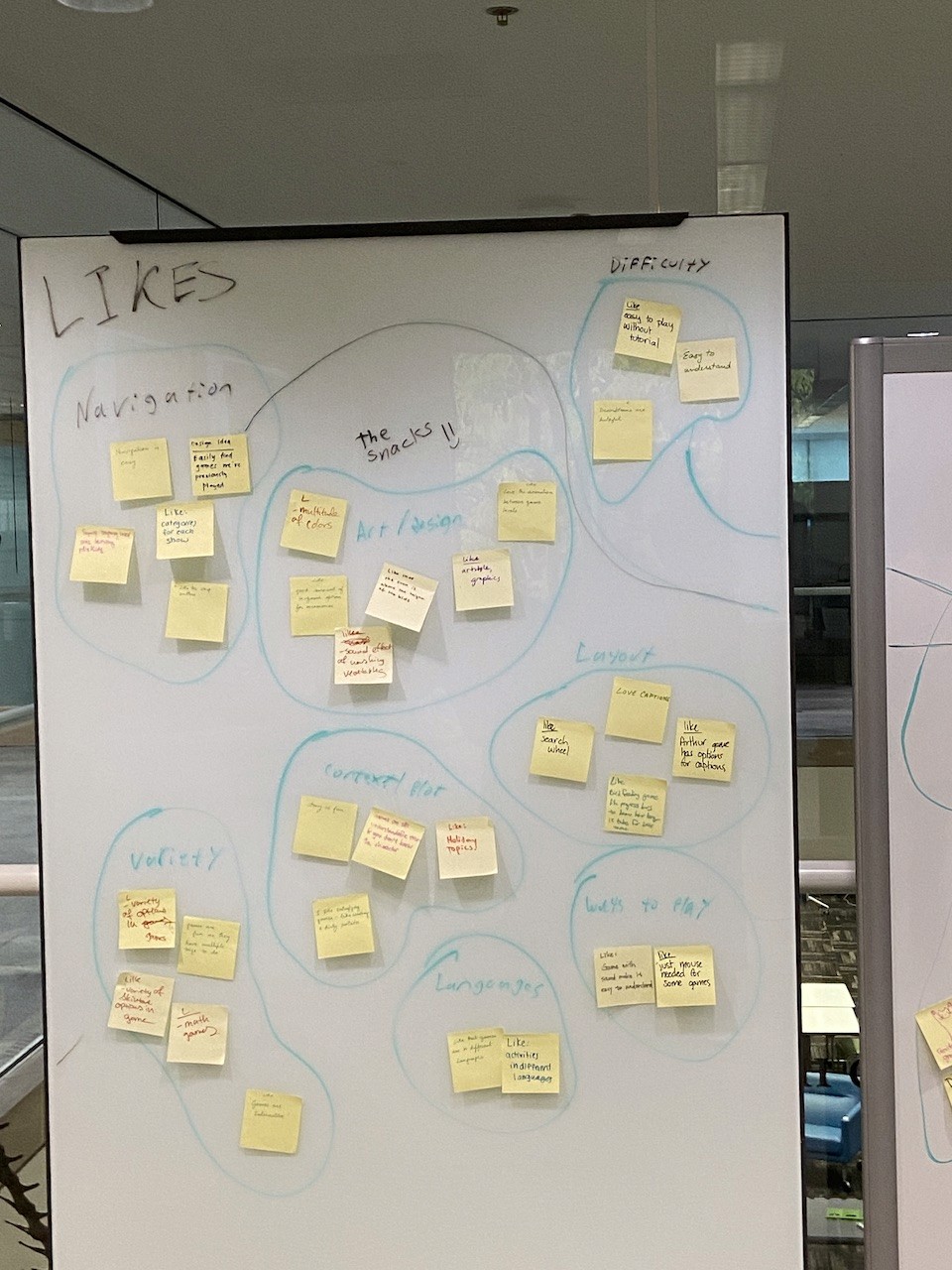
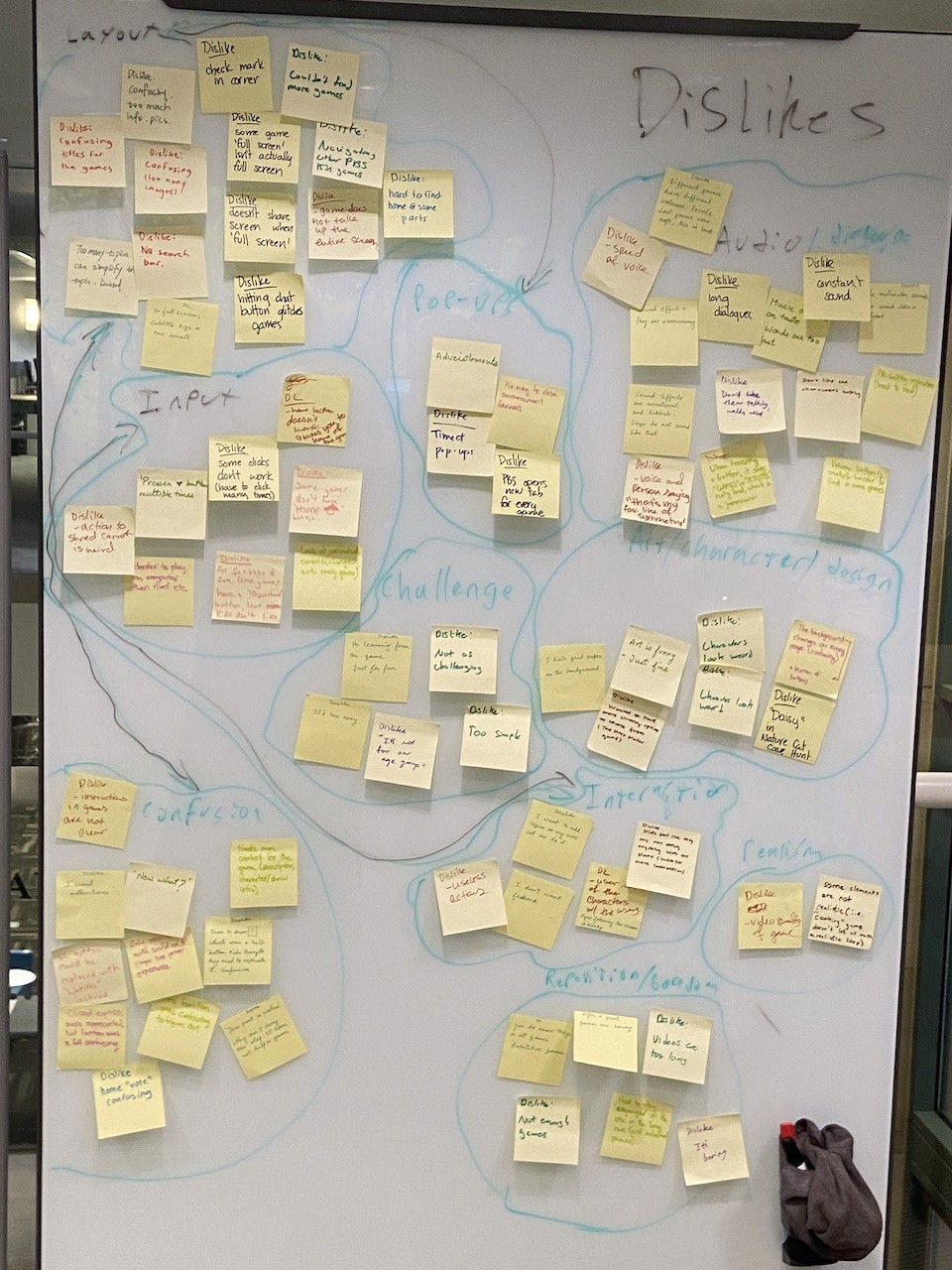
The research group was divided into small groups, and as one fo the researchers in our group, I prompted children to think and talk about what they liked or disliked about the game. After the children explaining the rationale of why they like or don't like certain features, I wrote down the details on sticky notes. In our small group, I found that children liked the music and art of this game, and they also liked that the game allows them to customize their own level of difficulty. They wish that the game allows them to play together with friends and has more flexibility for the level creation function.
Below is an affinity map collaboratively created by the whole research group.
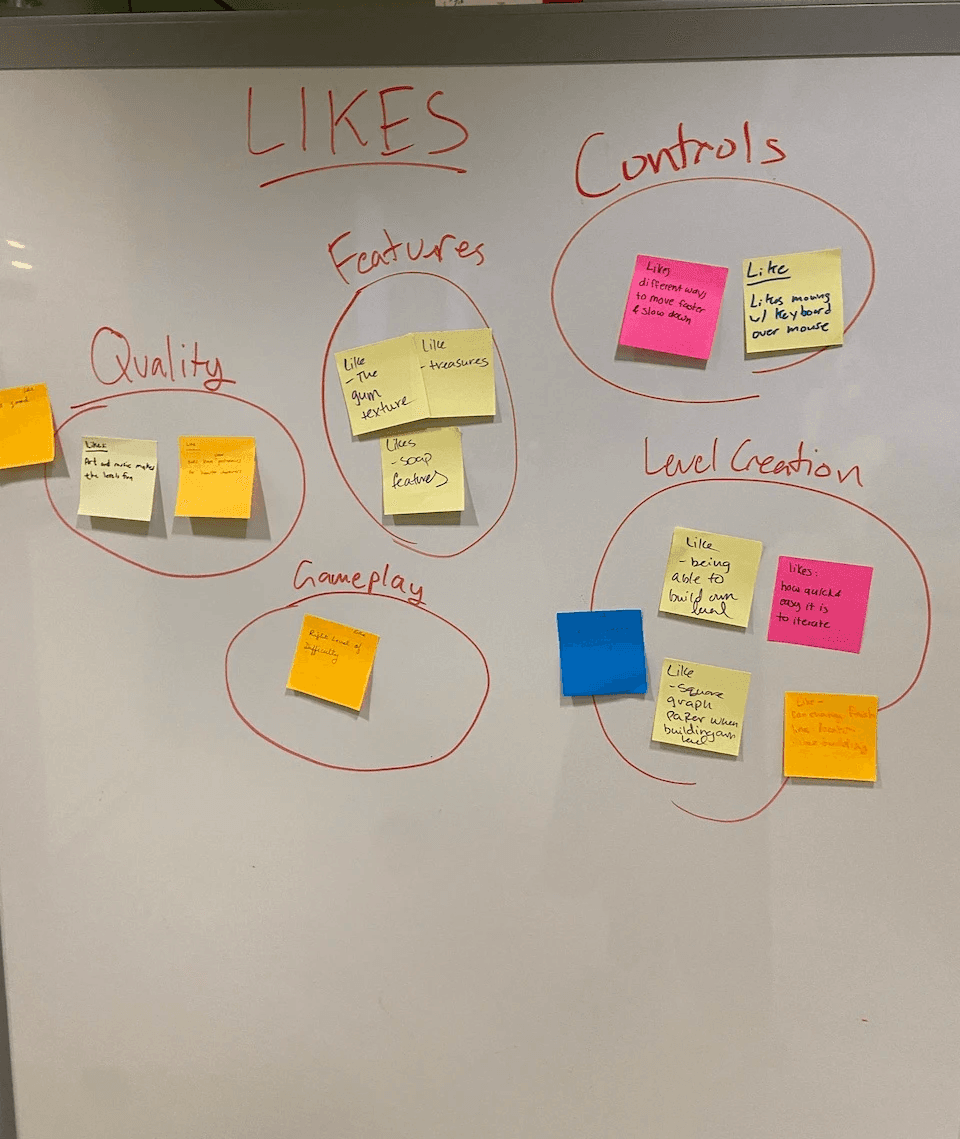
Likes
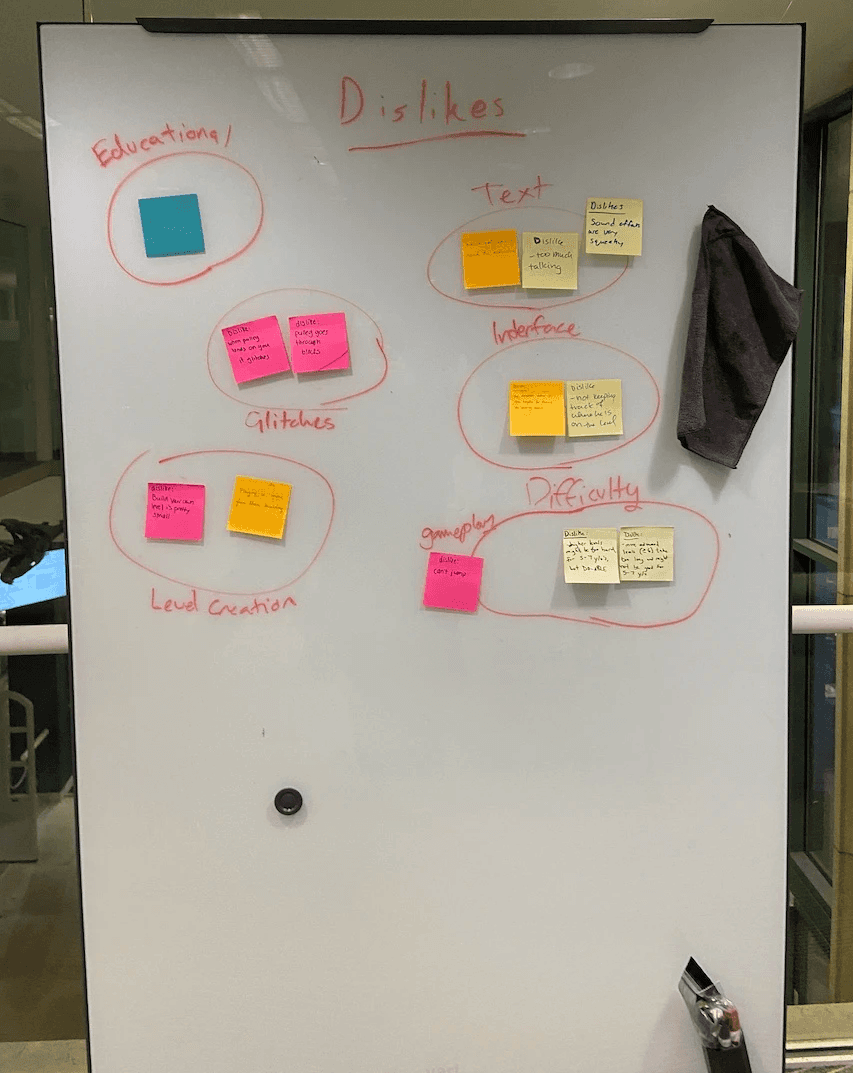
Dislikes
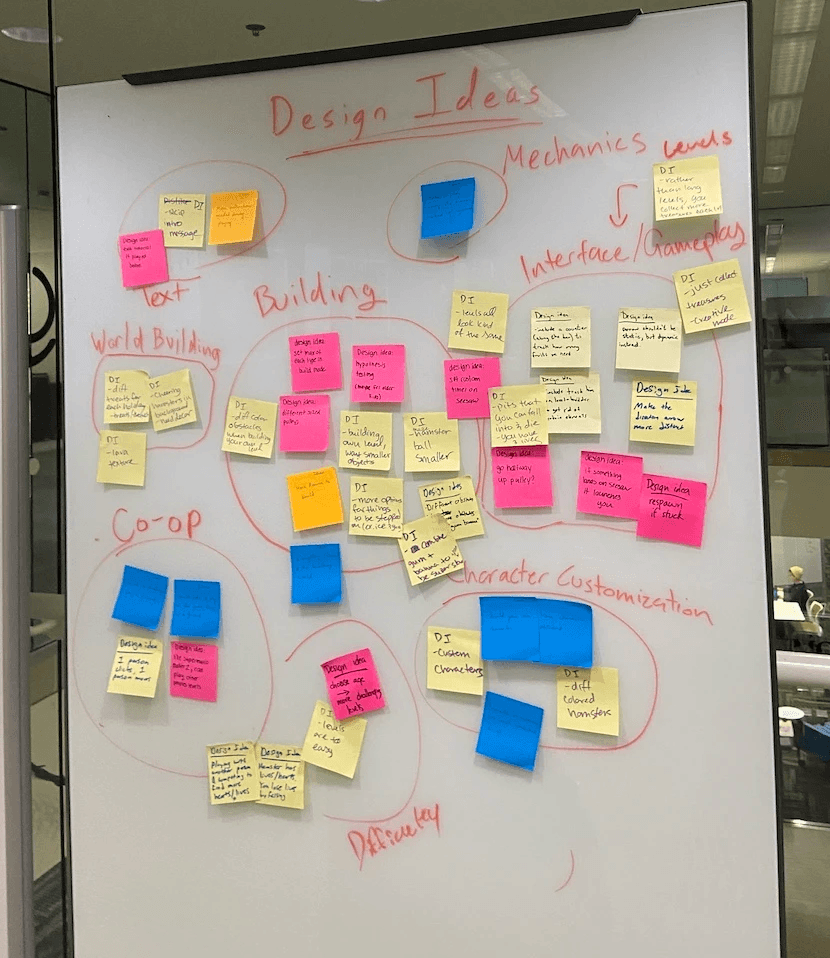
Design Ideas
Habits And Executive Function TOols
"Bags of Stuff" Design Method
We wanted to investigate how might we design technologies to help children with practicing their executive function. Executive function is basically one's ability to stay focused and pay attention to doing something, and this this co-design session, we wanted to learn what tasks that children wish they could complete, and how can we build technologies that address those needs.
"Bags of Stuff" was the design method we used. How it works is that we gave children a big bag of stuff with miscellaneous things – papers, metal boxes, pens, tapes.etc – and we use those to build physical design artifacts with children.
One of the children in my group would like to build a tool that helps them do math, so I facilitated their design by prompting them to think about what technologies would be useful to achieve that goal. We ended up with building a special calculator, with a man-like speaker sitting at the top of the tool.
In our envision, this tool allows children to…
1. Calculate math problems
2. Know the current time
3. Speak their problems to the calculator and get those solved
4. Manipulate the calculate to have it fl round the user
5. Charge the calculator
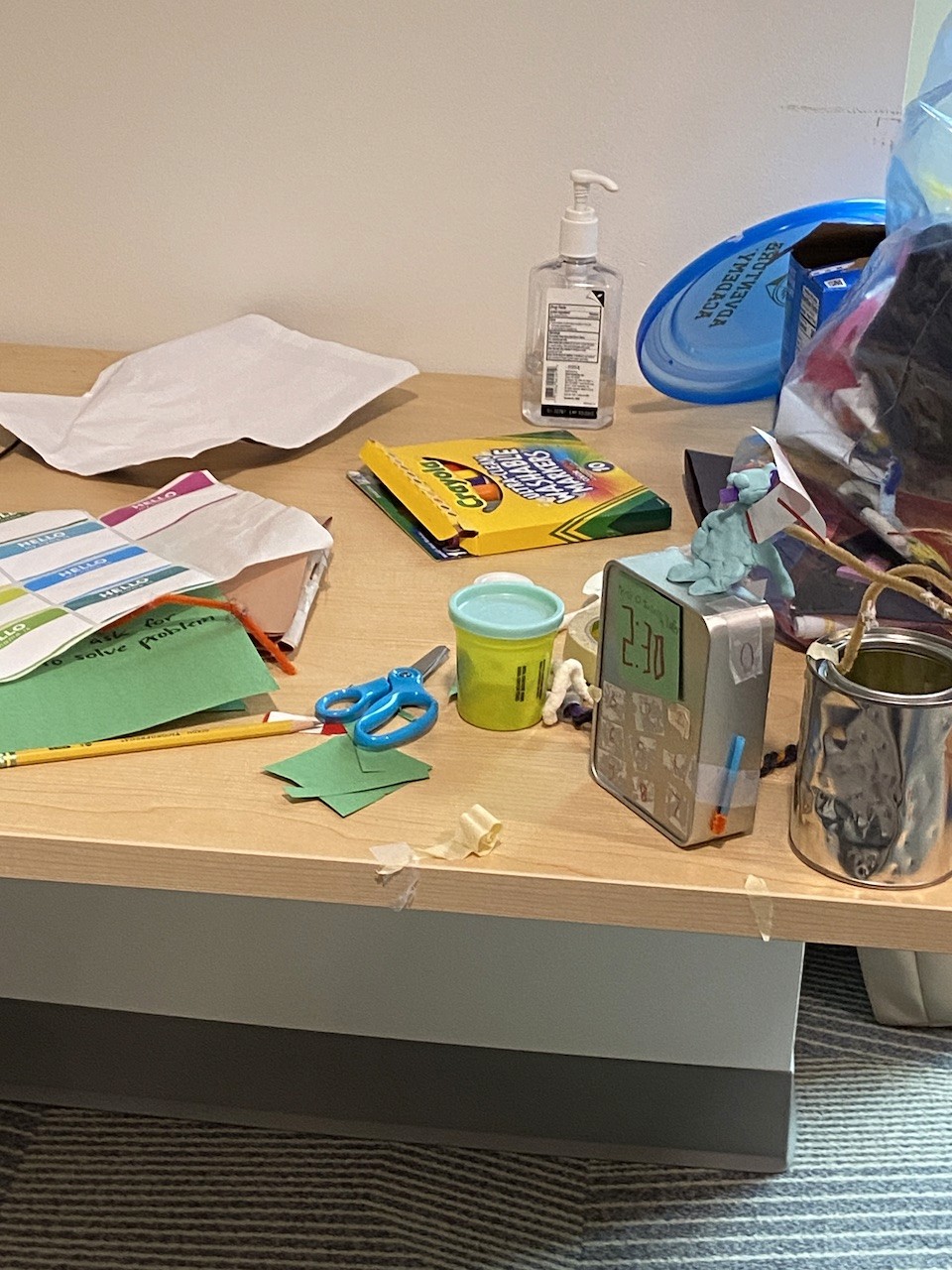
Materials we used for designing the special calculator
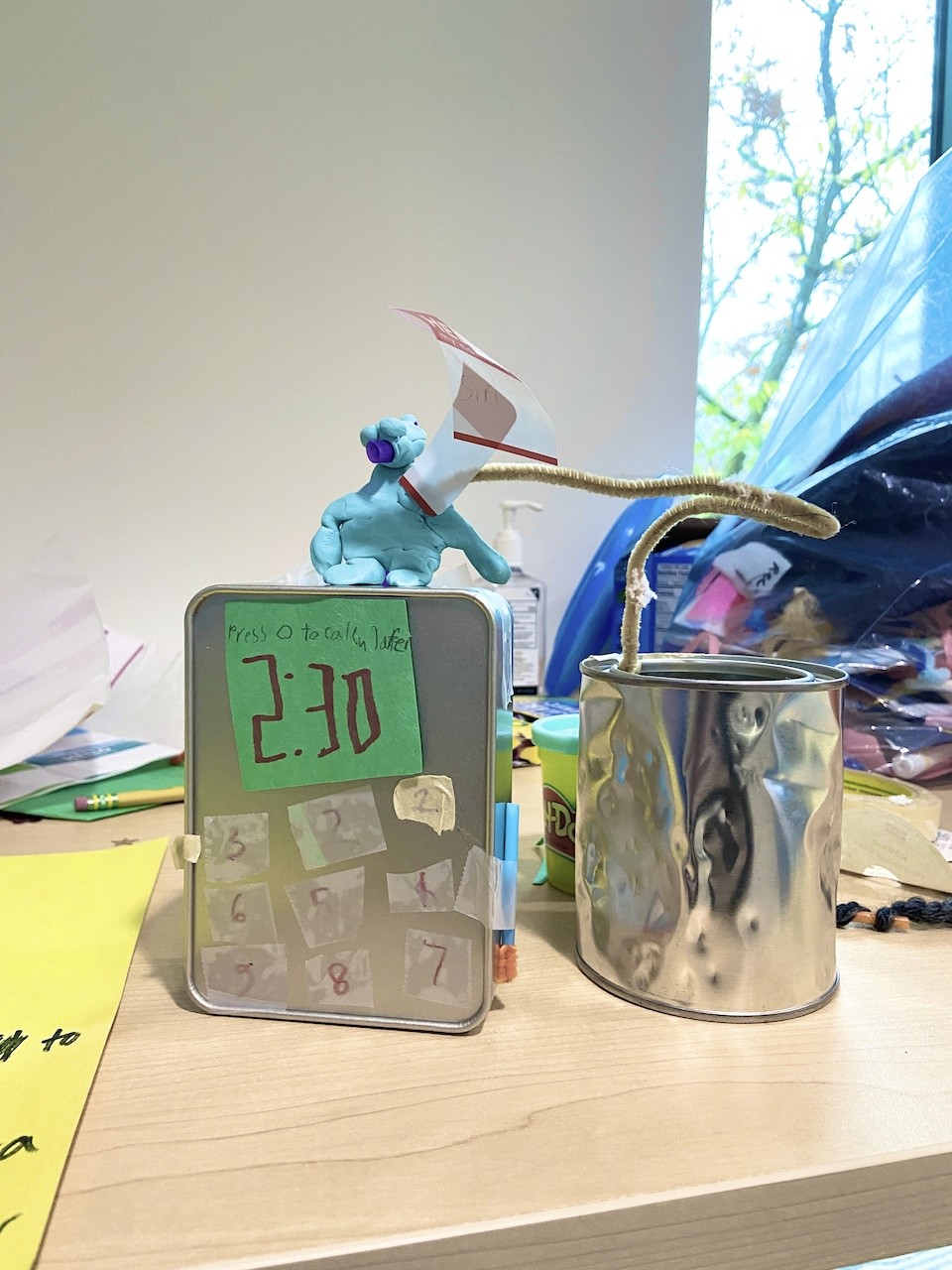
A special calculator for solving math problems
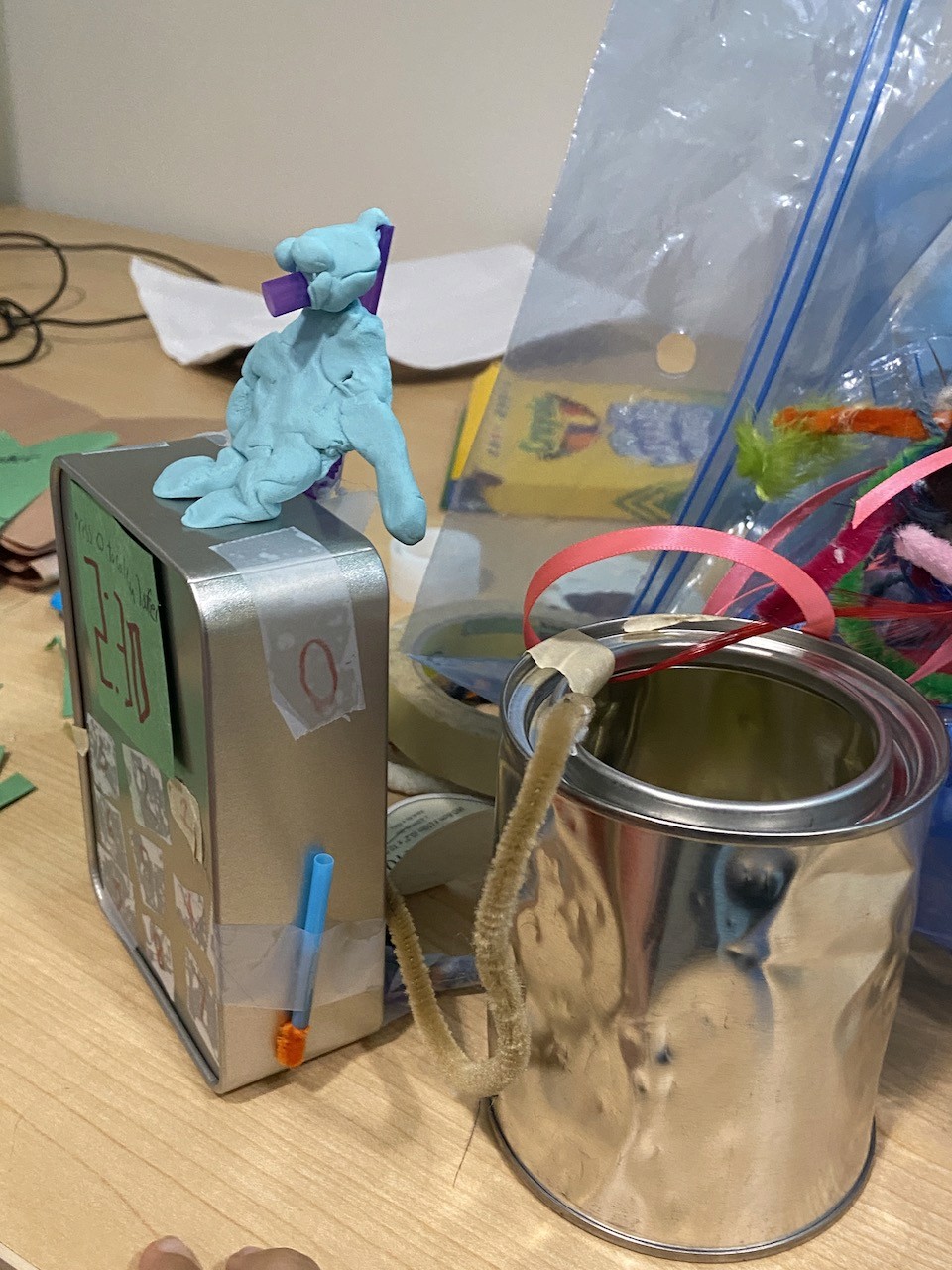
Details of the design from the side view
More Design Session Artifacts
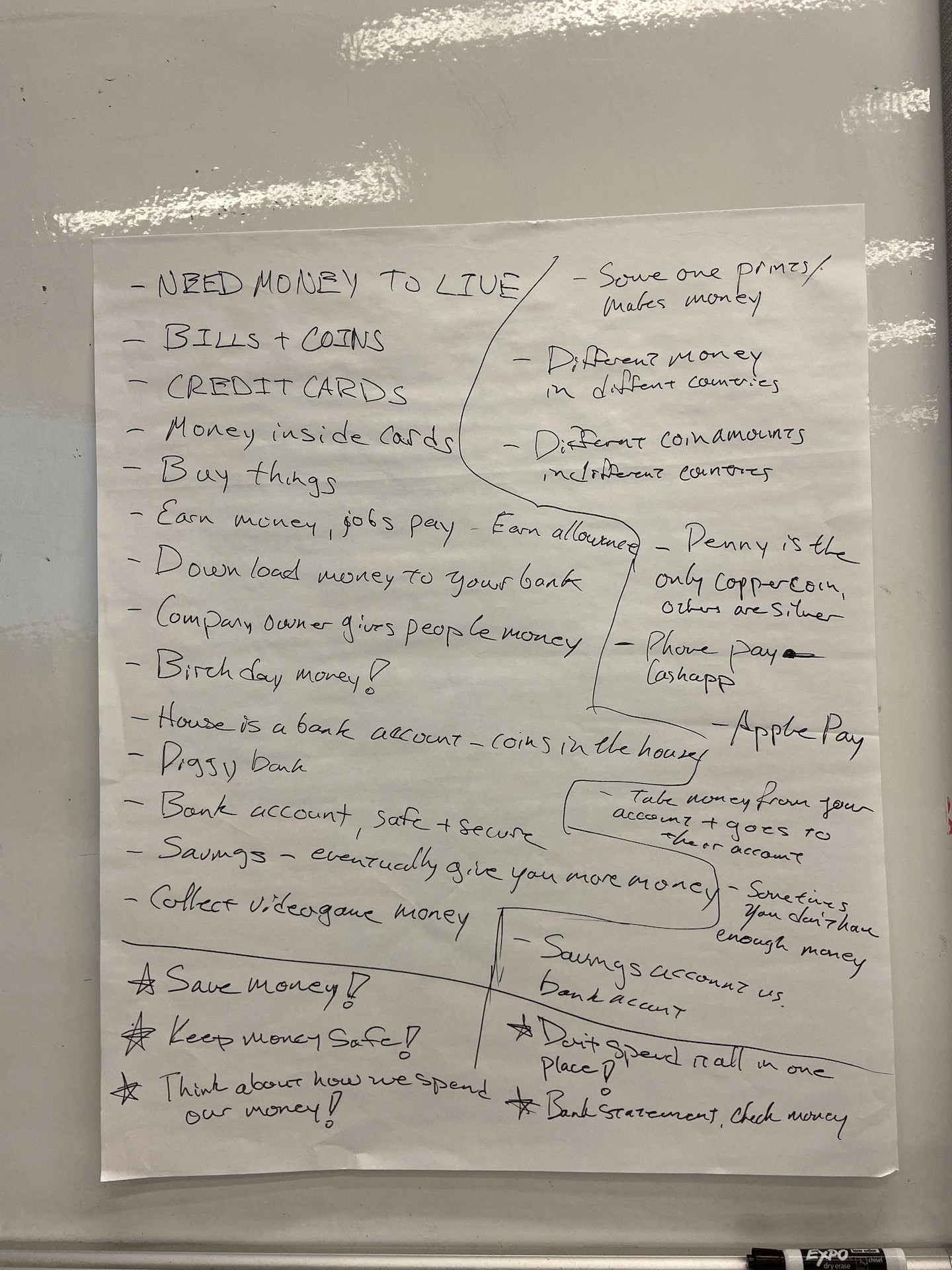
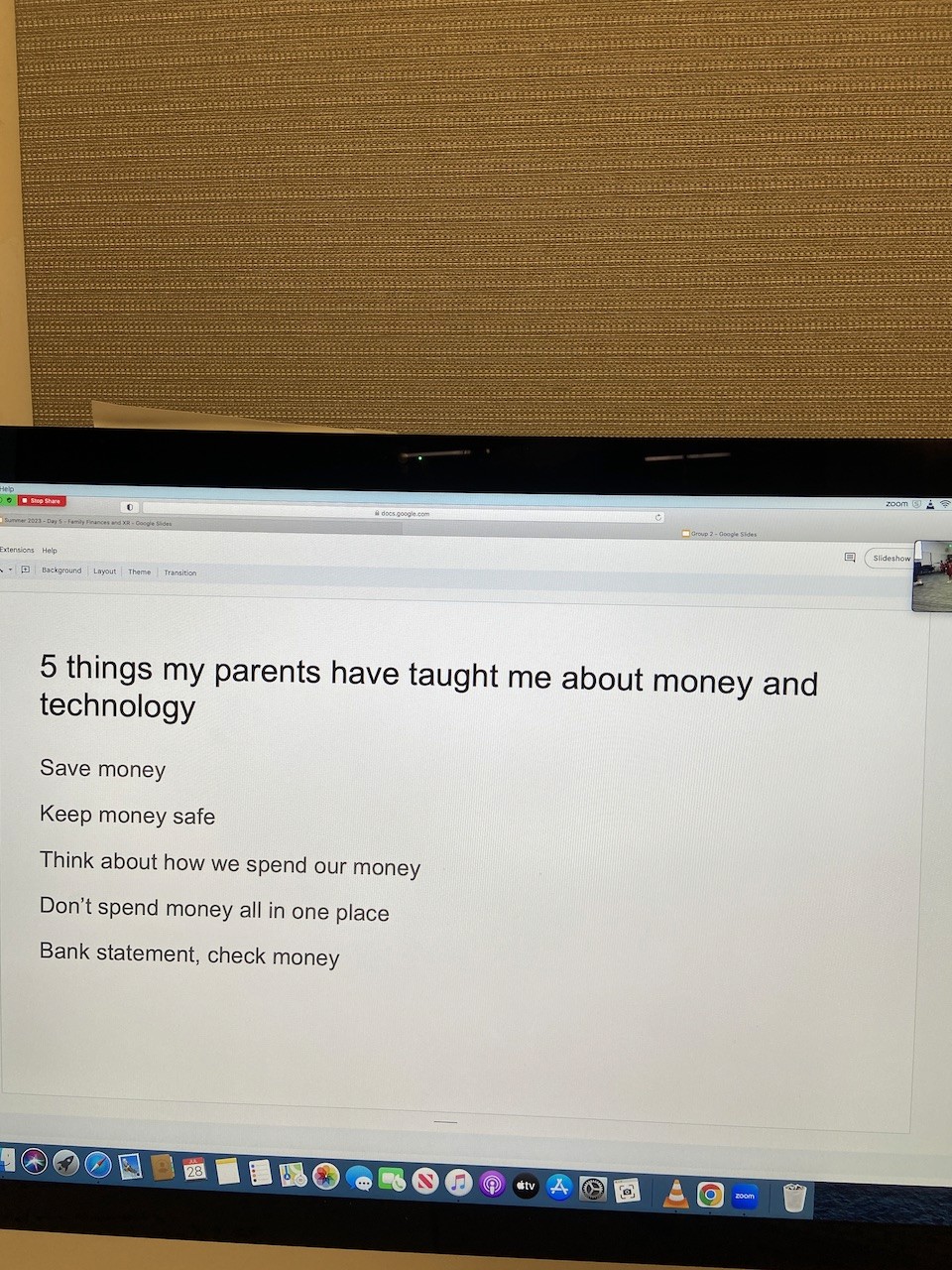
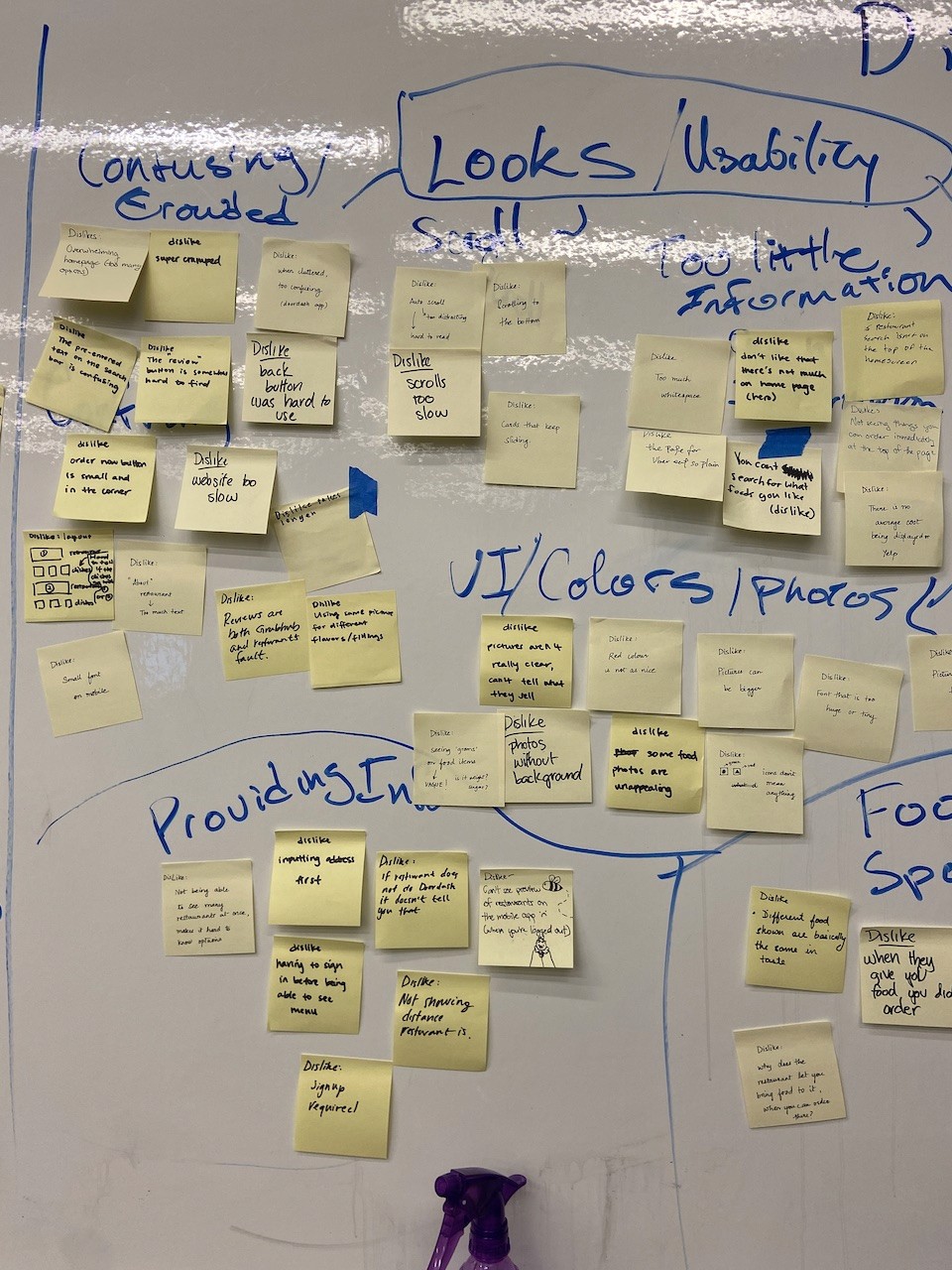
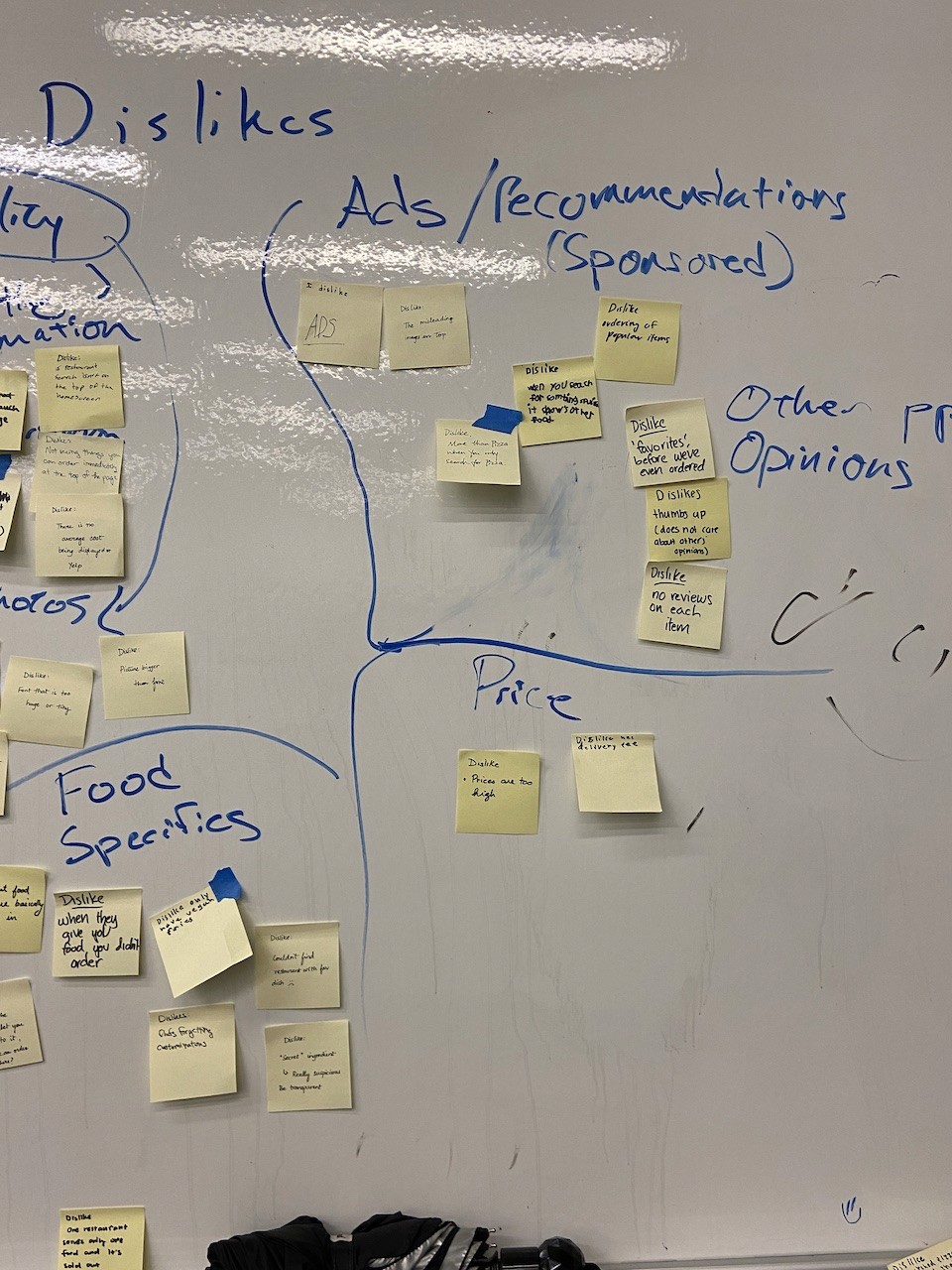
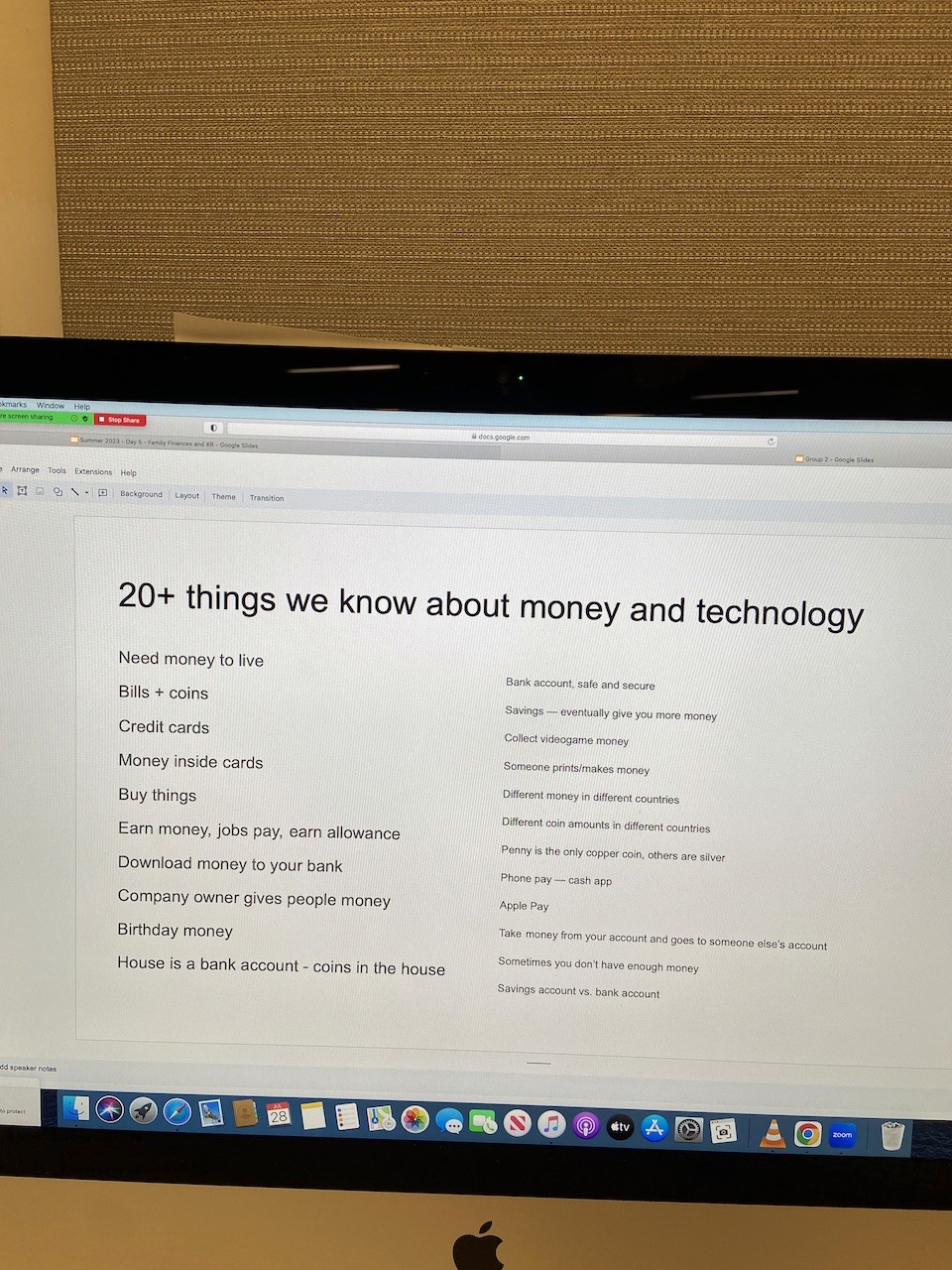
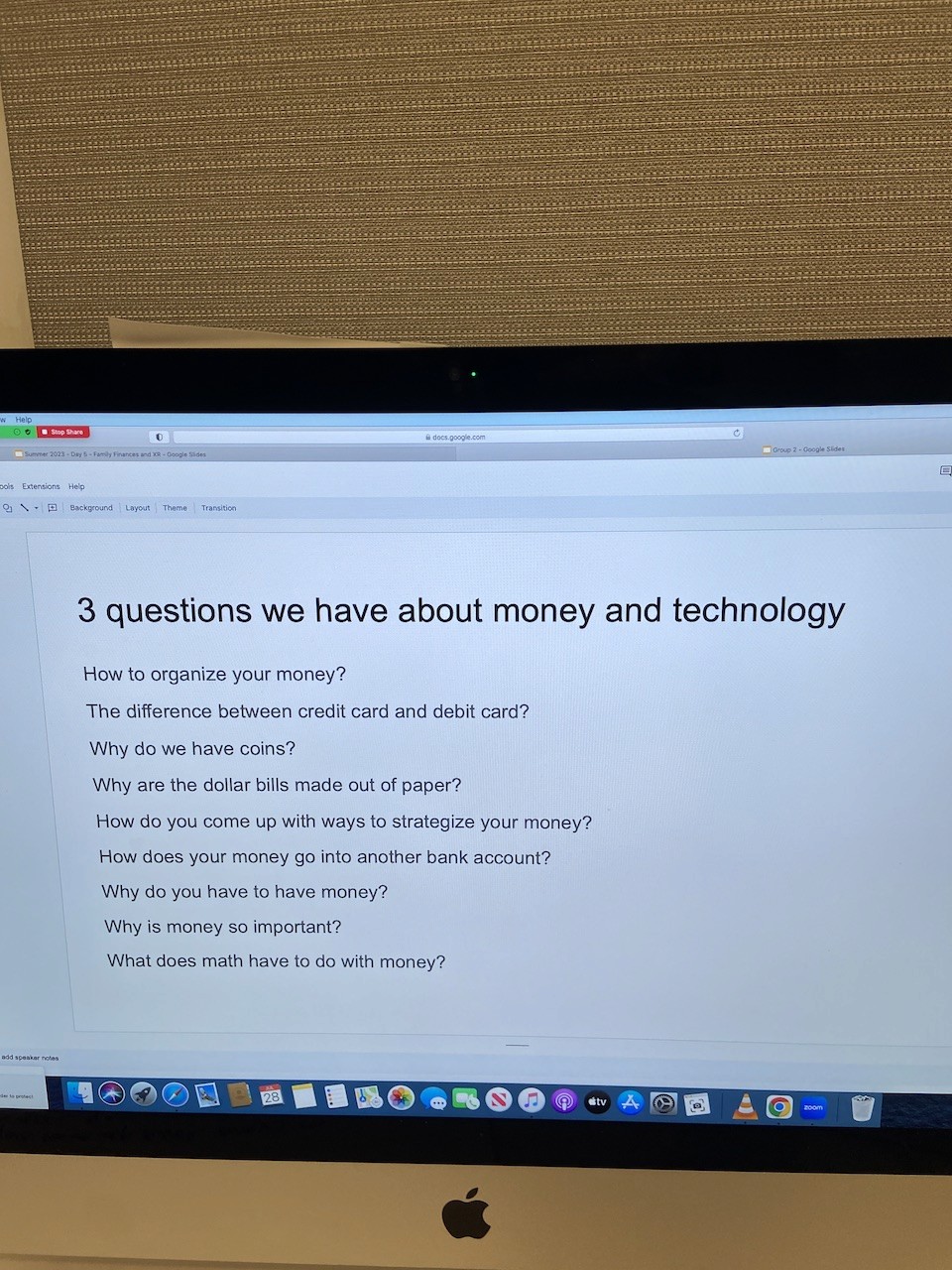
The selected sessions that I described above provide examples of what kind of topics we research in KidsTeam UW. The research group explores other topics such as brainstorming design ideas for food delivering apps for children, improving educational games, and understanding children's perception of finance and literacy.
© 2026 Lushan Wang. All rights reserved.