
HaptiCourt
A VR and Haptic Feedback Assisted System to Improve the Wheelchair Tennis Onboarding Experience
by Lushan Wang, Yanbing Ma, and Xiangbo Liu
August 2024 – December 2024 DESCI 501: Analytical Product Design
Instructor: Dr. Laura Murphy GSI: Yunyan Li
Introduction
Design Process Overview
Abled-body people usually play sports to keep them physically and socially active. Carrying on the same idea, adaptive sports is what allows people with disabilities to stretch their muscles and engage with the disability community. The team spent a semester diving deep into the world of adaptive sports, specifically wheelchair tennis, to understand the status quo and frustrations that people encounter when approaching this sport. After talking to wheelchair tennis athletes and observing online games from the International Tennis Federation, we identified a few pain points and started to prioritize the needs, ideate solutions, and pick a promising design solution to prototype. By the end of this semester, the team was able to iterate on a few rounds of prototypes with increasing fidelity and conduct usability testing for future development.
What is HaptiCourt?
HaptiCourt is a VR and haptic feedback assisted technology that allows users to practice tennis without stepping out of their house. What makes our product stand out among sports simulation products is that 1) It provides kinesthetic haptic feedback that simulates real-like force compared to other existing products that might use simple vibration as feedback. 2) It is designed specifically for those who have mobility issues. The goal of designing Hapticourt is to allow users to easily get onboard with playing wheelchair tennis without spending a lot of time finding appropriate resources.
Empathize
Observations
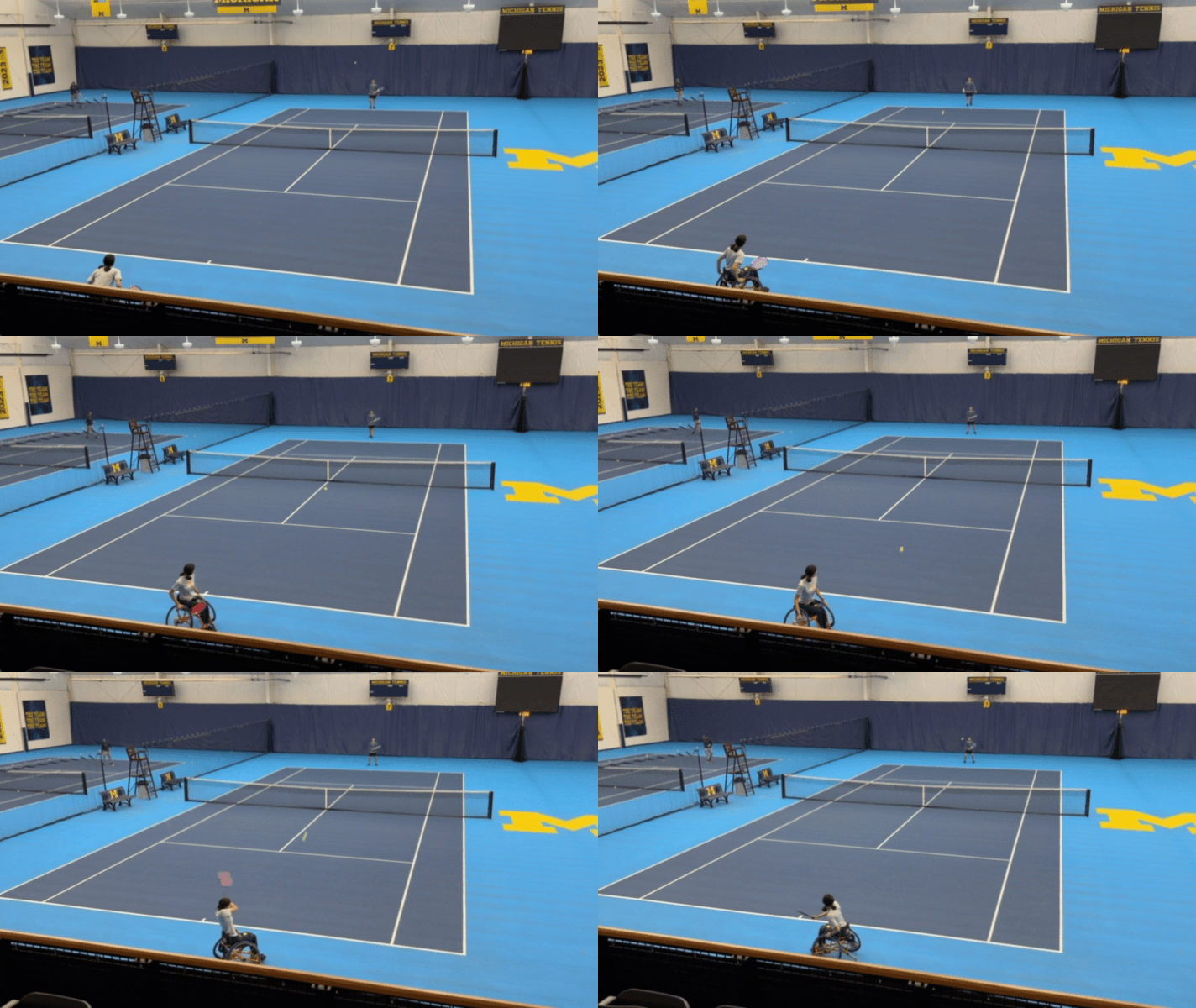
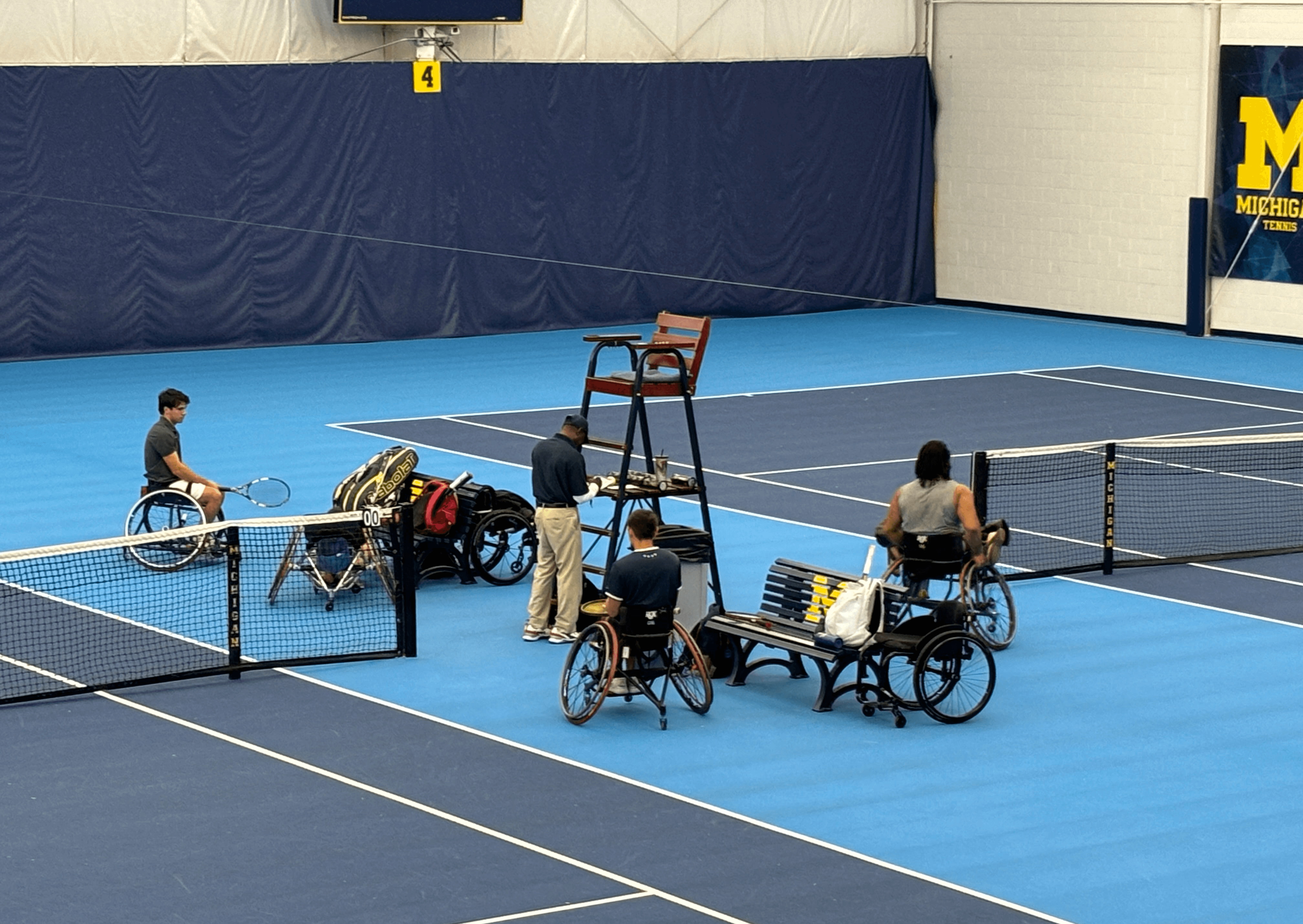
The team went to the 2024 Wolverine Open Tournament, a wheelchair tennis game hosted by the University of Michigan Adaptive Sports & Fitness, to observe and further understand the potential frustrations of participating in wheelchair tennis.
Affinity Mapping
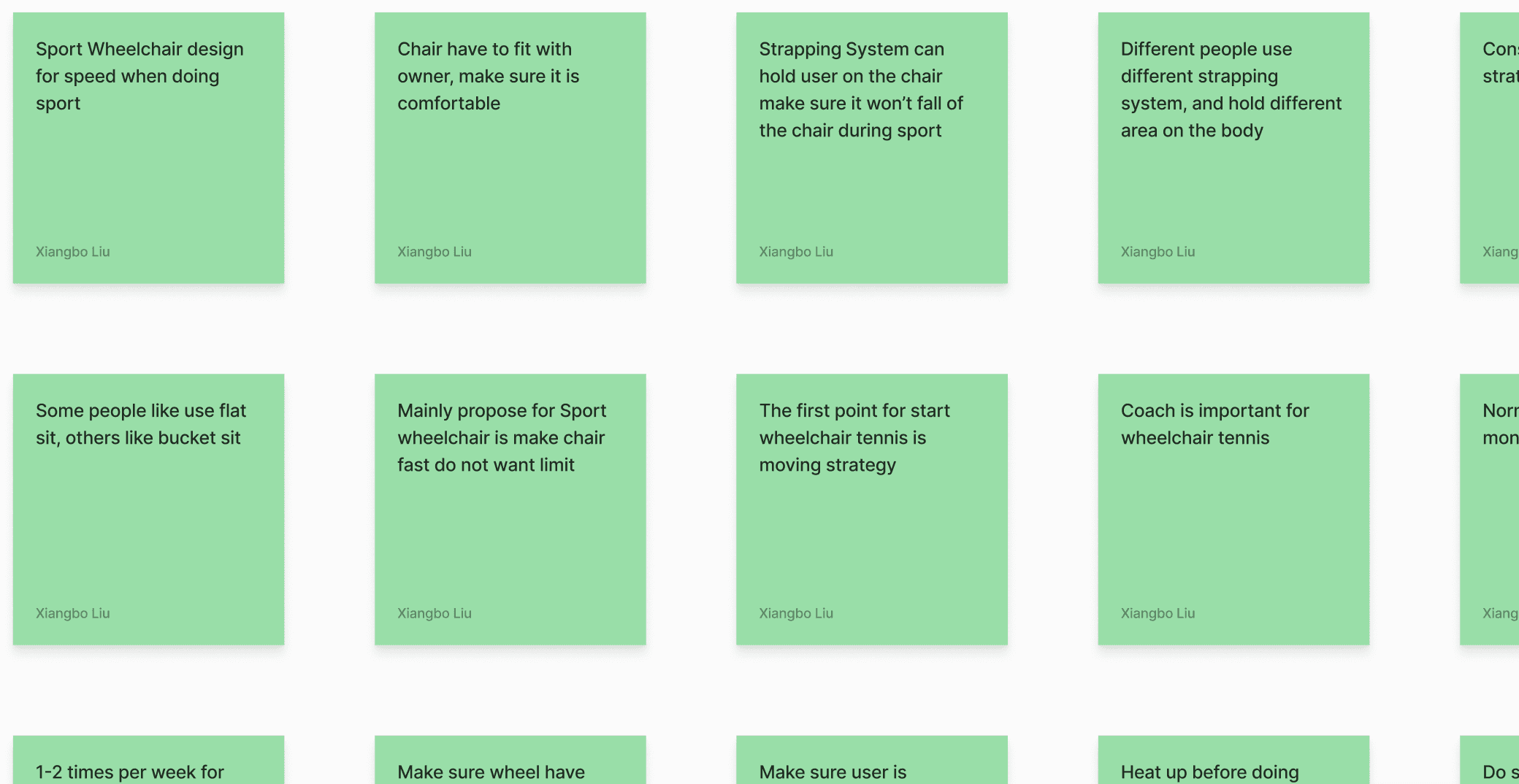
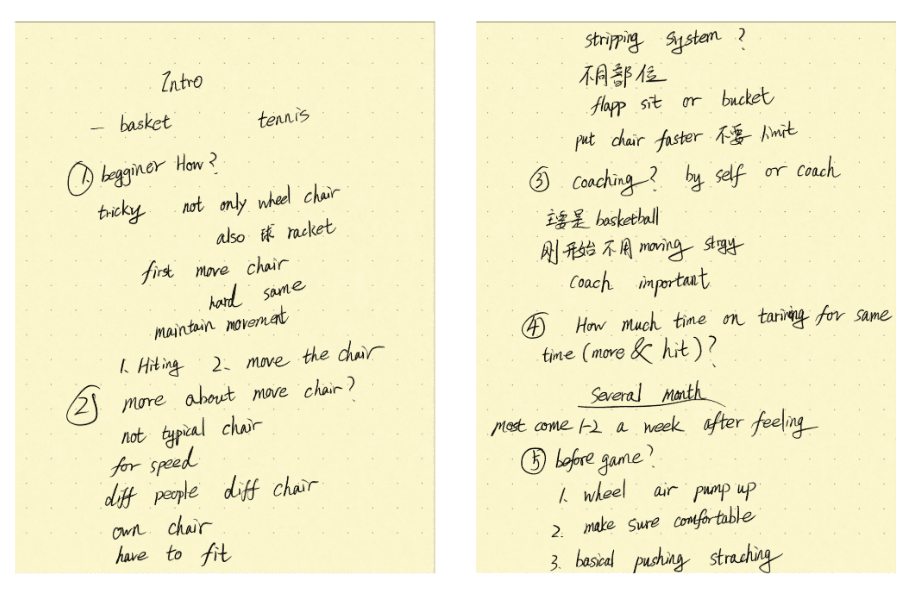
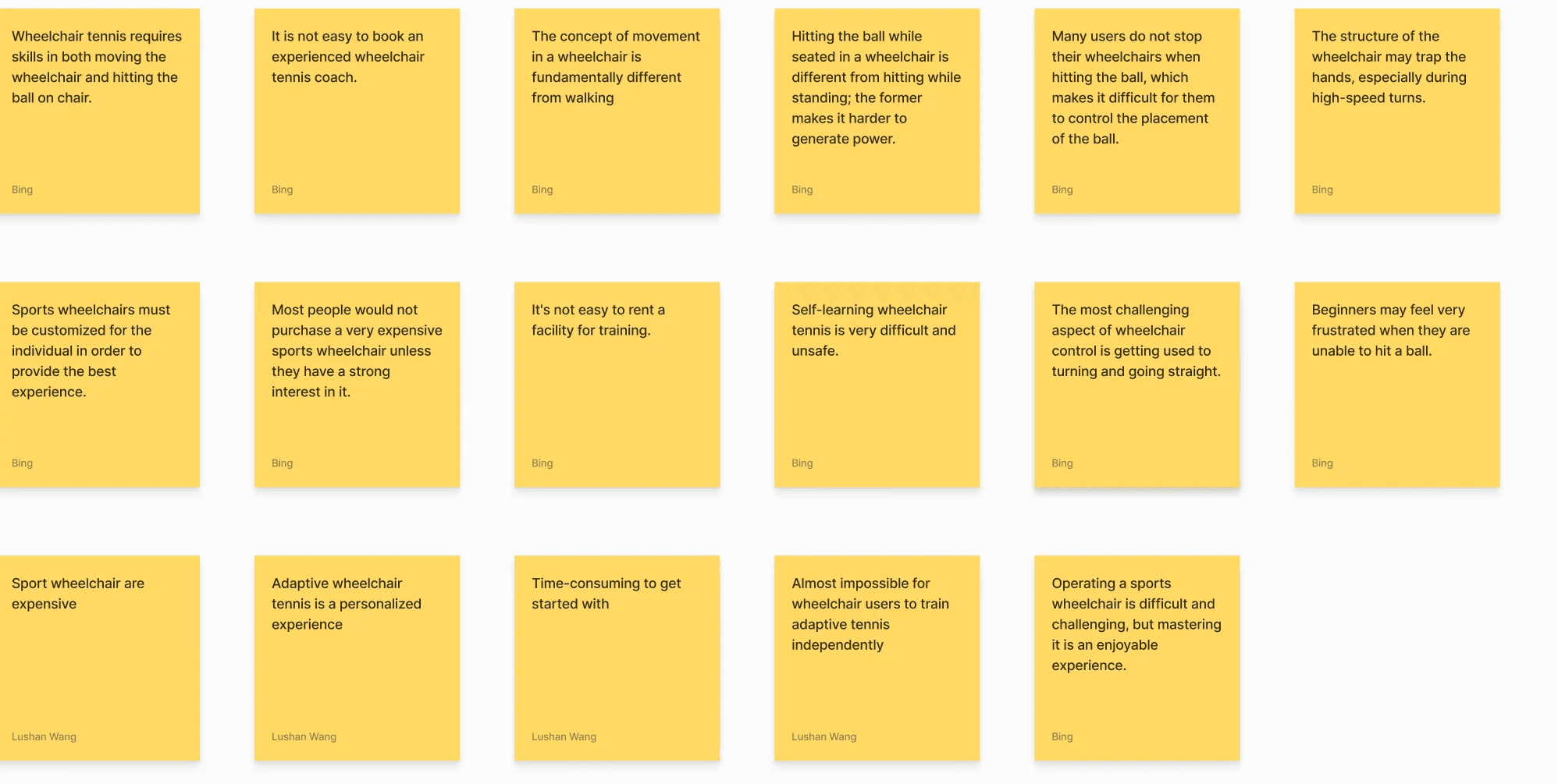
We used affinity mapping to draw repeated themes from interview. For example, challenges associated with wheelchair tennis and how would a typical beginner start with adaptive sports. Below are our insights and key takeaways.
Define
Design Problem
After synthesizing insights and takeaways from stakeholder engagement, we were motivated to address three main paint points,
1) the challenging of finding appropriate wheelchair tennis resources such as finding tennis courts and professional coaches,
2) the high sunk cost of trying wheelchair tennis, and
3) the long time it takes for wheelchair tennis training. Therefore, we proposed the following design problem,
How might we design a wheelchair tennis training system for adaptive sports beginners so that they have an easy and smooth onboarding experience?
Stakeholder Map
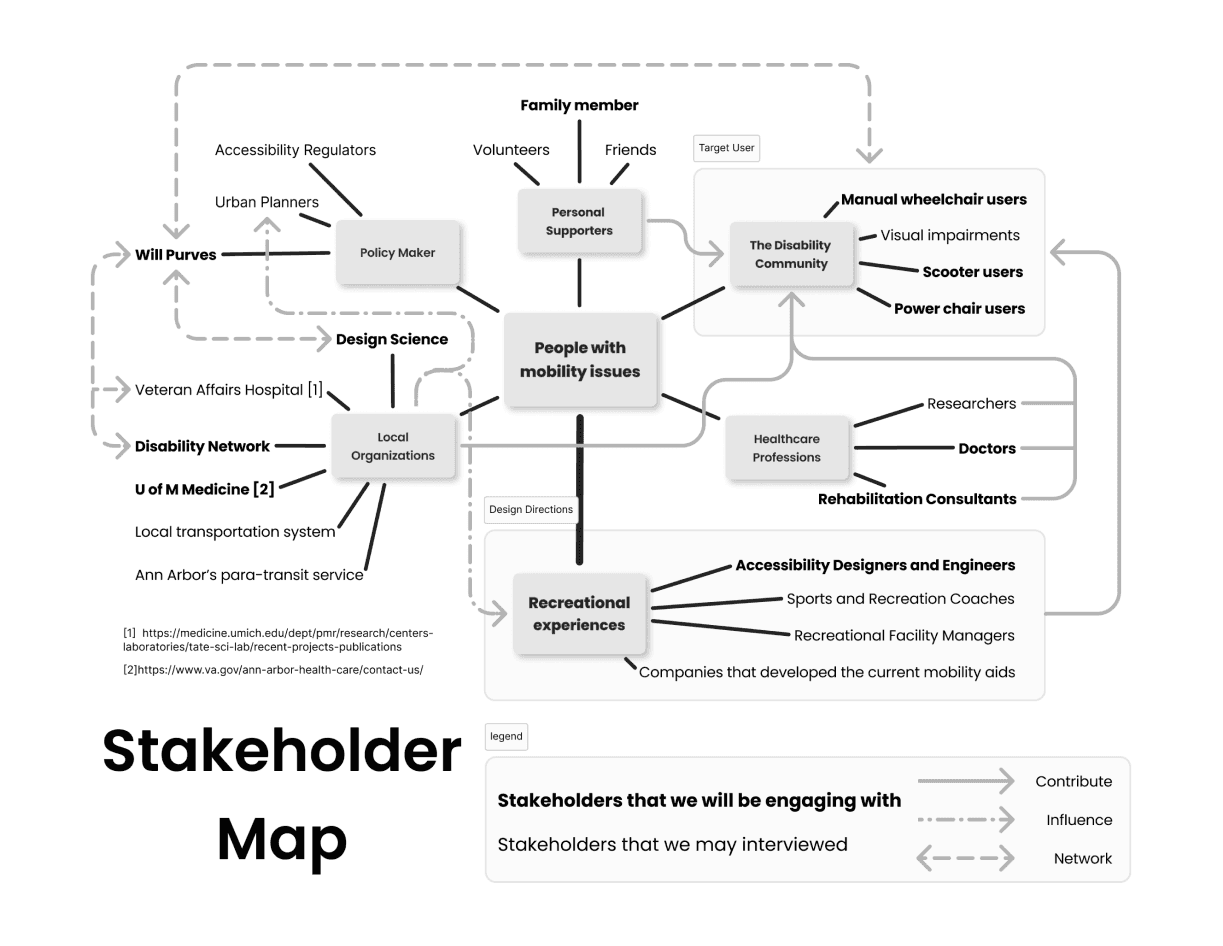
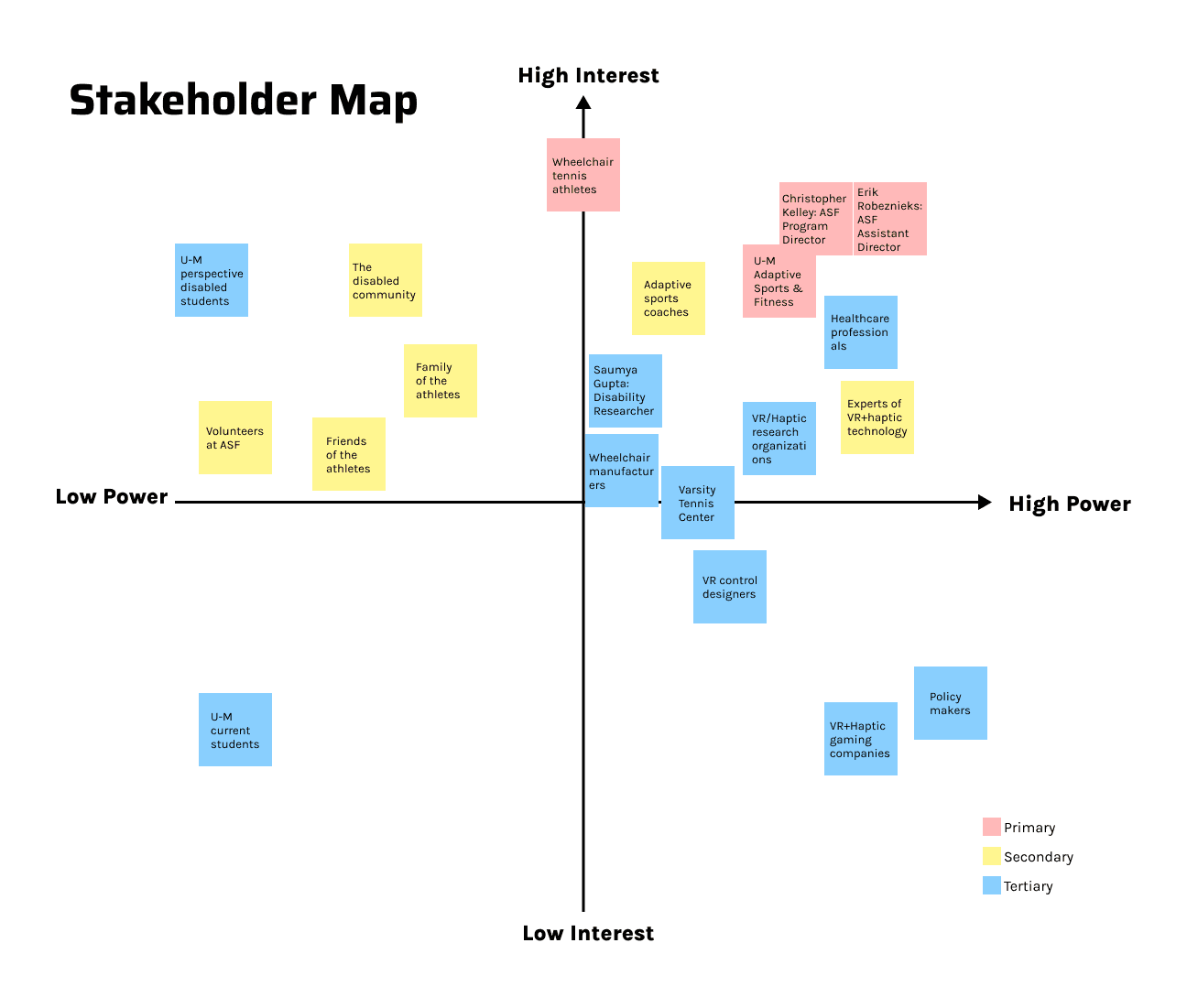
We explored stakeholders who might have an impact or be impacted by our project, and there was a change in stakeholder mapping at the beginning and end of this project. Therefore, we want to showcase our original (left) versus updated (right) stakeholder maps.
Target Audience and Assumptions
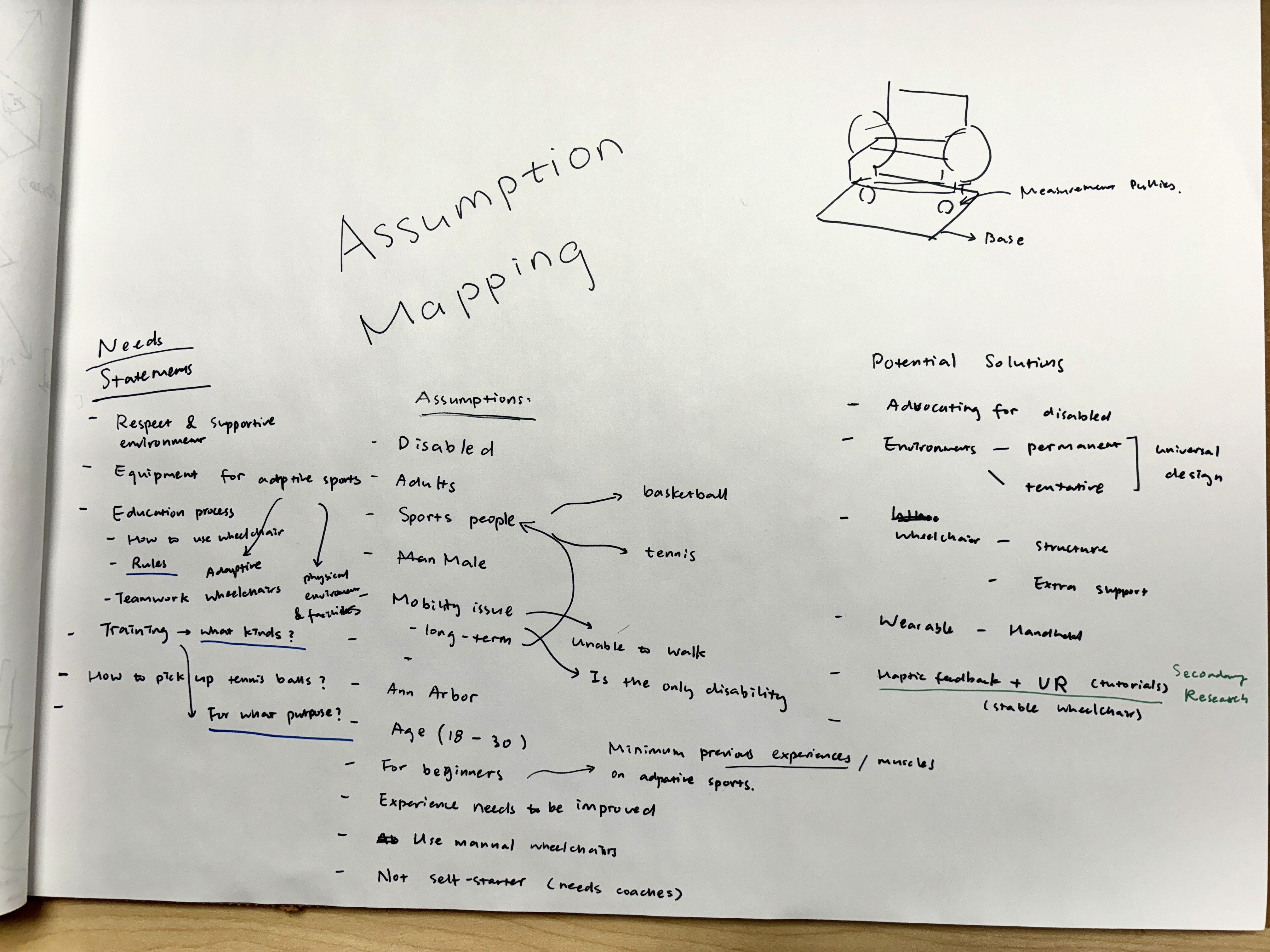
The target audience of our product is mobility disabled people, meaning they sit in a wheelchair. Our assumptions are that a typical target user is an adult, age 18 – 30 years old, right-handed, is a beginner and/or interested in participating in wheelchair tennis, has limited experience with adaptive sports, doesn’t have visual impairment or other disabilities.
Ideate
Assumption Mapping
We explored stakeholders who might have an impact or be impacted by our project, and there was a change in stakeholder mapping at the beginning and end of this project. Therefore, we want to showcase our original (left) versus updated (right) stakeholder maps.
Brainstorming
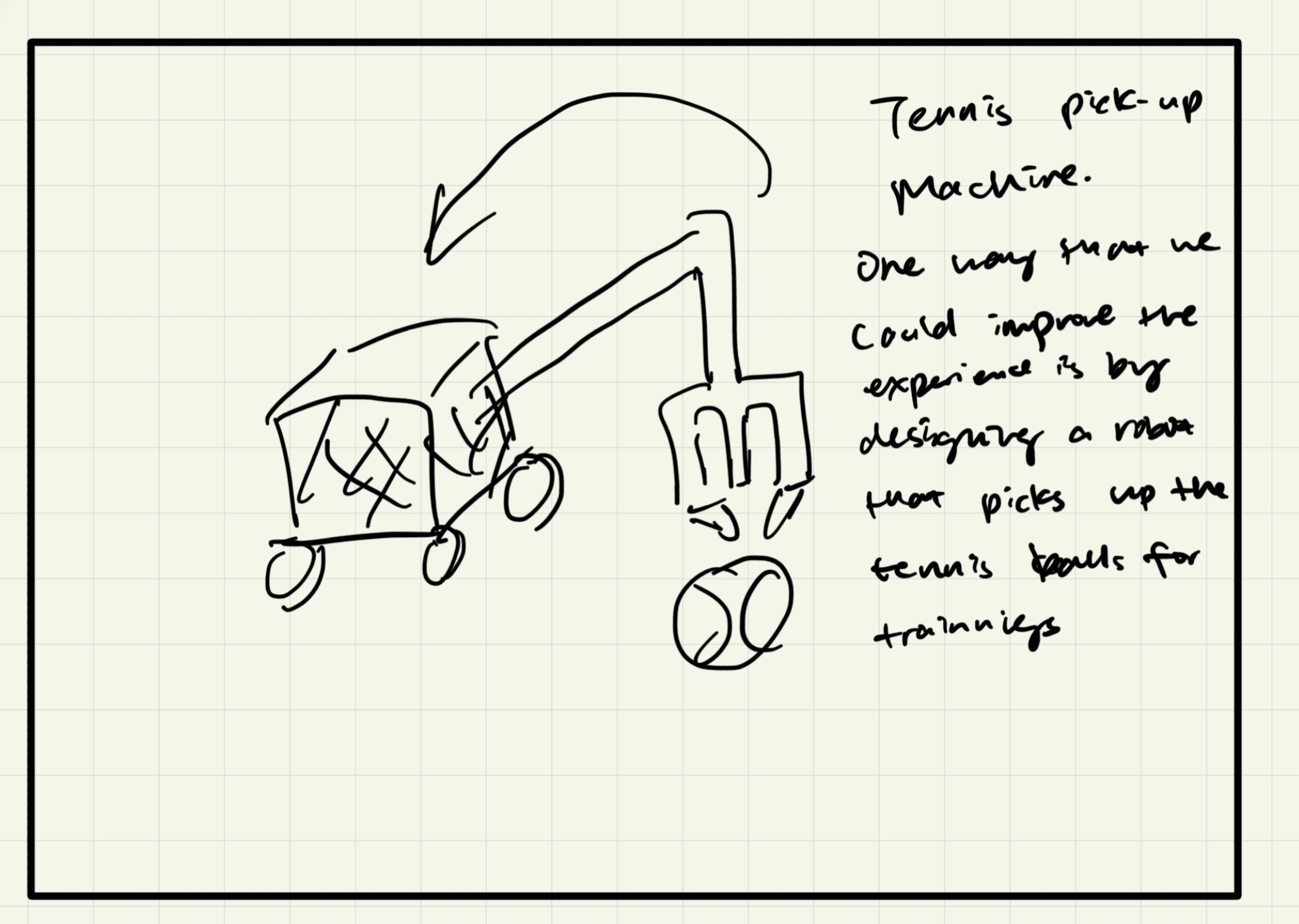
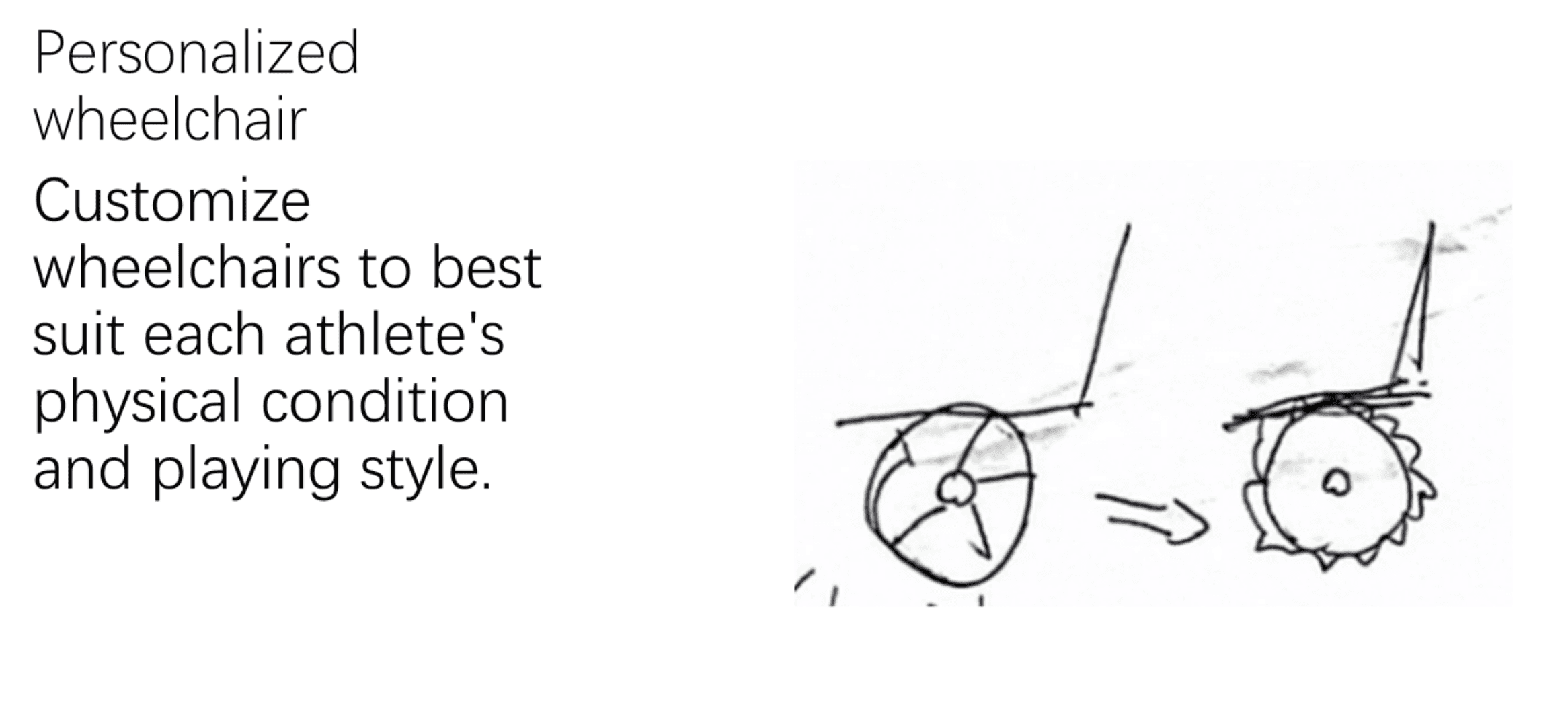
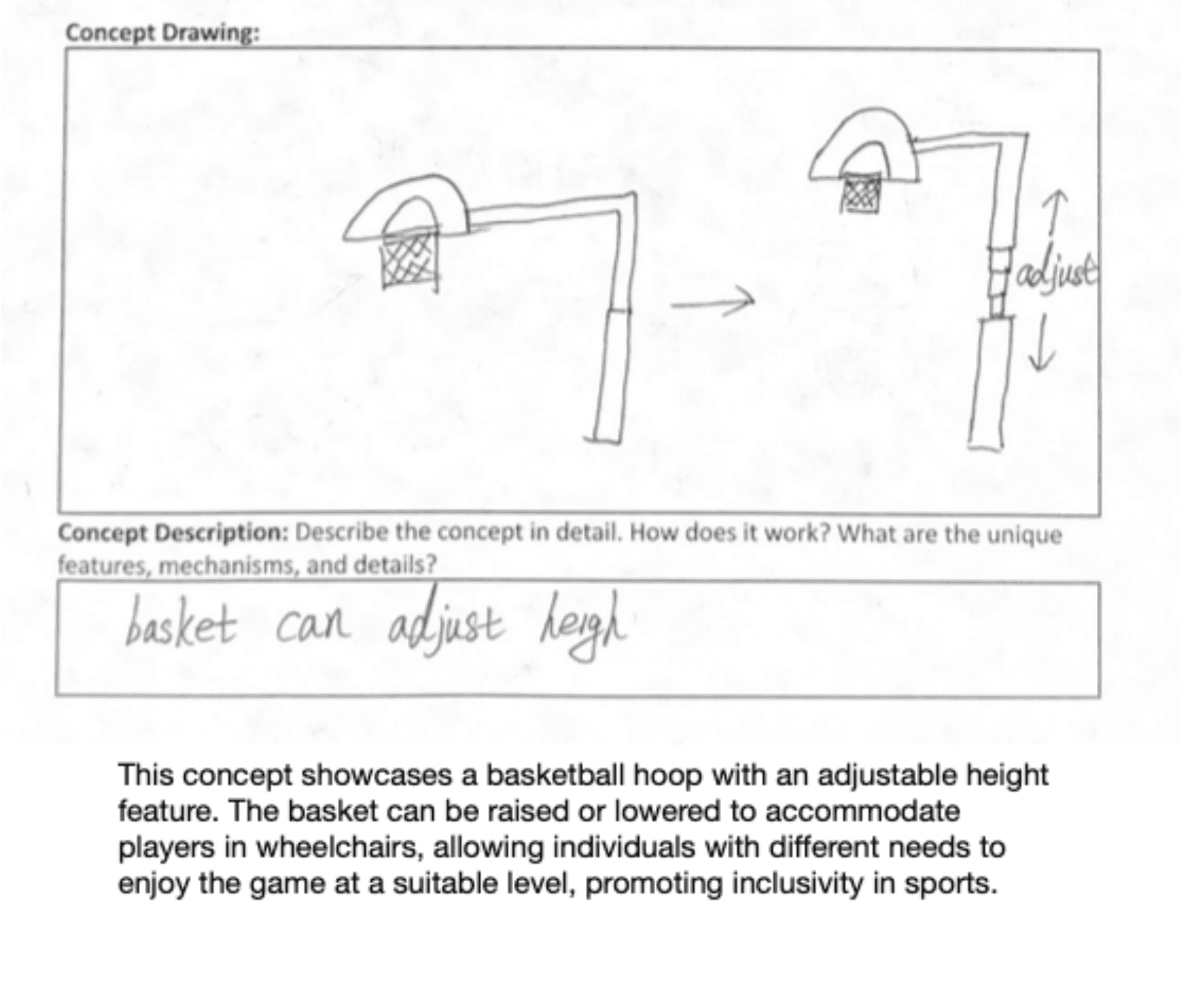
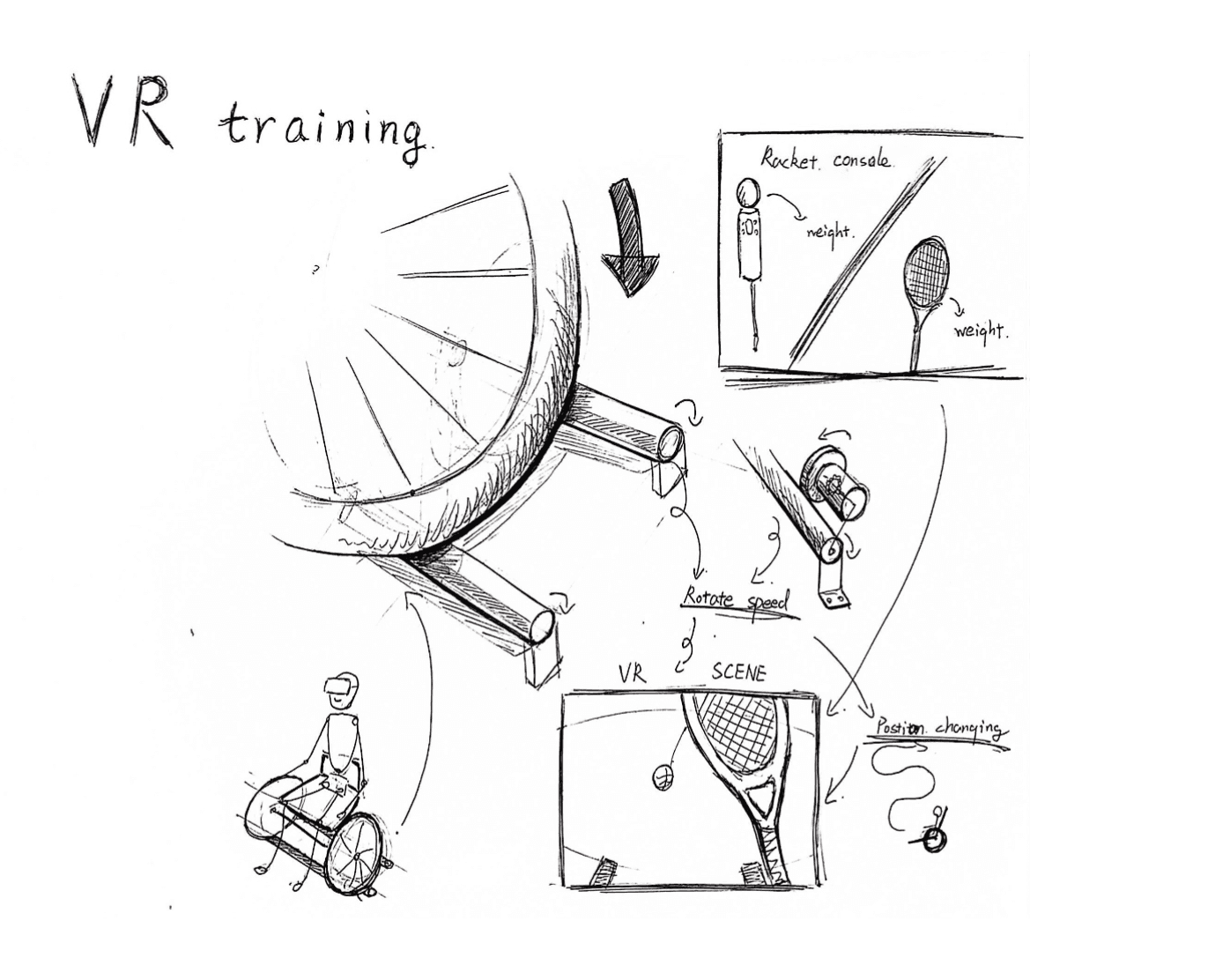
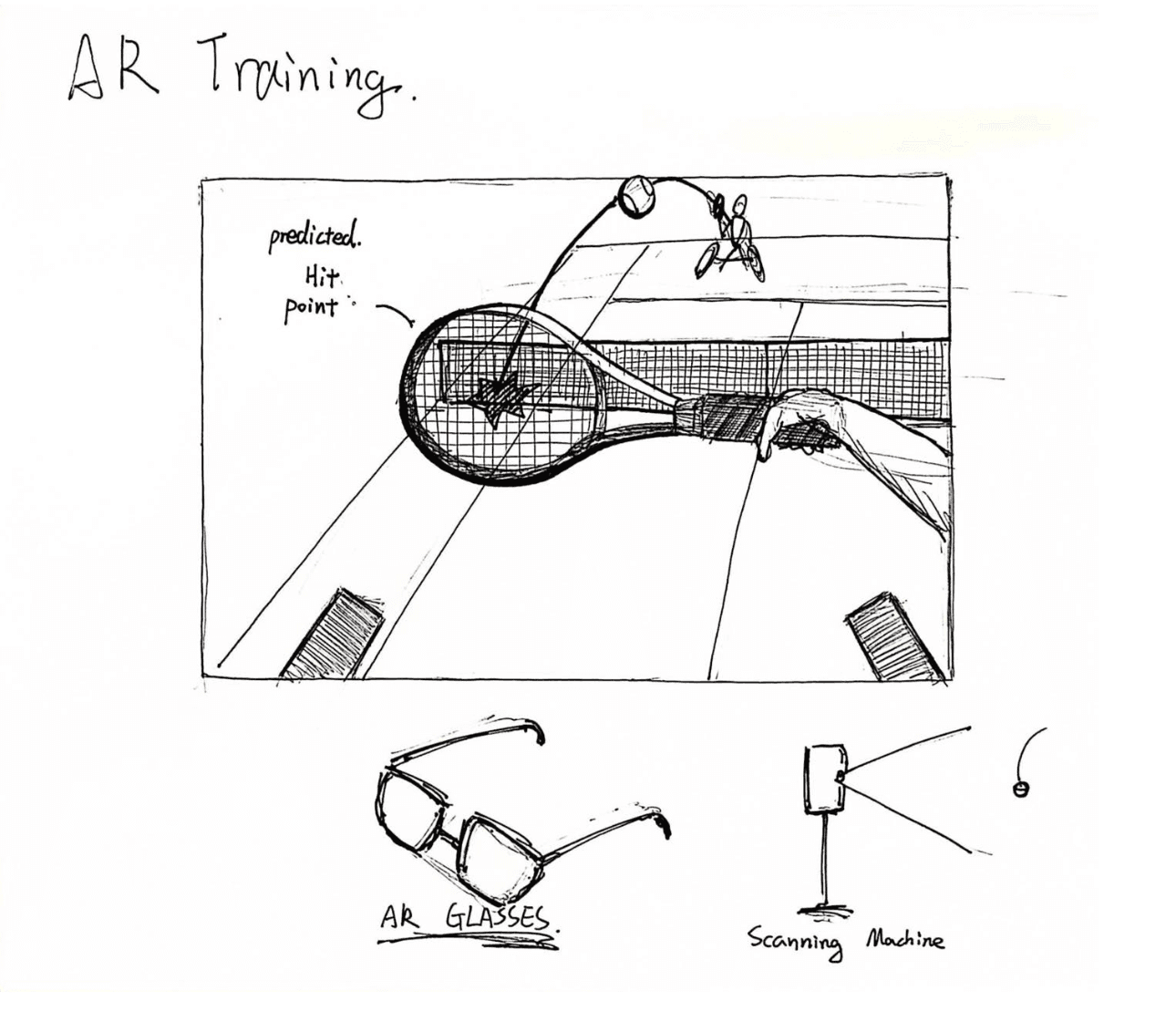
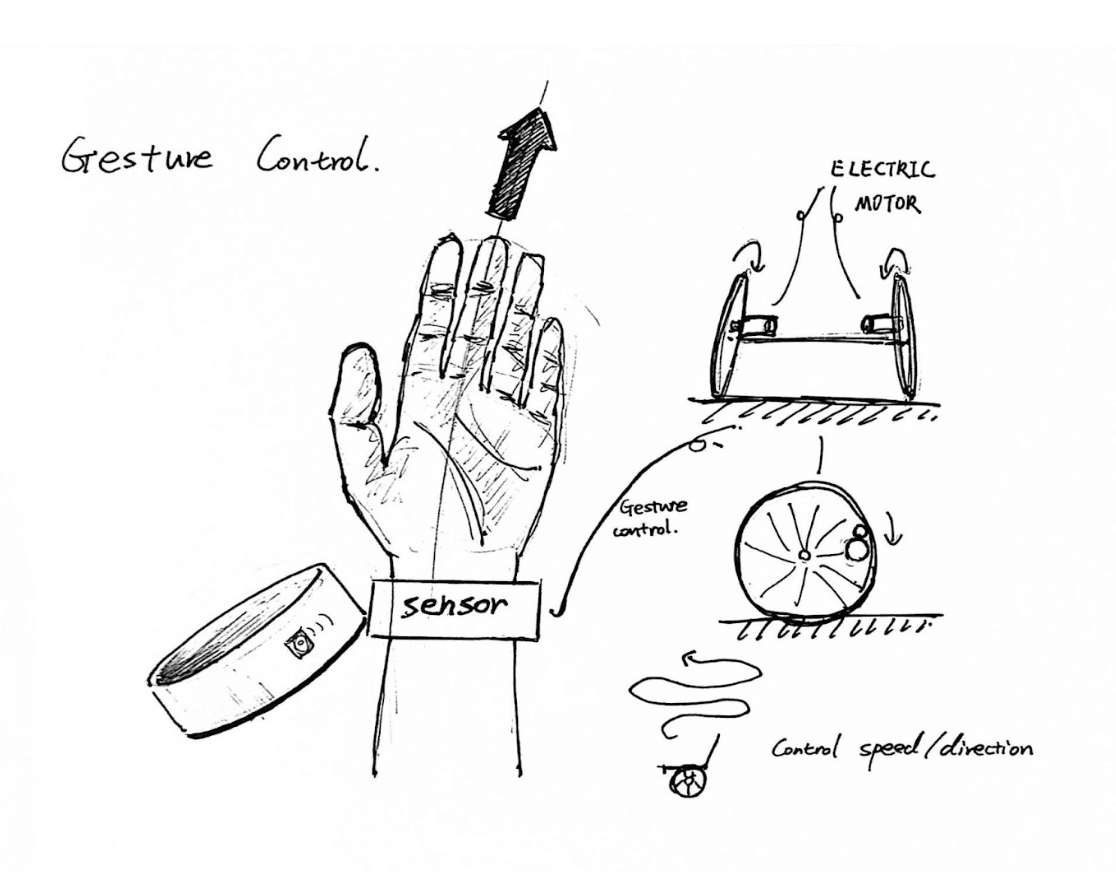
After assumption mapping, we conducted a 10-minute individual brainstorming session within the team, with each member quickly generating 10 ideas and selecting our most promising one to iterate. Each “concept” includes a sketch, relevant labels, and a written description.. Below are 3 examples of our concept sketches
Down-Selection: Expert Interview
The team shared the sketches of the 15 ideas and verbally presented them to our audiences. Specifically, we made sure to explain/ask about the following things:
We…
Explicitly told them our main design question and project goals
Articulated each ideas
Answered clarifying questions
Asked for constructive feedback considering the idea’s feasibility and usability
Asked if audiences have more feedback
Audience critiqued about
1) Some of the ideas are good, but not feasible, for example, the training robot could be useful, but it’s too hard to achieve within a class
2) Technologies such as wheelchair controller already exist in for example the power wheelchairs, so it might be not innovative enough
The 3 most promising ideas suggested by interviewees:
1) VR training
2) AR training
3) Gesture control
Down-Selection: PUGH Chart
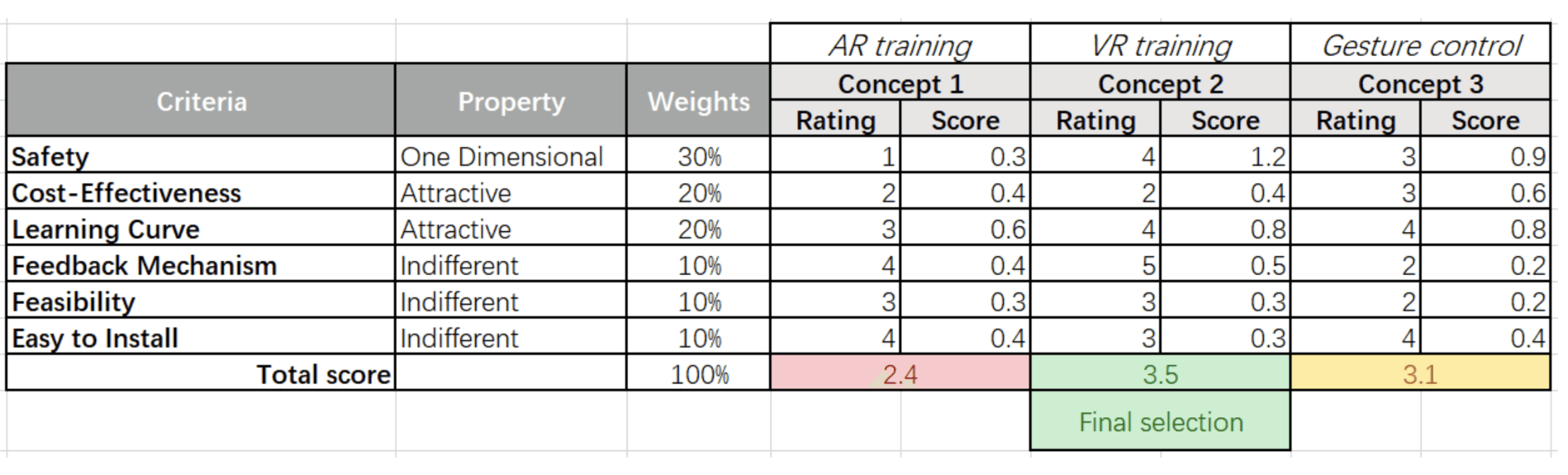
Drawing from interviews with our target users, specifically wheelchair tennis players with two years of experience, and expert feedback from coaches, we used the PUGH chart to identify six key requirements to guide our project’s evaluation (Pugh, 1990). Below are the six requirements
Safety: Ensuring the training system is safe for wheelchair tennis players, particularly beginners, by minimizing risks such as falls, collisions, or equipment malfunction during use.
Learning Curve: Reducing the difficulty of getting started with wheelchair tennis by simplifying the training process and making the system intuitive for new players to learn and practice essential skills.
Feedback Mechanism: Providing real-time, actionable feedback to users on their performance, such as stroke accuracy or wheelchair positioning, to help them improve efficiently.
Feasibility: Designing the system to be technically achievable within the given constraints of time, budget, and available technology, ensuring it can be practically implemented.
Ease of Installation: Making the system simple to set up and use, allowing players or their coaches to get started without requiring extensive technical knowledge or assistance.
Cost-Effectiveness: Keeping the overall cost of the training system affordable for users and organizations, ensuring that it is accessible to a broader range of wheelchair tennis players.
Final Design Idea
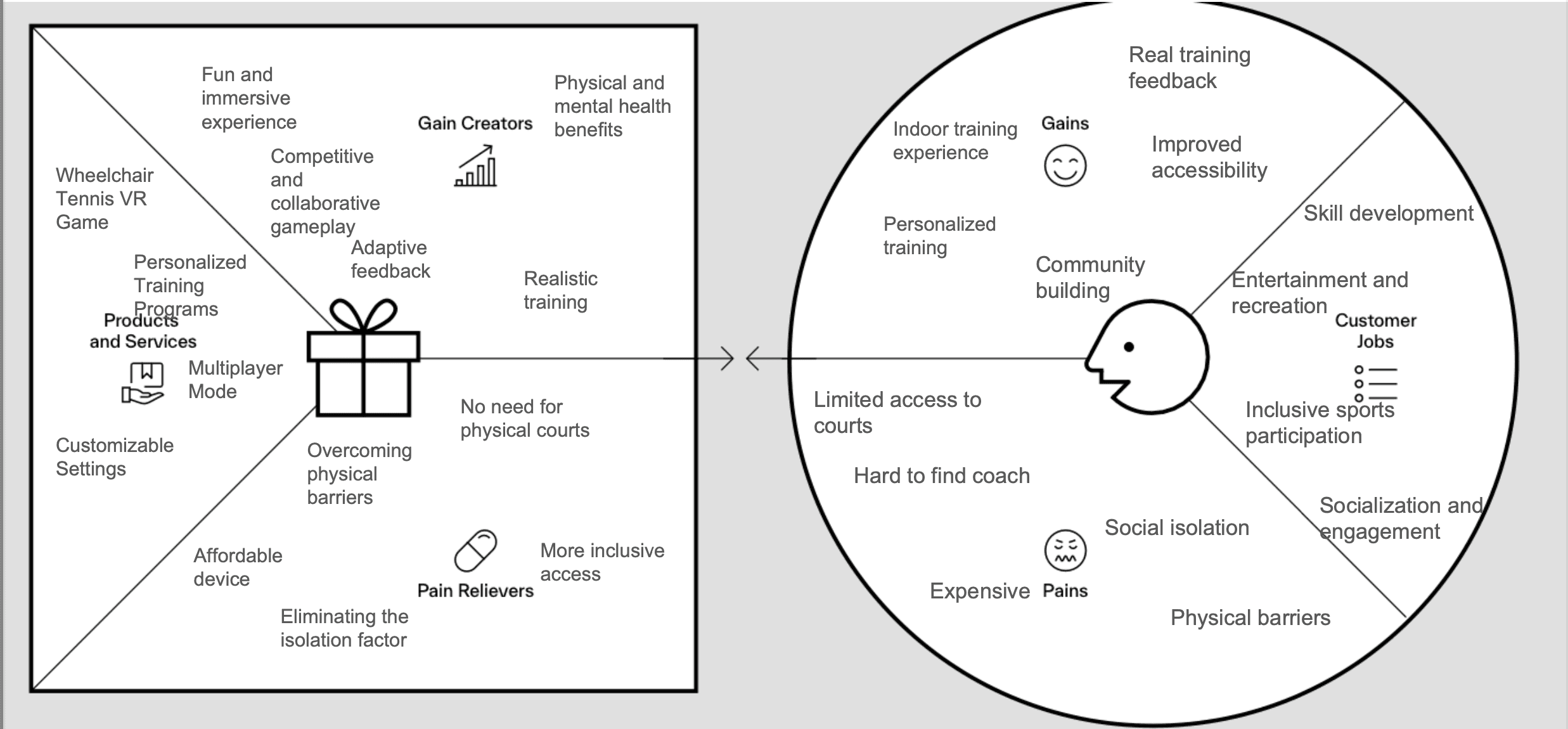
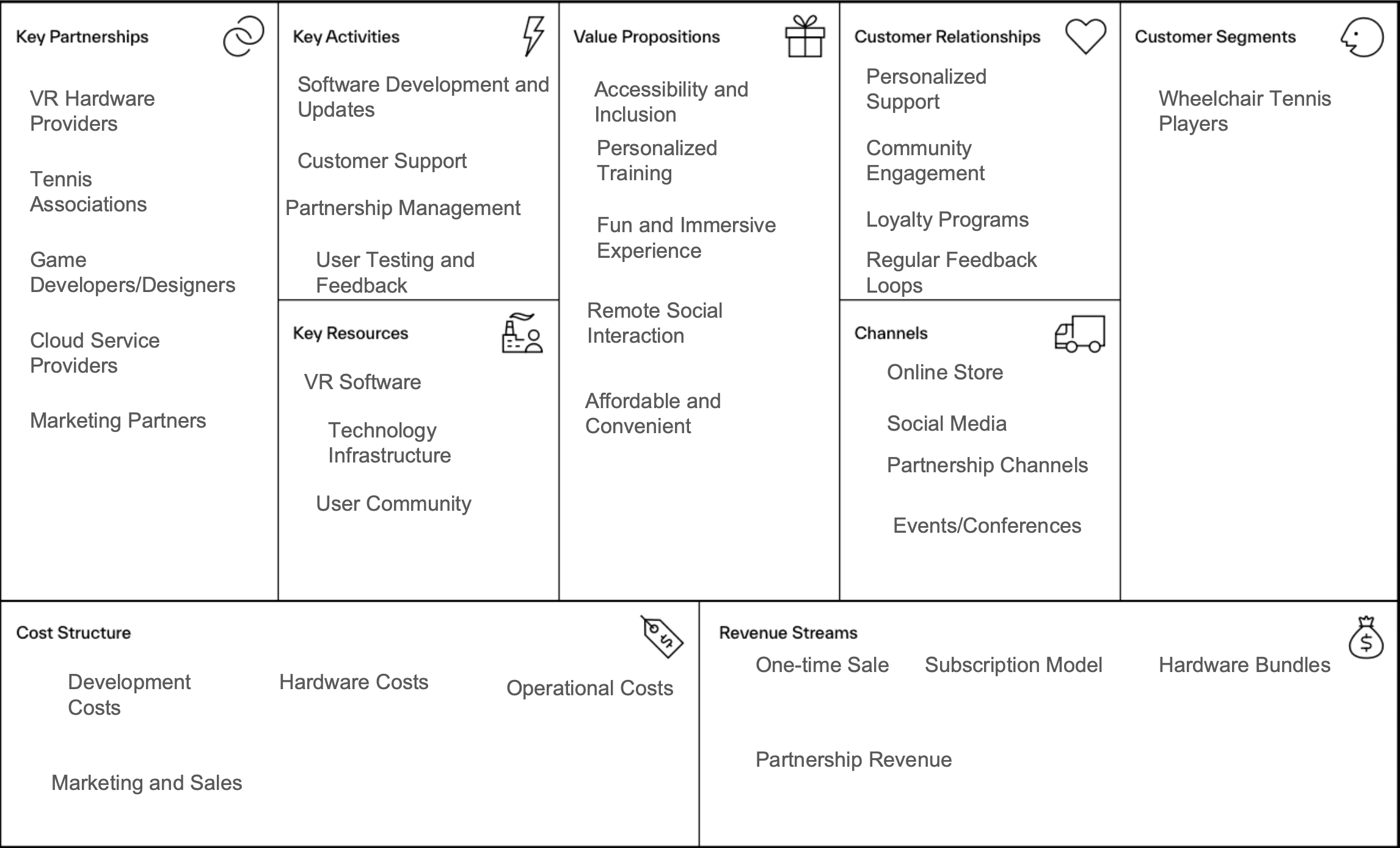
Based on the evaluation, we selected VR training, HaptiCourt, as the final design idea to move forward with development. This option combines a smoother learning curve with real-time feedback, allowing newcomers interested in wheelchair tennis to conveniently and safely train their skills.
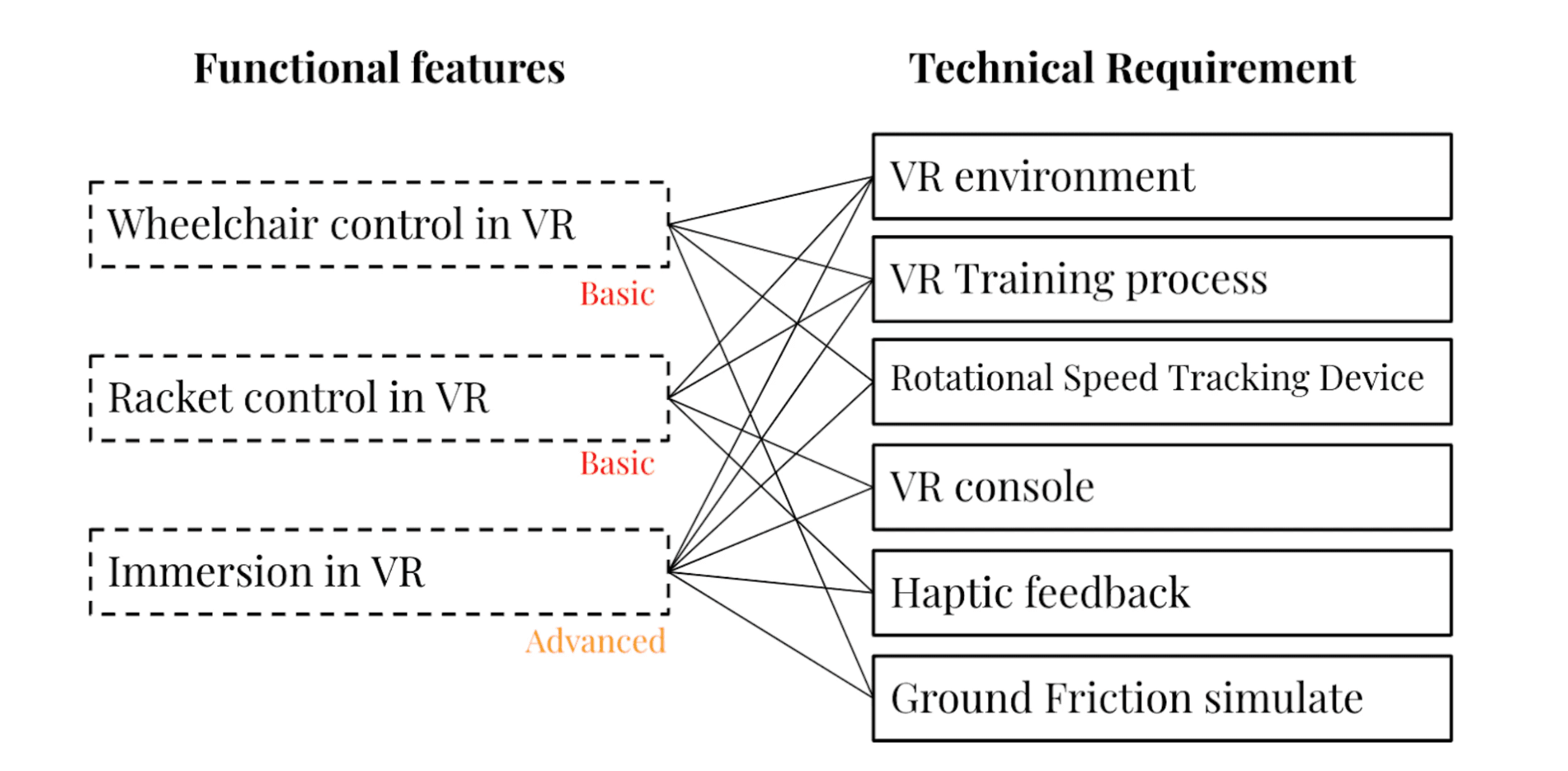
Specifically our design consists of 3 parts:
• A wearable that can be put on a user’s forearm to provide kinesthetic haptic feedback
• A VR training environment that
• A position monitor that keeps track of the current position of the wheelchair relative to the space
Note: Due to the limited amount of development time, the team decided to focus on designing and iterating the wearable part of the HaptiCourt system.
Prototype
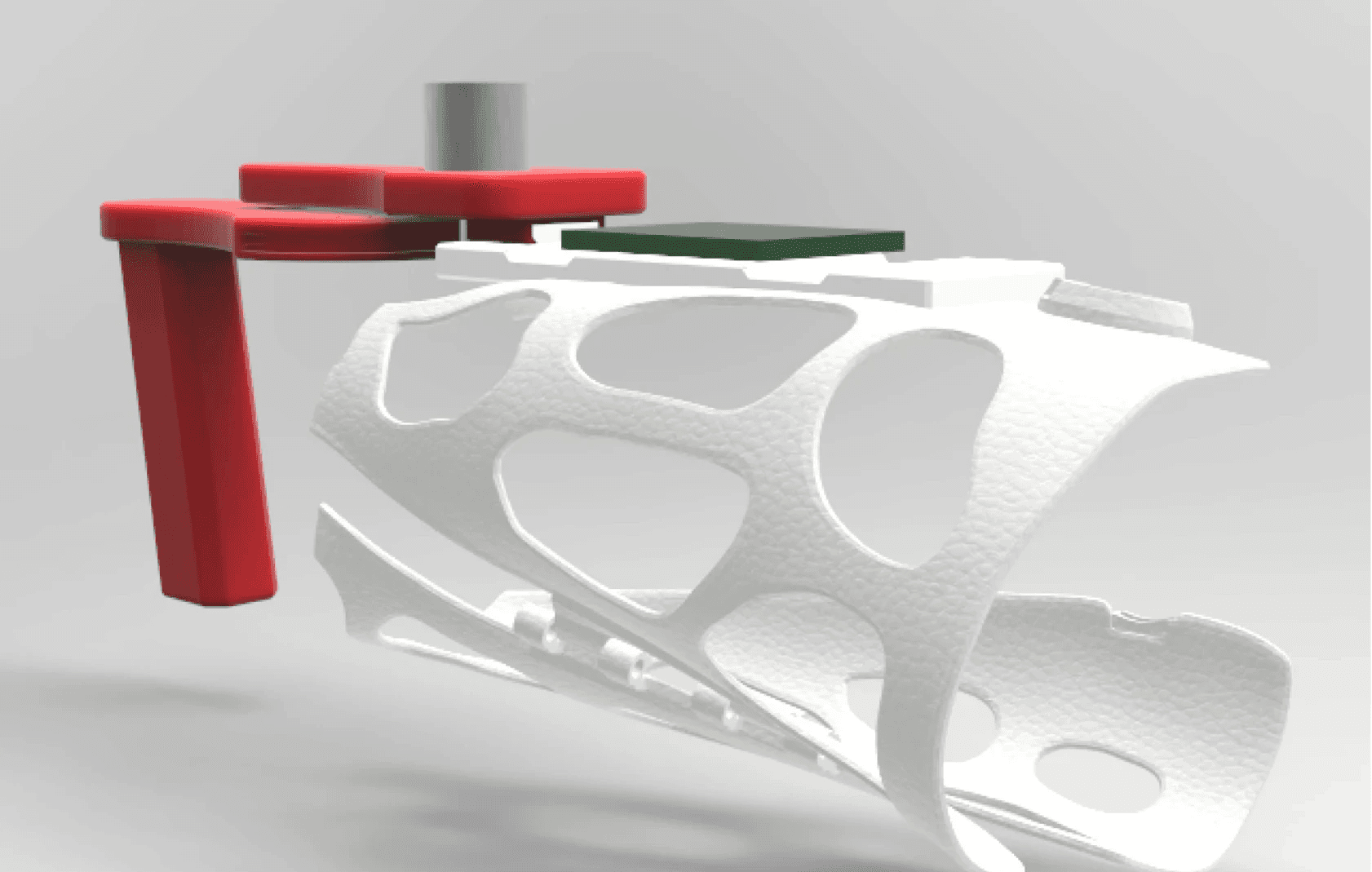
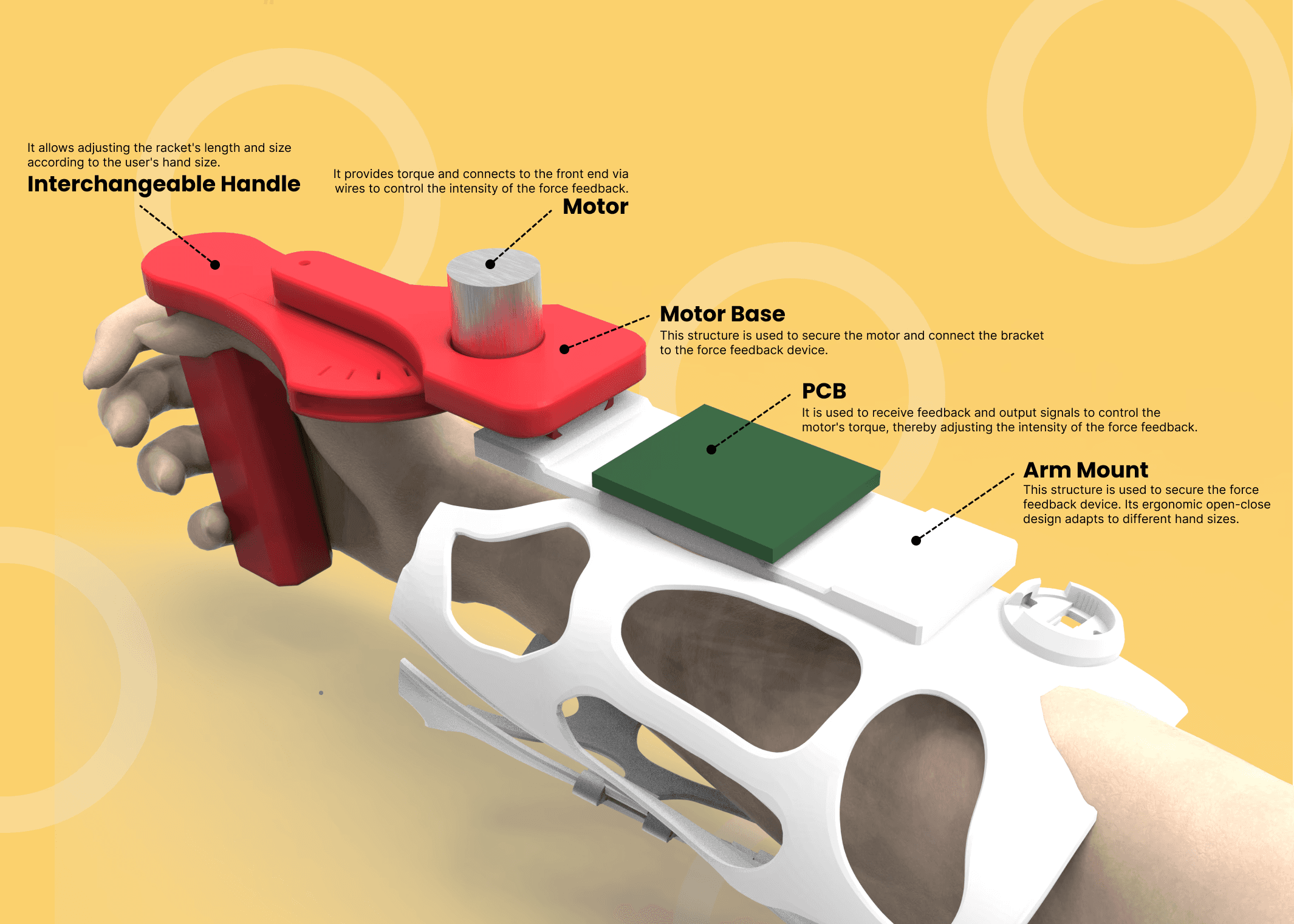
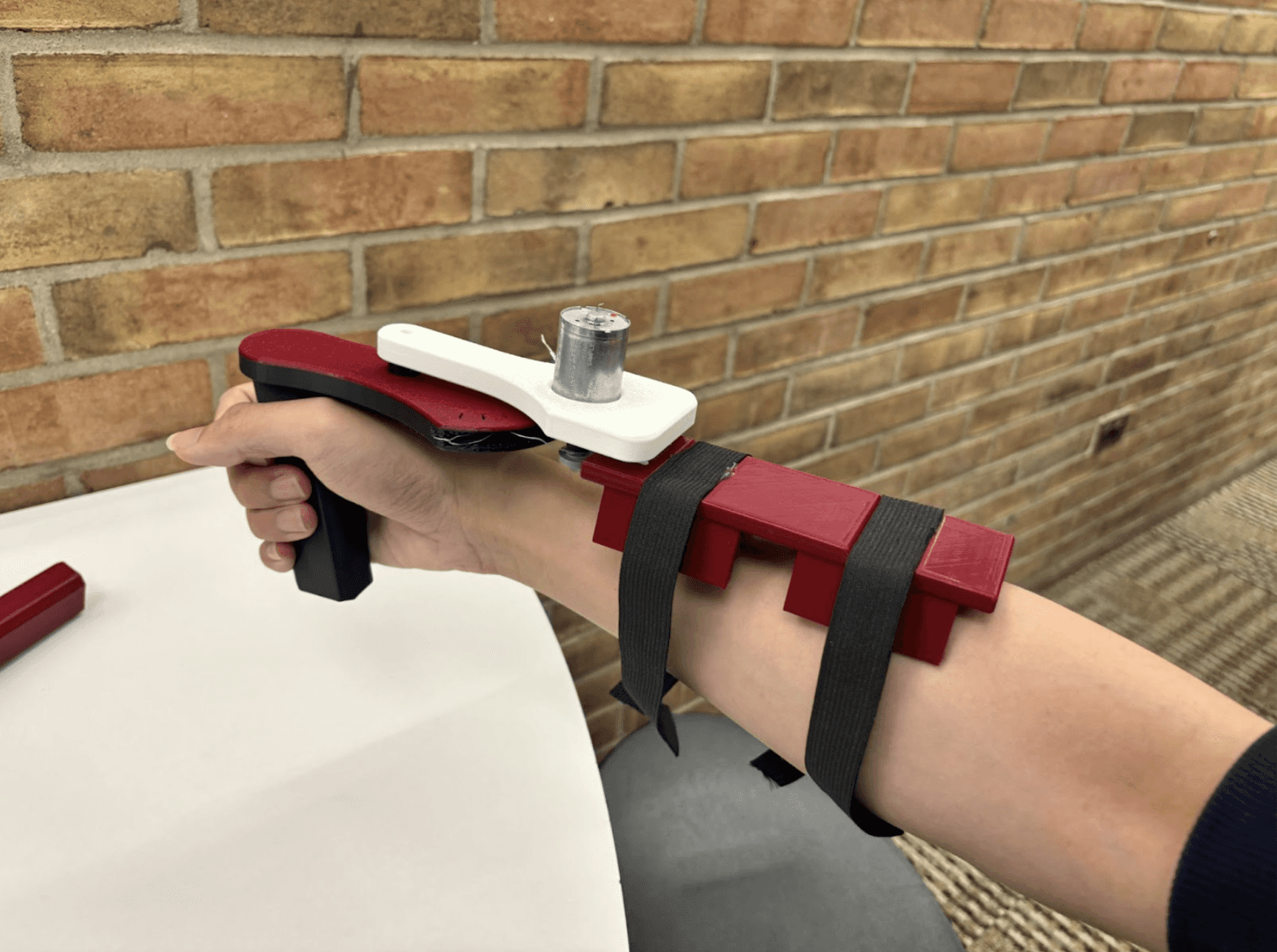
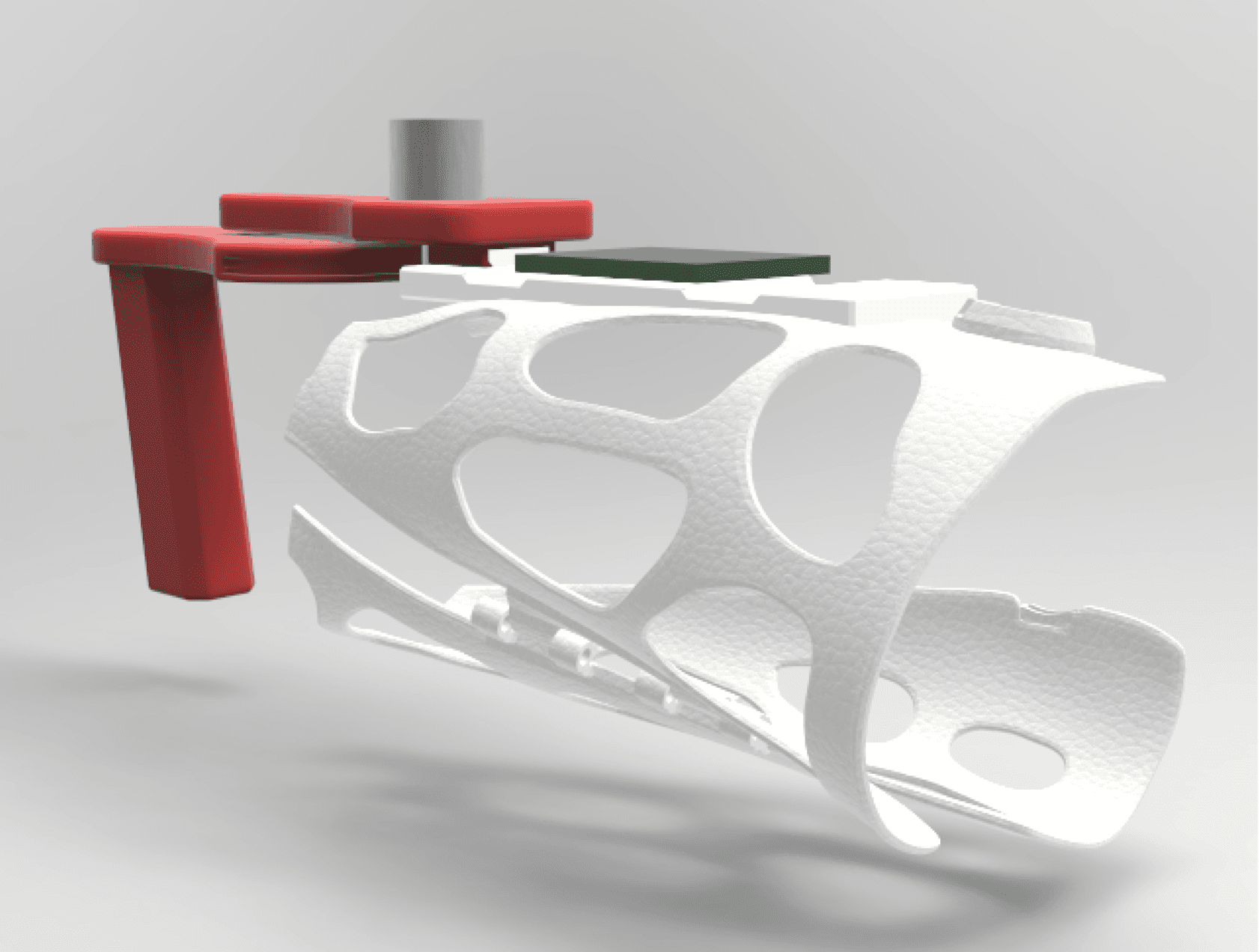
HaptiCourt Wearable Device
Our inspiration comes from Stanford's Hapkit (Hapkit, 2024), an open-source resource that allows users to input movements and feel programmed forces along a single degree of freedom. This enables interactive simulations of both real-world physics (such as springs and dampers) and creatively designed tactile experiences (such as textures and buttons) within virtual environments. For our project, this technology offers the potential to simulate the dynamic "resistance" of a realistic tennis stroke, rather than relying solely on basic vibration feedback. This approach significantly enhances the user’s sense of immersion and realism in the training experience.
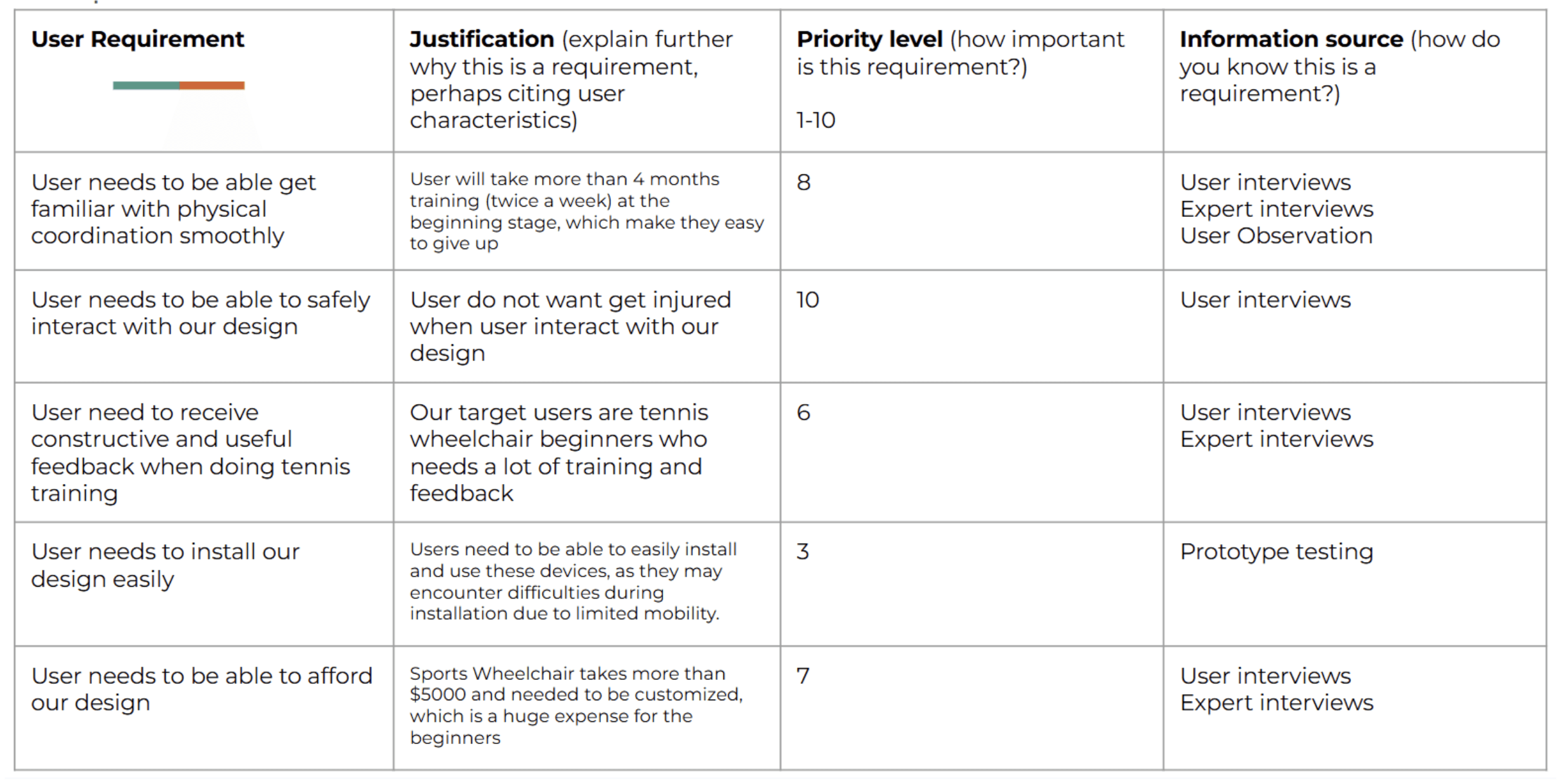
User Requirements
Based on our stakeholder engagement insights and the final design idea we wanted to develop, the team listed user requirement and rated their priority level on a scale of 1–10.
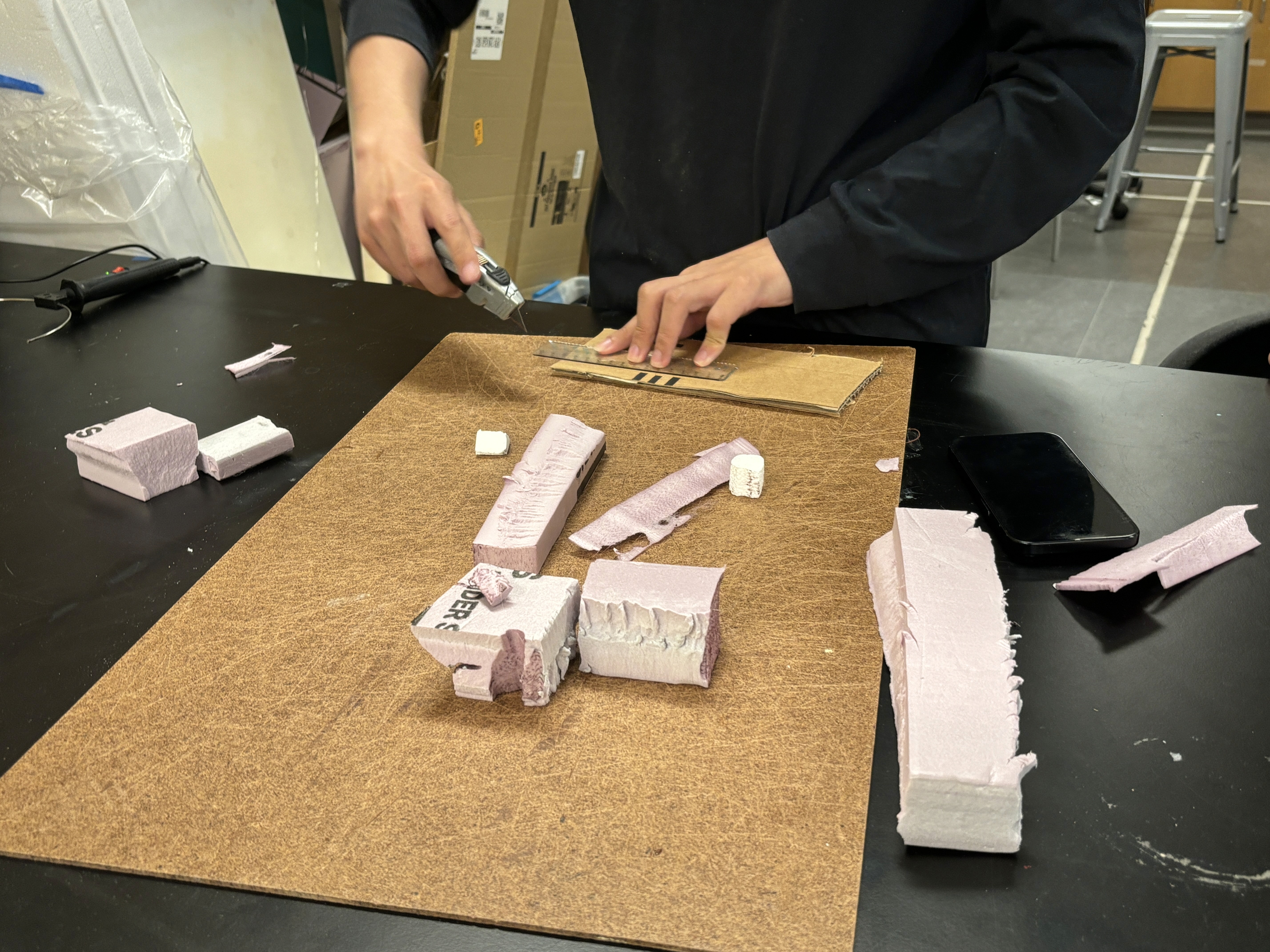
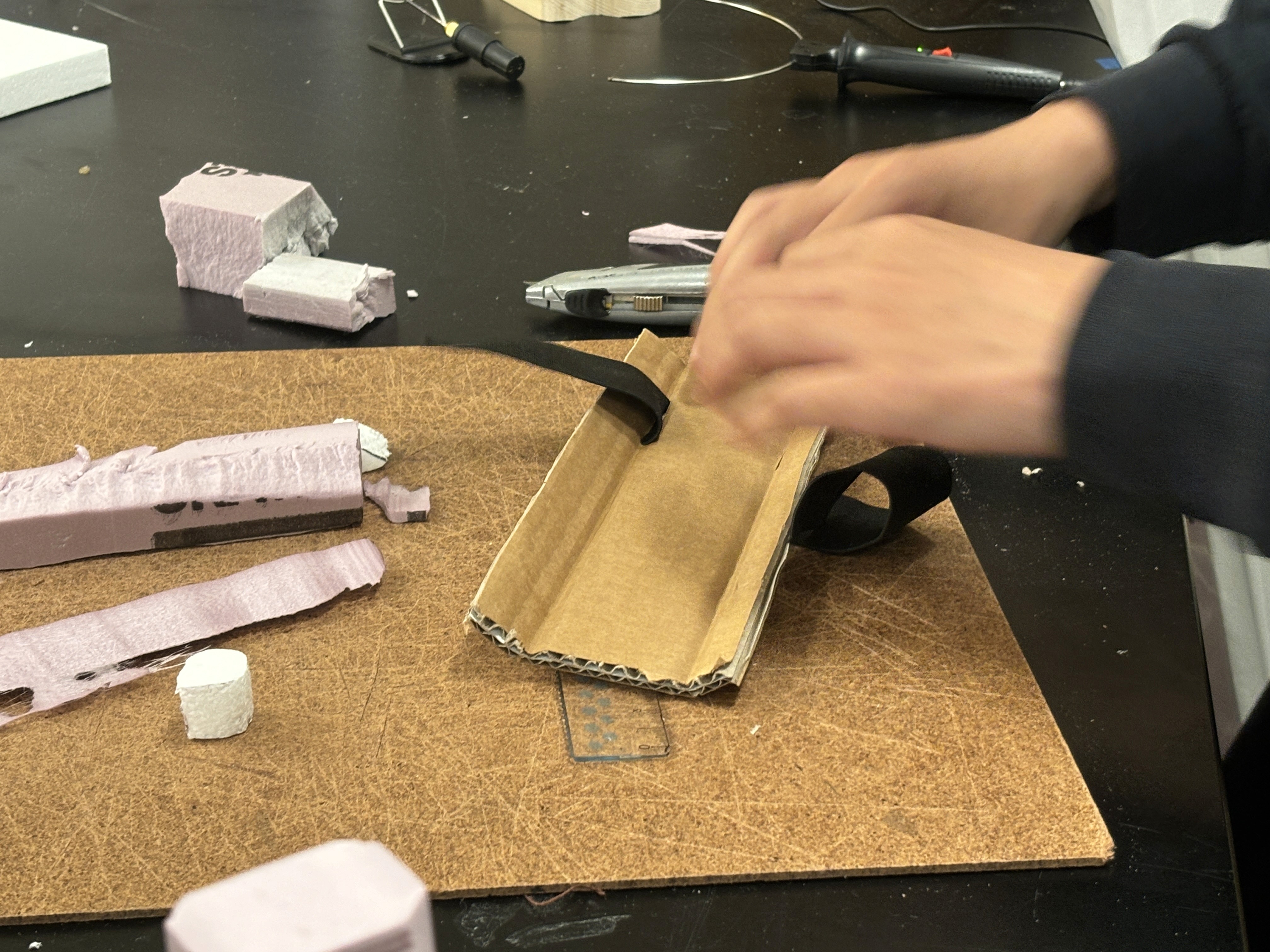
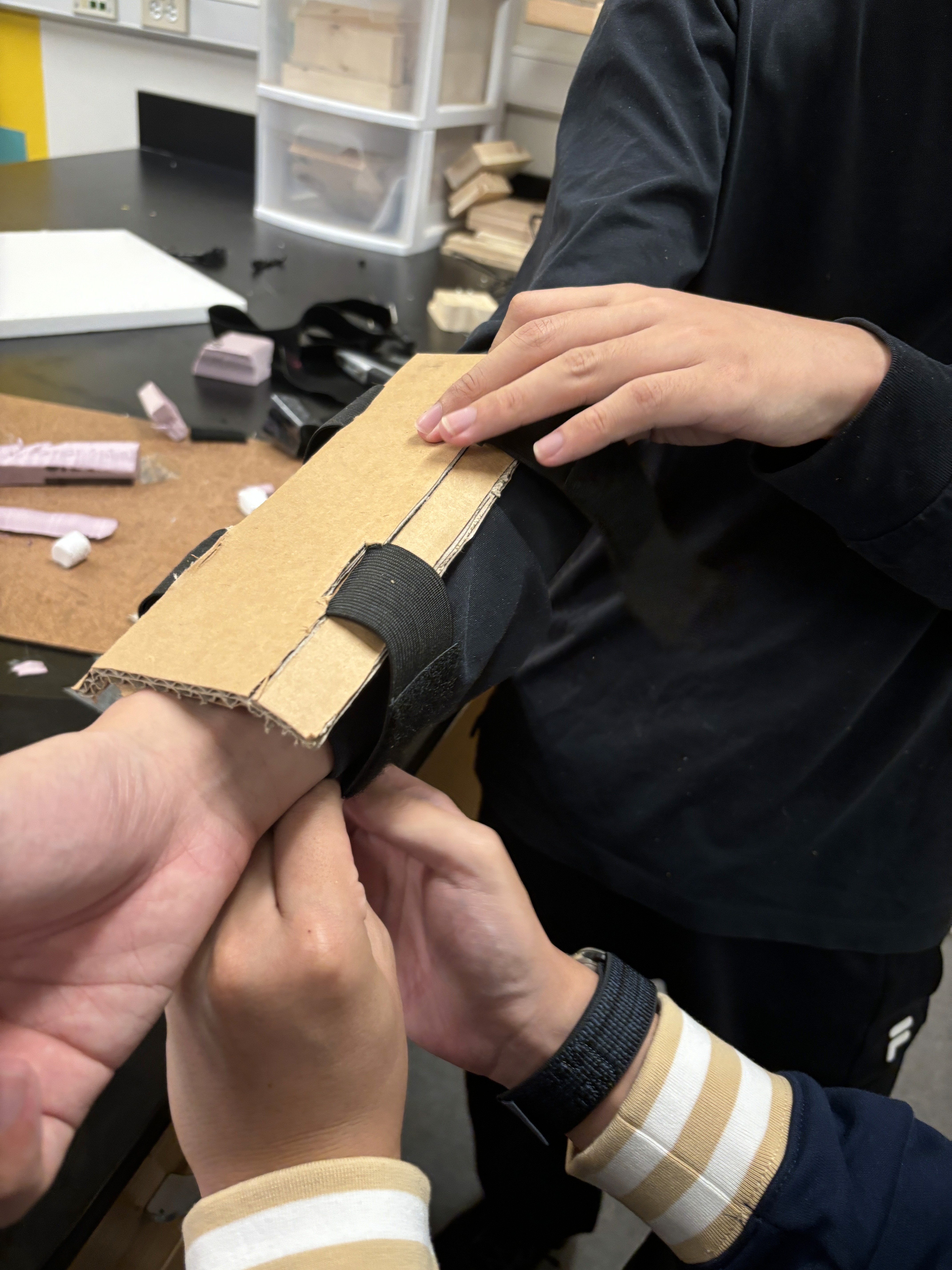
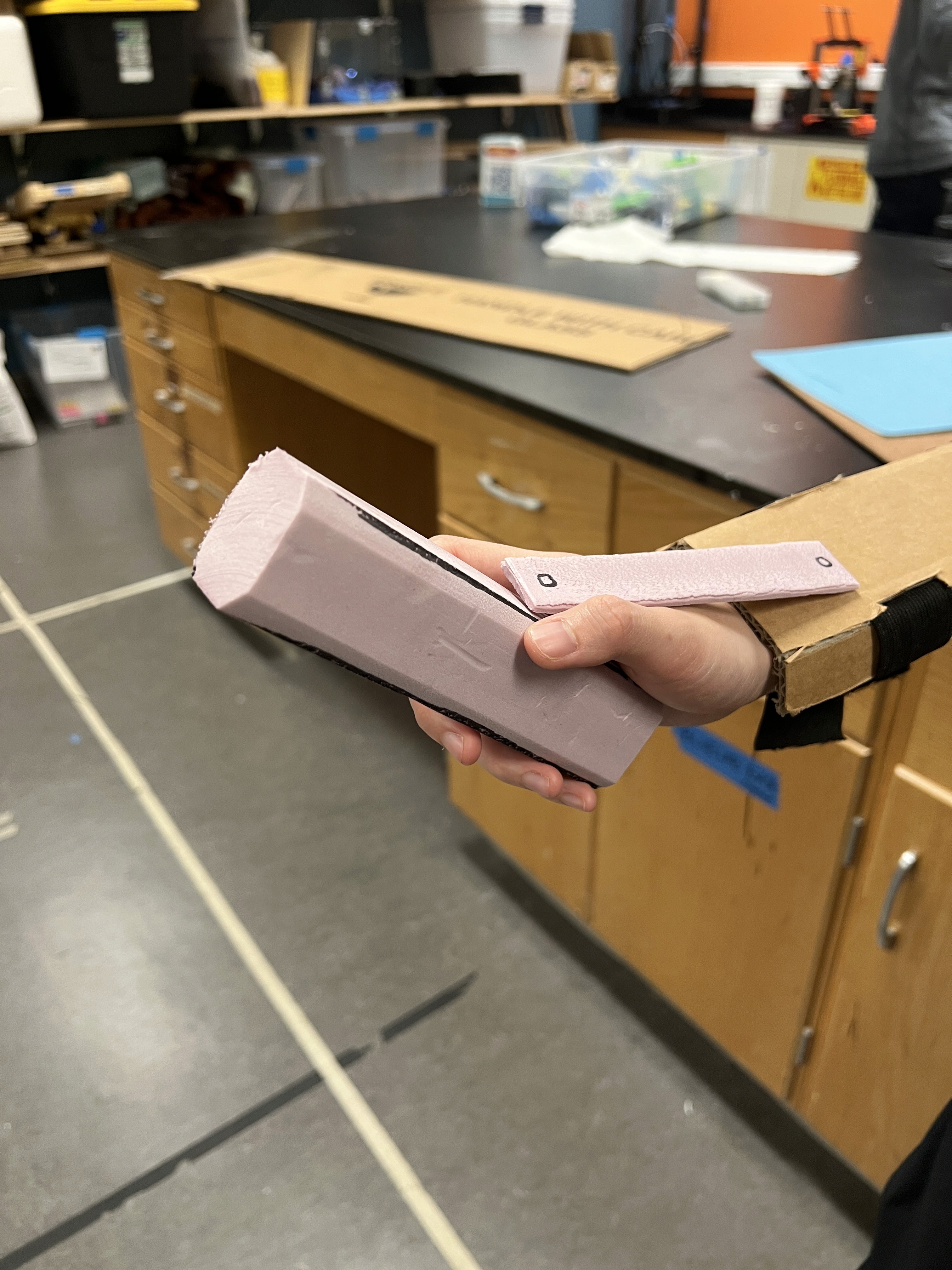
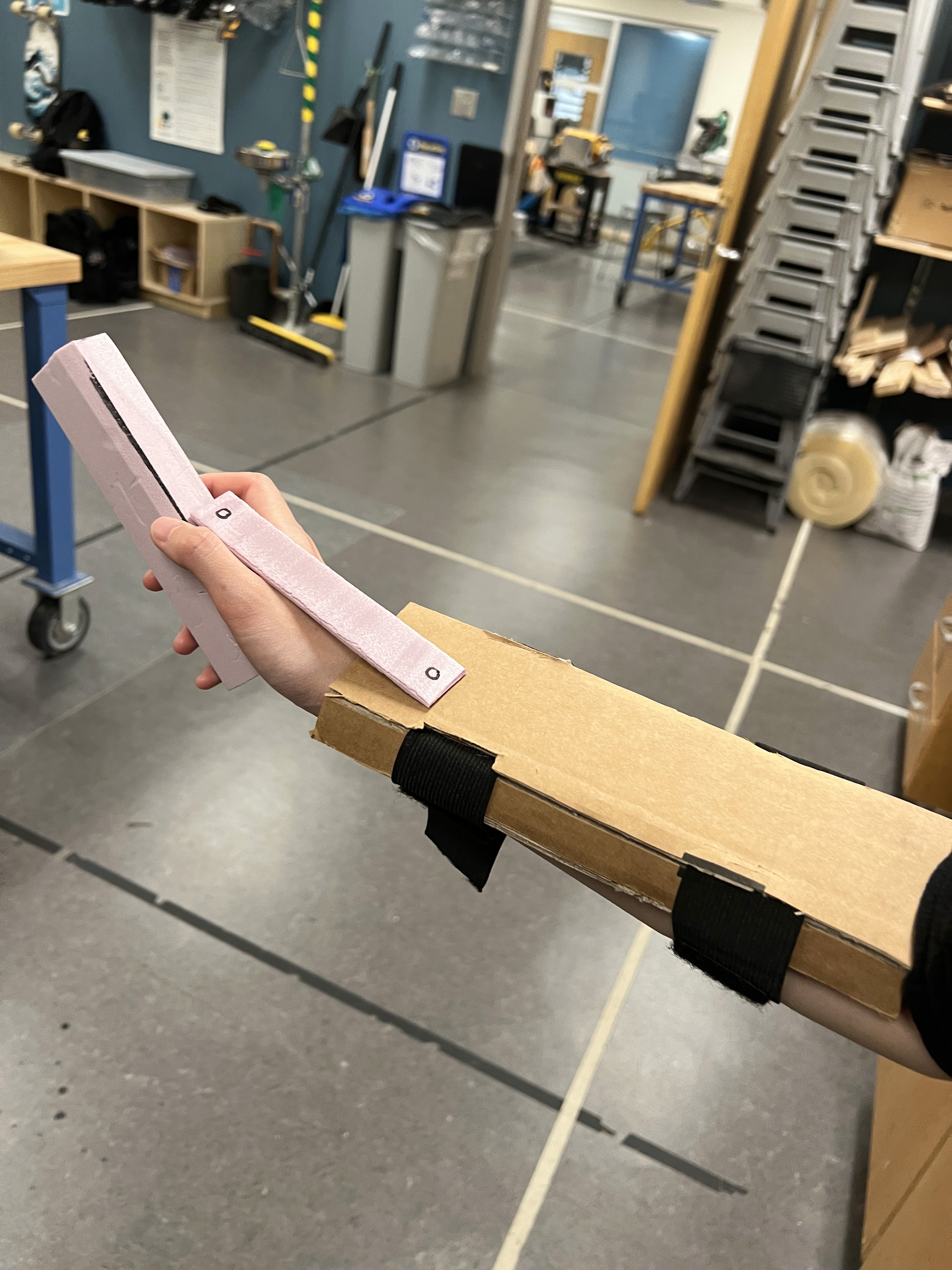
Wearable Prototype Iteration #1: Cardboard & Foam
The team decided to start with building an initial prototype of the wearable using low-cost materials such as foam, random fabrics, and cardboard.
Wearable Prototype Iteration #2: Applying Hapkit Open Source
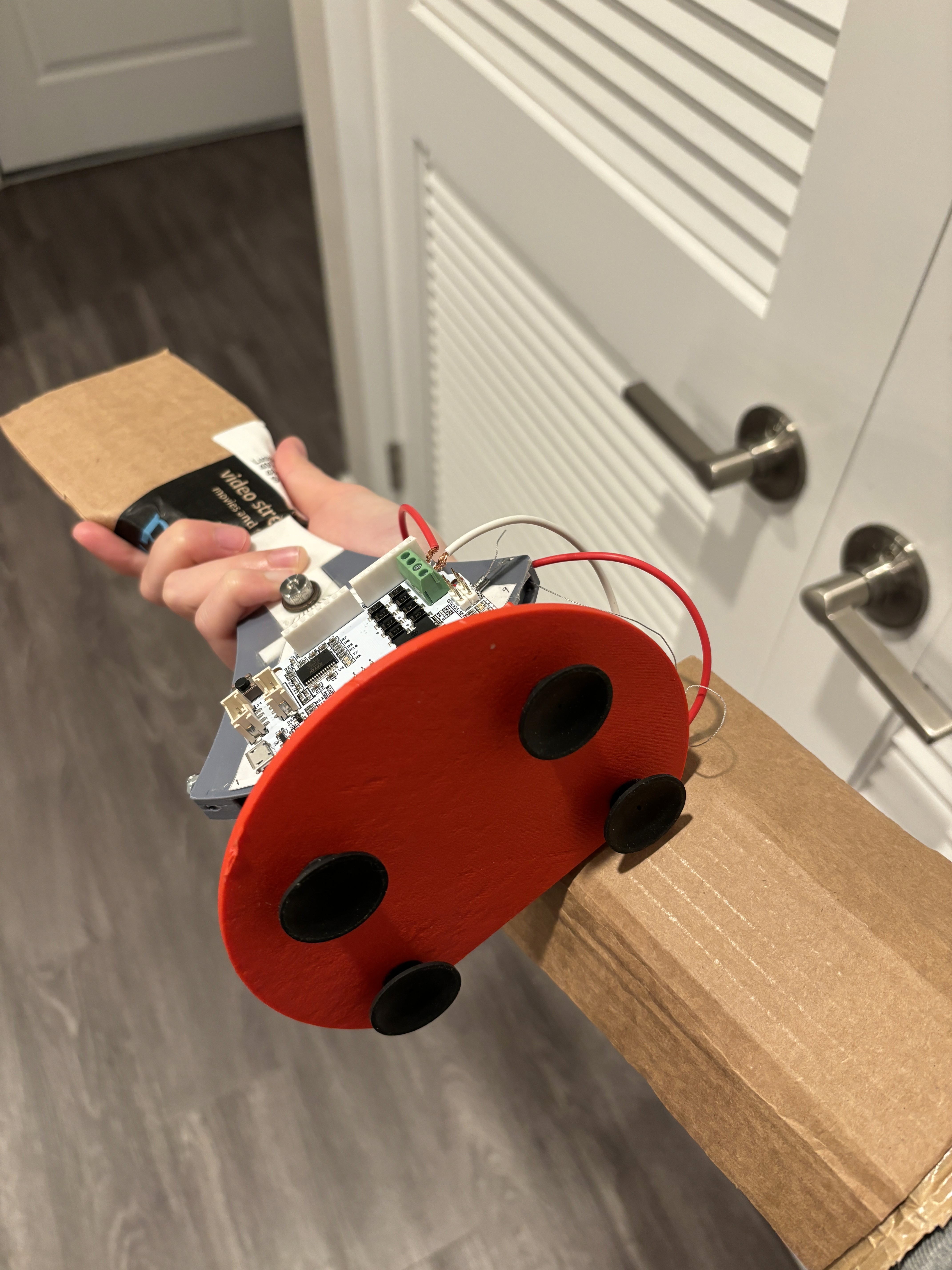
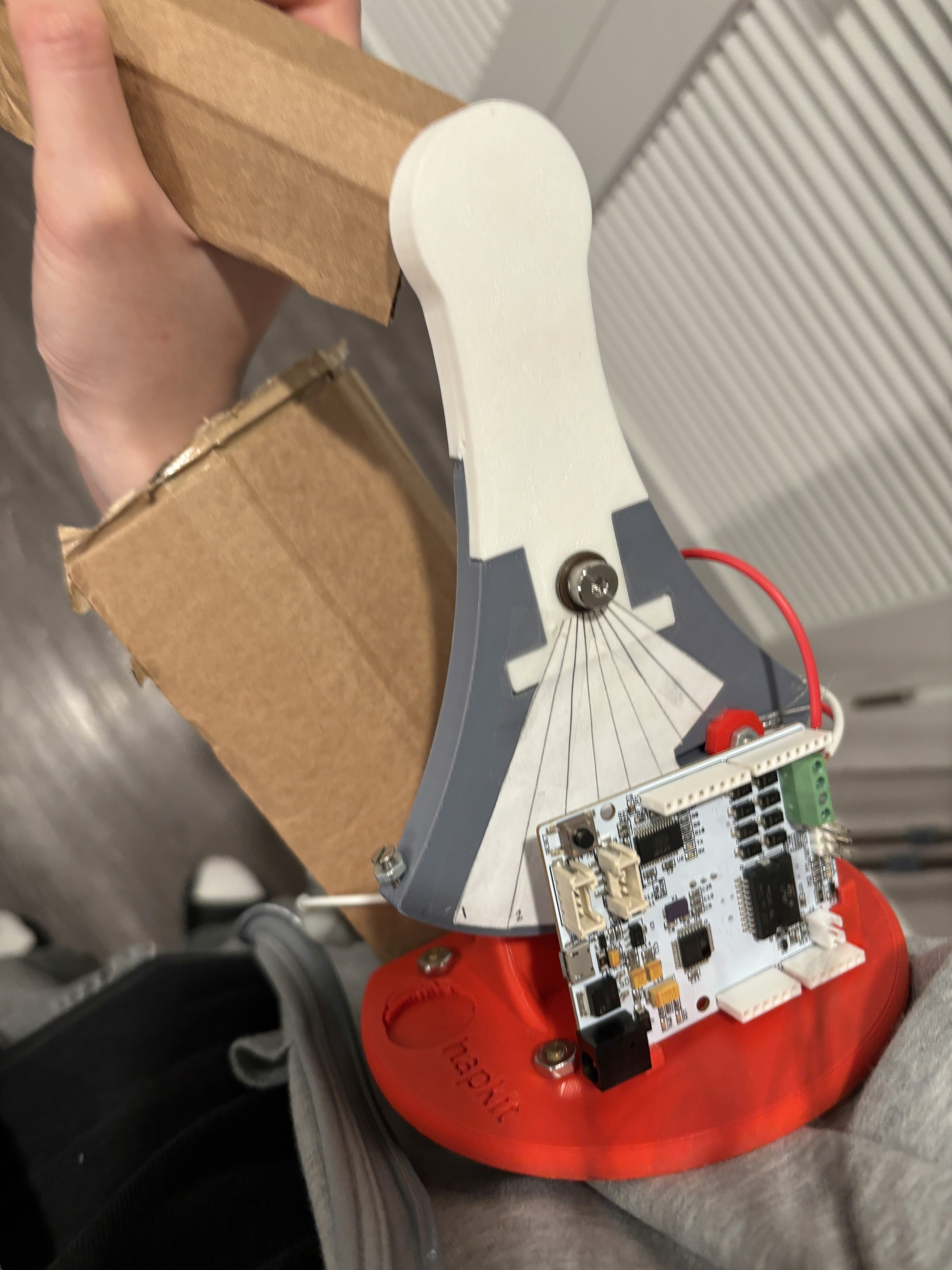
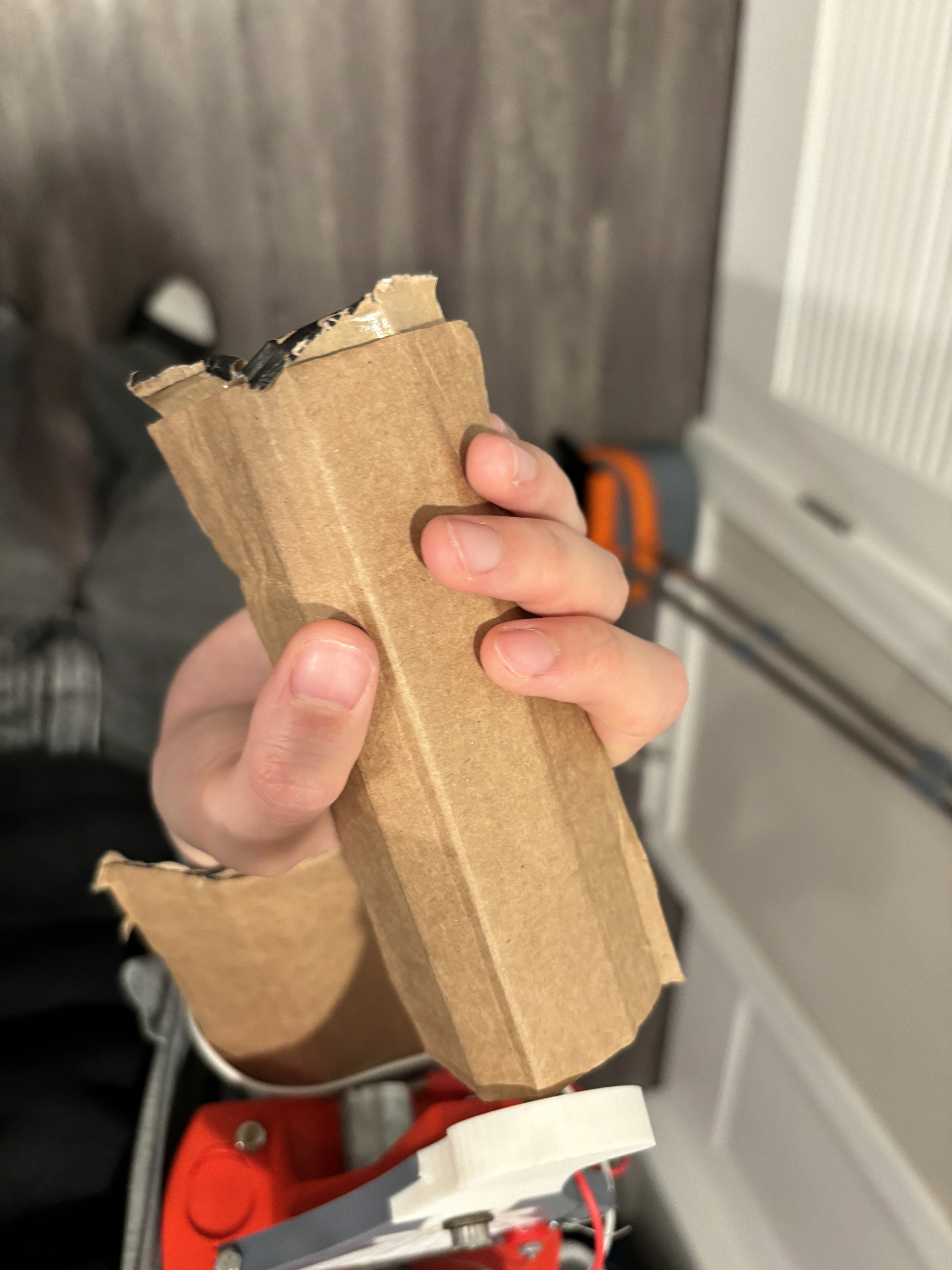
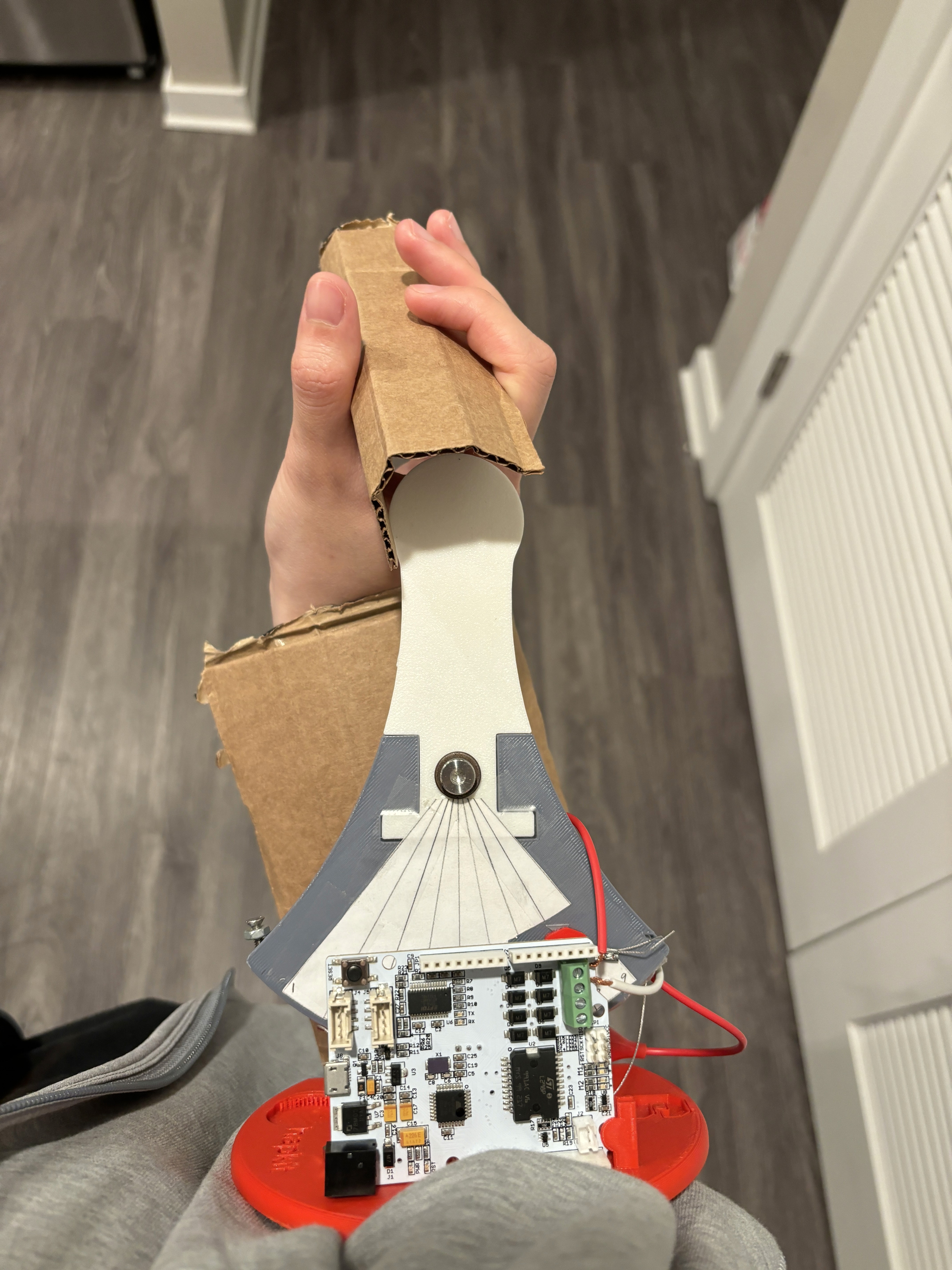
For the purpose of our project, we wanted to use Hapkit (Hapkit, 2024) as a starting point, meaning that we wanted to use the principles of an original hapkit to redesign the 3D modeled parts so that it best tailored to our project goal of designing a wearable device that has haptic feedback. In this week’s prototype, we were able to see what works and what does not for the original hapkit in terms of human ergonomics and usability for future redesign of the 3D printed parts. With this goal in mind, we found that the original size and shape of the base, sector pulley, and handle are not ideal to install on human arms, and will be the parts we redesign and keep iterating.
Final Wearable Iteration: 3D Modeled and Printed
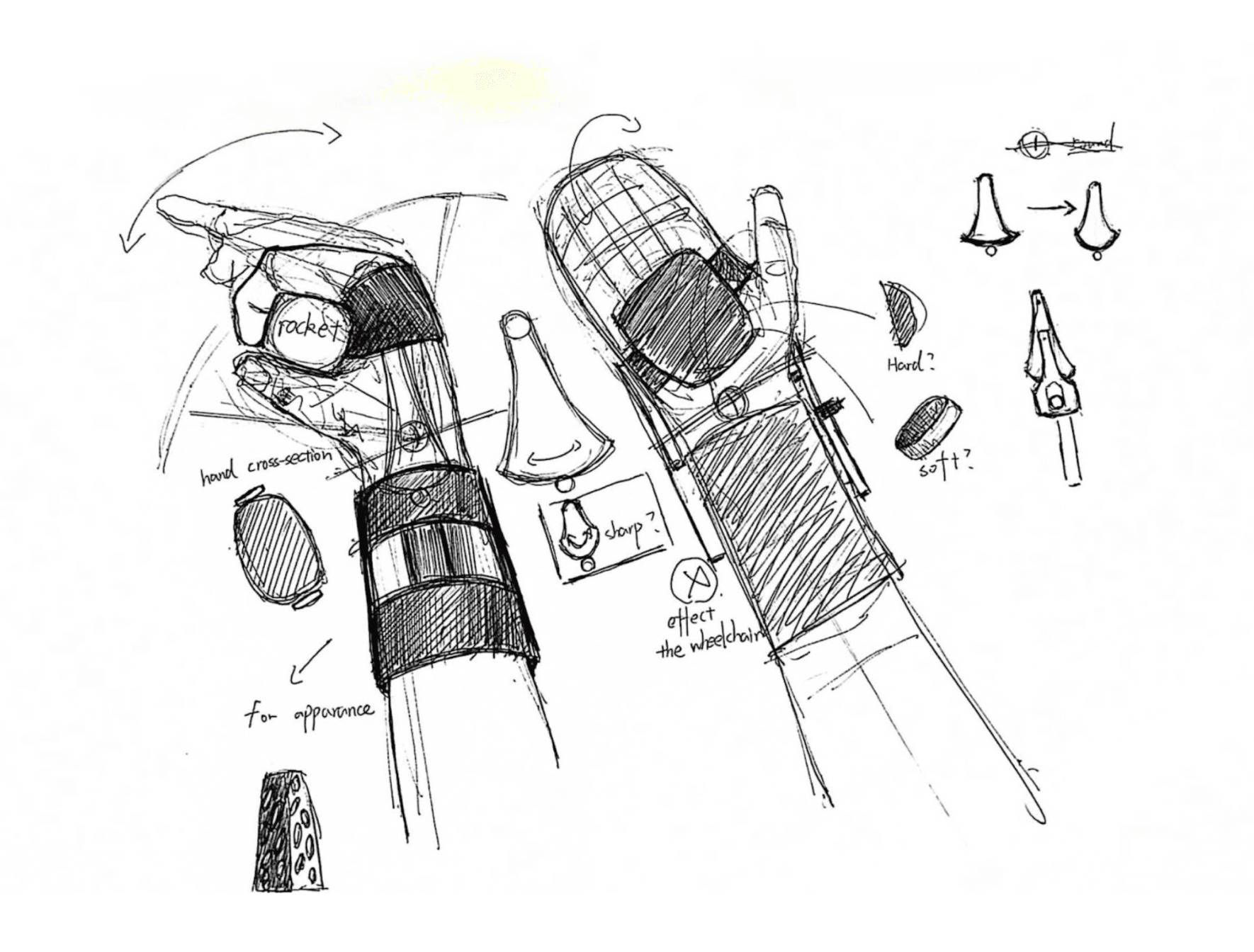
Based on our stakeholder engagement insights and the final design idea we wanted to develop, the team listed user requirement and rated their priority level on a scale of 1–10.
VR Scene Prototype
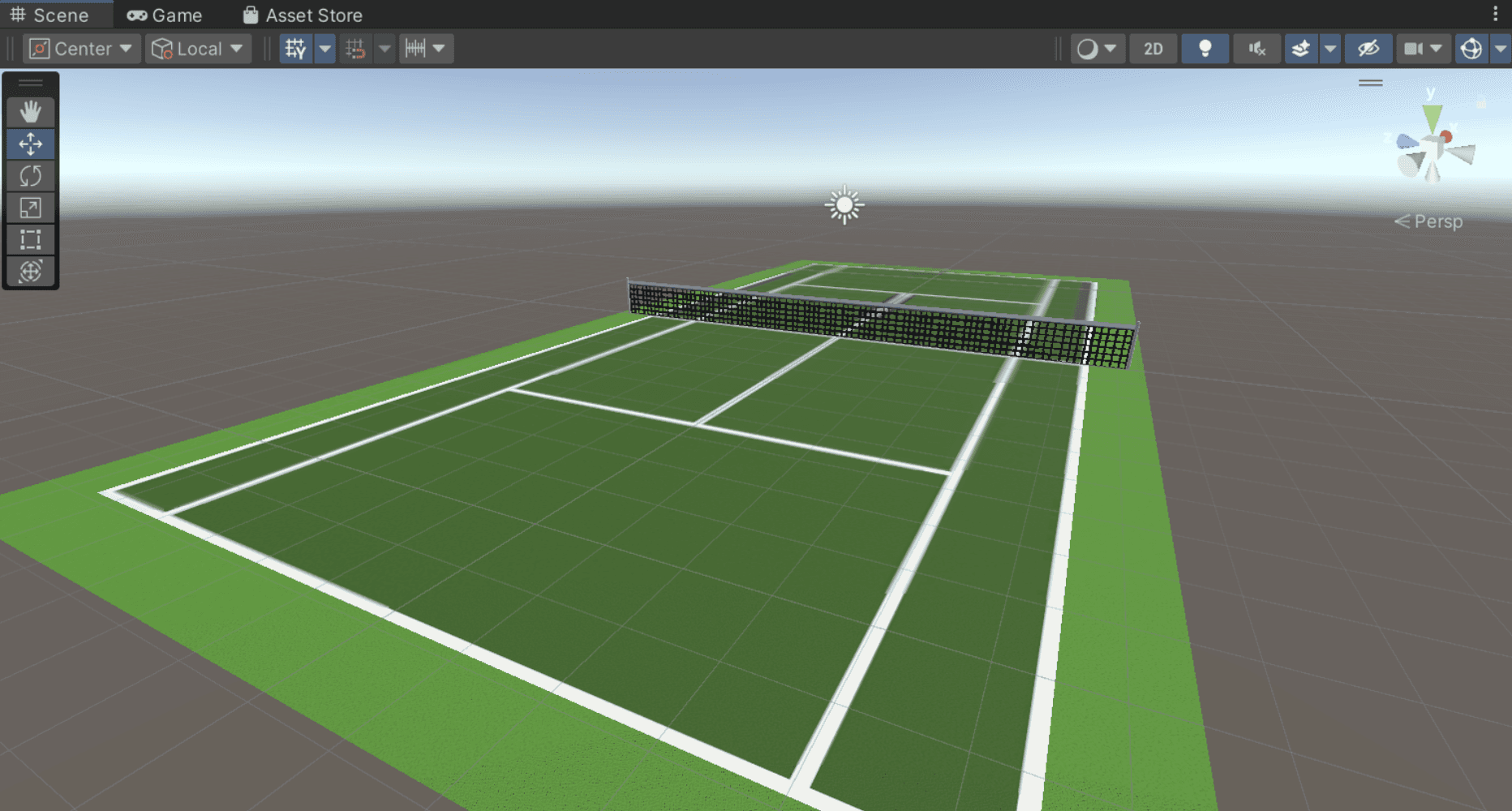
We used Unity's VR template in combination with the Oculus Quest 2 hardware to build a virtual tennis court. This environment includes realistic physical collision mechanics to simulate the behavior of a tennis ball interacting with the court and racket. The rendering pipeline utilizes more realistic color schemes to enhance visual fidelity, aiming to increase the level of immersion for beginners. This approach helps create a more engaging and lifelike environment, making the training experience feel closer to real-world gameplay.
Wheelchair Position Tracking Prototype
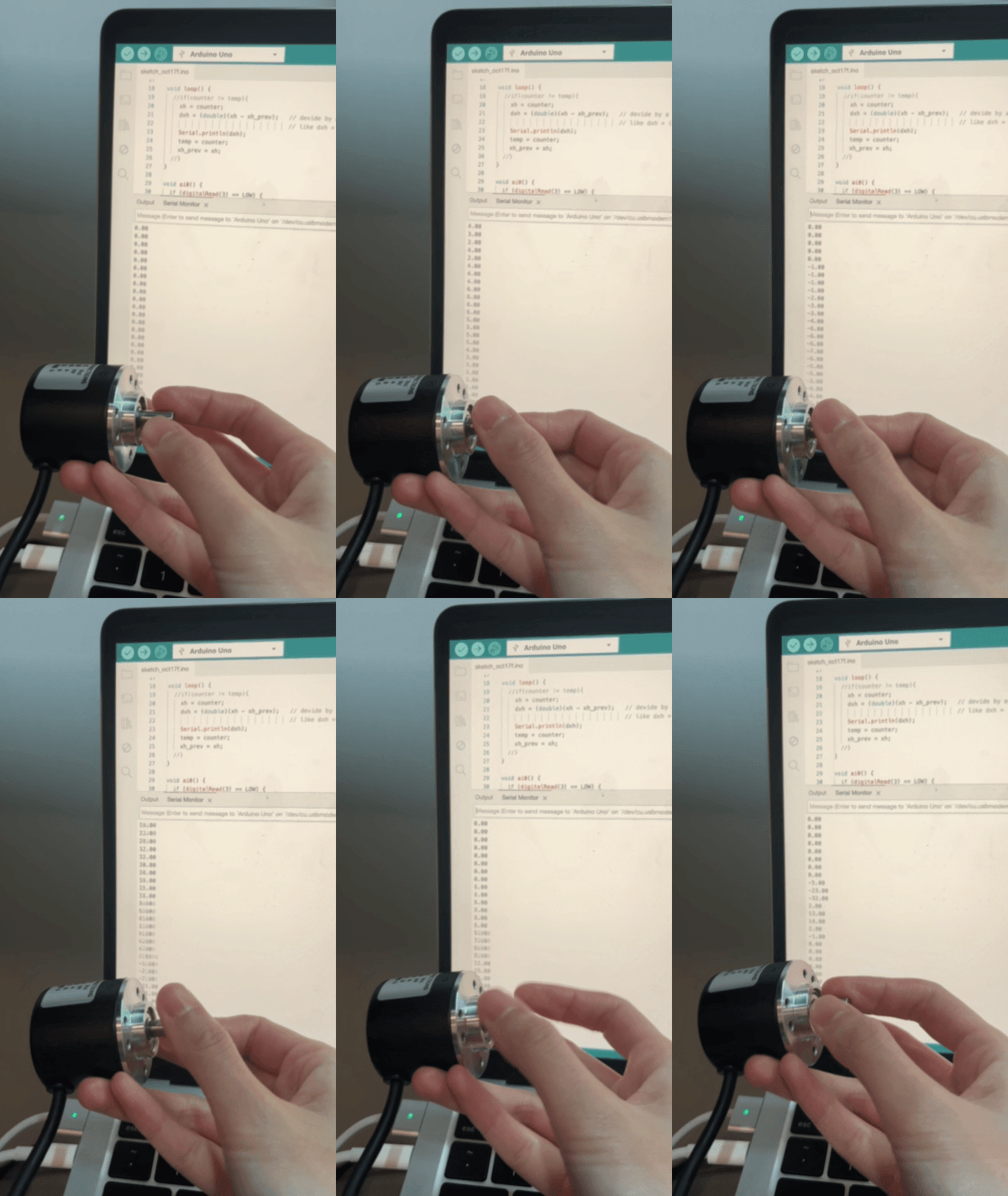
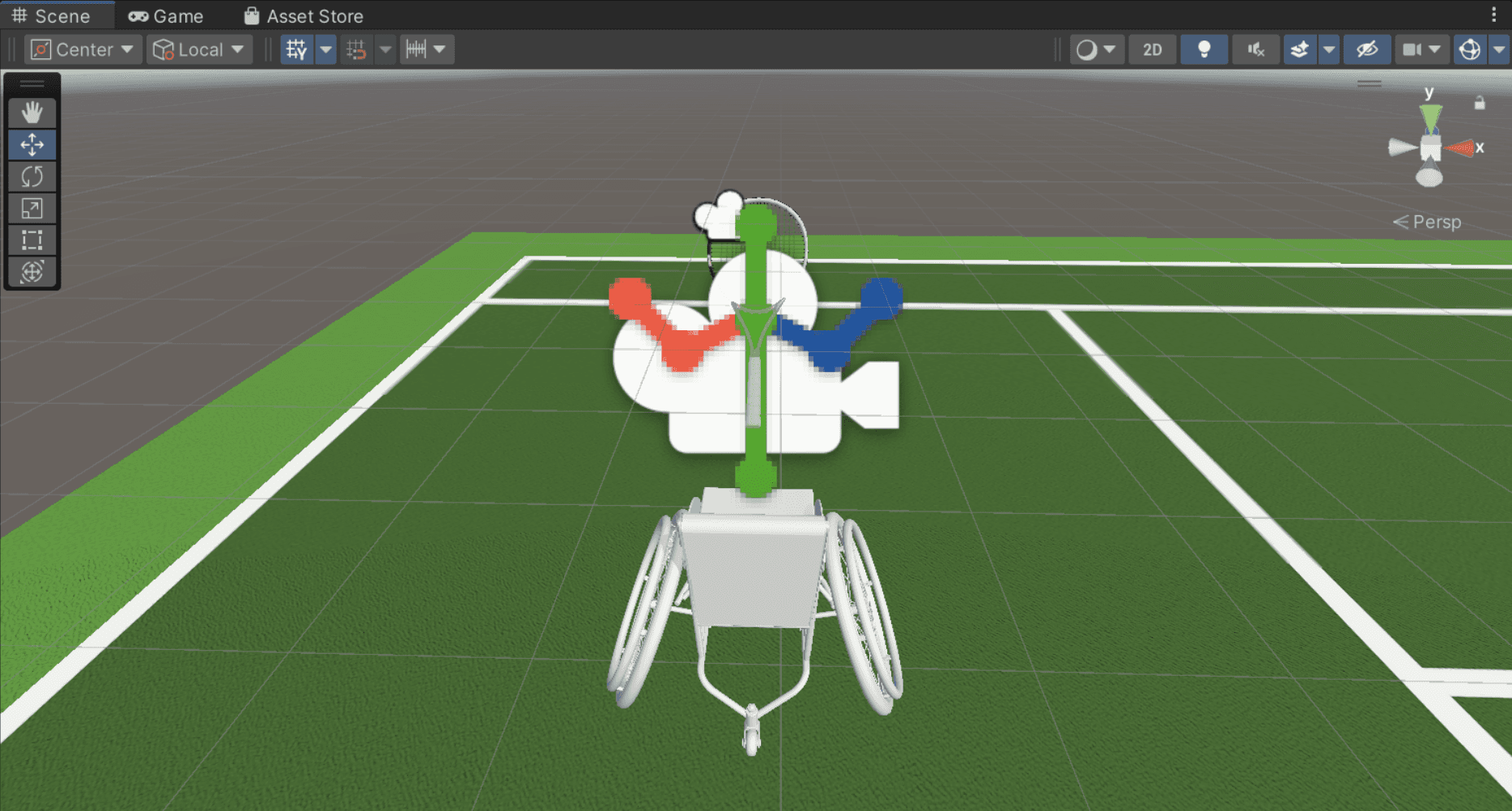
We integrated an encoder that connects with Arduino IDE, enabling continuous monitoring of the wheelchair’s rotational speed. The detected speed is transmitted to Unity, where it is translated into the virtual wheelchair’s speed and direction, effectively controlling movement within the simulation. Currently, the speed monitoring device operates via a wired connection, which limits its application in creating a fully functional prototype that can be directly mounted on a wheelchair. In future iterations, upgrading to a Bluetooth-enabled system could enable the development of a wireless, functional prototype for seamless integration with the physical wheelchair.
Sharing Prototypes
After completing the MVP, we shared our functional prototype with volunteers and coaches from adaptive sports as well as classmates from the DESCI course. The adaptive sports staff found it intuitive to understand how the device could be used but raised questions about its effectiveness in improving tennis learning and its potential interference with wheelchair interaction. They noted that VR training could serve as a valuable tool for helping beginners with foundational skills but emphasized that it still falls short of replicating the full experience of real wheelchair tennis. They suggested focusing more on improving both the feasibility and the immersive quality of the system to bridge this gap
Test
Benchmarking
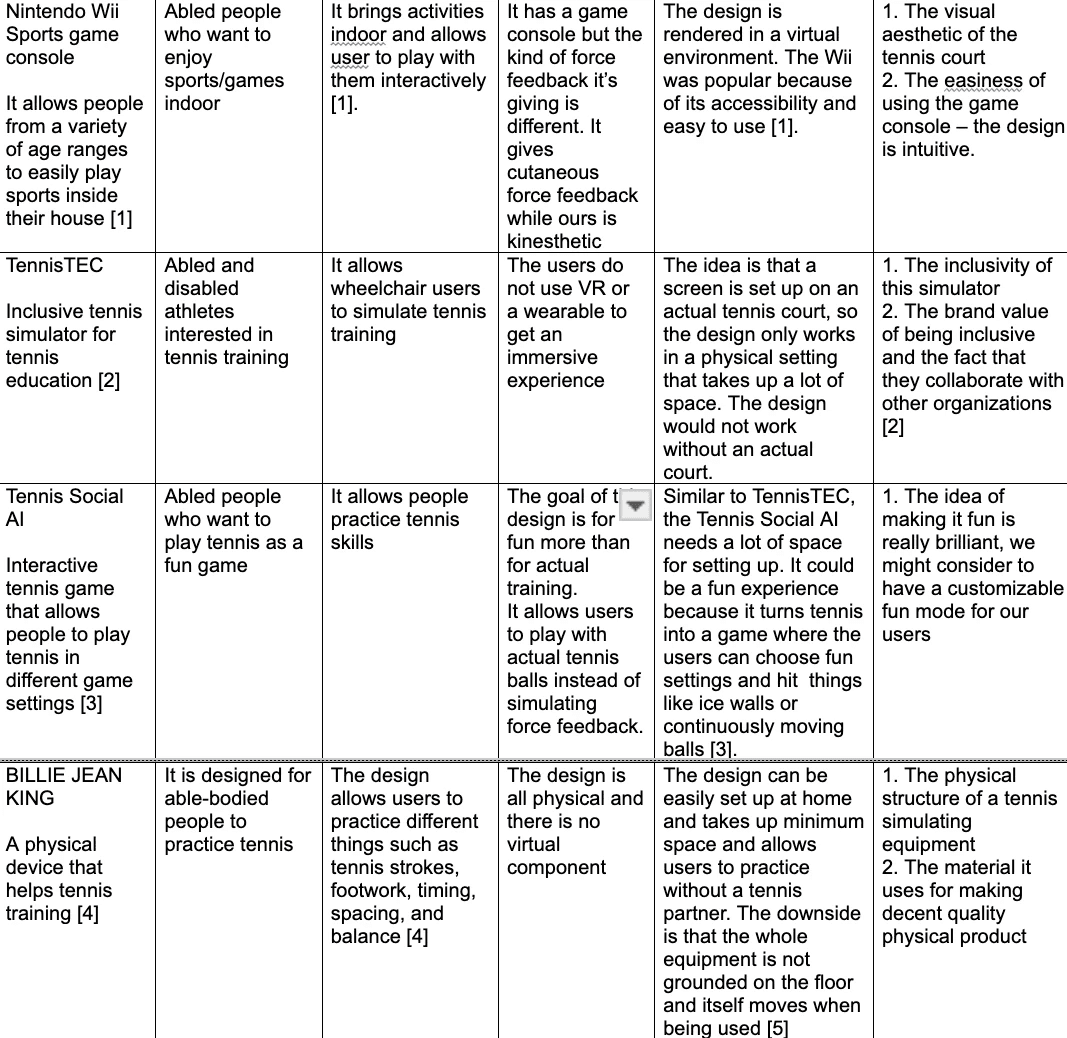
By analyzing these existing products, we found that it’s really important to make our design usable, intuitive, and comfortable, which became the evaluation criteria for our prototype validation.
Contextual Factors Exploration
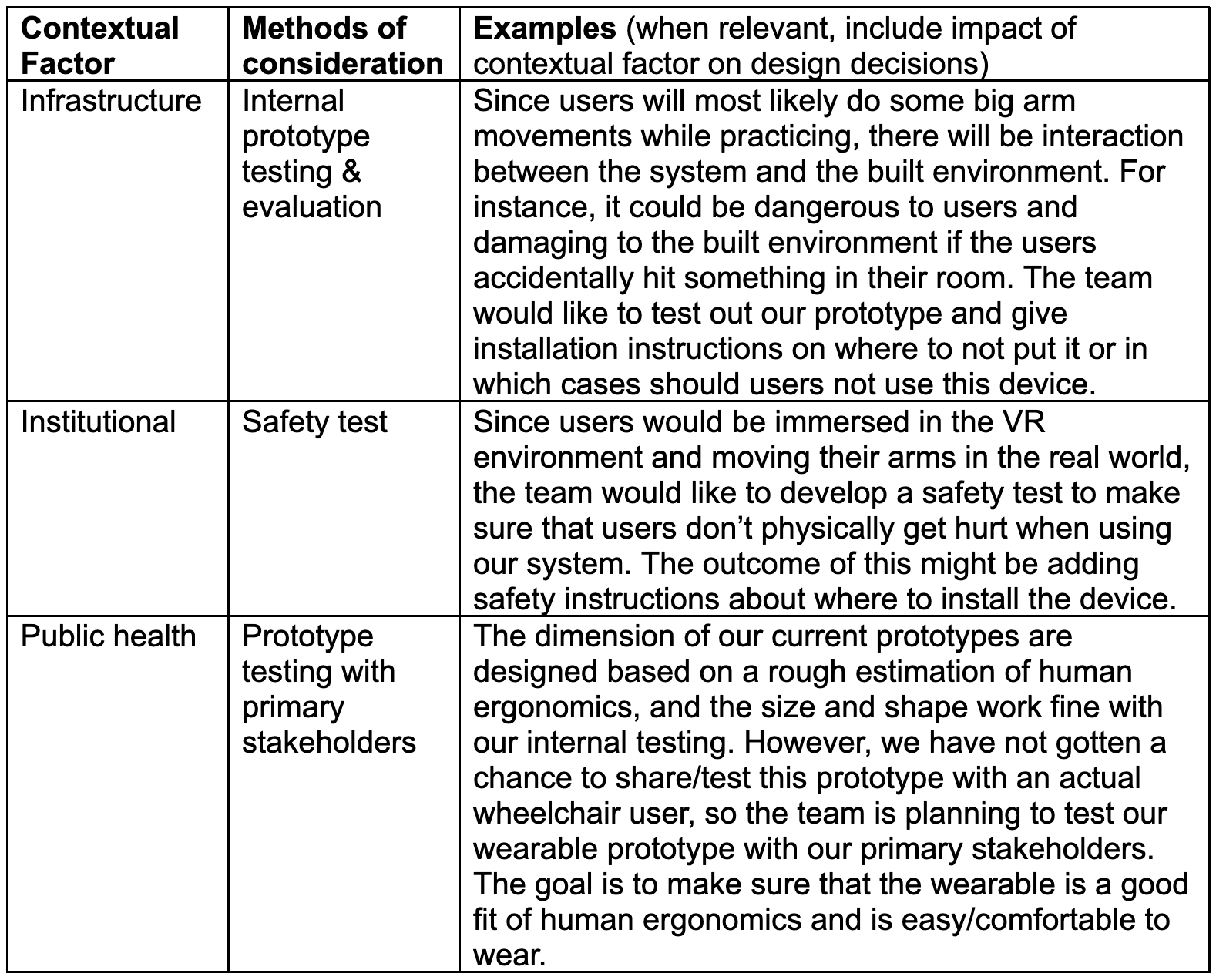
We did a contextual factor exploration based on Burleson and colleagues' paper (Burleson et al., 2023). The team agreed that the contextual factors of infrastructure, institutional, and public health are essential for the development of HaptiCourt but we had not explored at the time we conducted this activity. Therefore, we came up with activities that might help exploring these factors:
Failure Mode and Effects Analysis (FMEA)
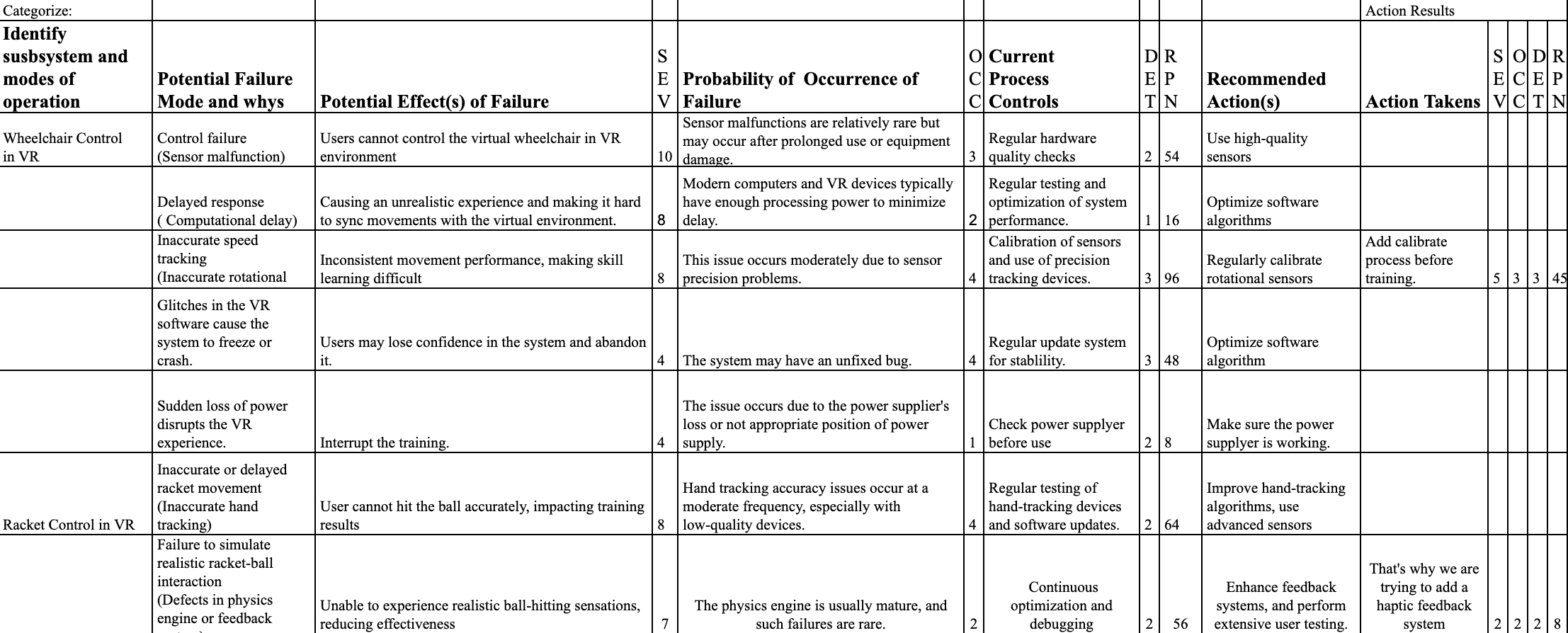
Through conducting FMEA analysis, we identified potential failure modes and quantified them. We selected the items (shown below) with the highest RPN (Risk Priority Number) for improvement.
Reality Concerns: Failure to simulate realistic racket-ball interaction (physics engine/feedback system defects).
Ergonomic Issues: Uncomfortable racket (material/shape design flaws).
Sensor Accuracy: Inaccurate readings from racket handle sensors.
Training Safety: Racket hitting walls during use.
Mechanical Failures: Transmission device jams or malfunctions (design flaws).
Structural Integrity: Structural failure under dynamic motion or inadequate durability for repeated stress cycles.
Feedback Quality: Feedback too strong or inaccurate.
Thermal Management: Overheating of haptic components.
After the improvements, the estimated RPN values decreased by an average of 80% compared to the original values, indicating the effectiveness of the measures taken.
Usability Testing
To get a better understanding of if our design could be successful when implemented, we want to conduct a prototype usability testing to understand four aspects of usability: user experience, functionality, Comfort, and overall satisfaction. The team found five participants who are a good representative of the range of typical human forearm sizes.
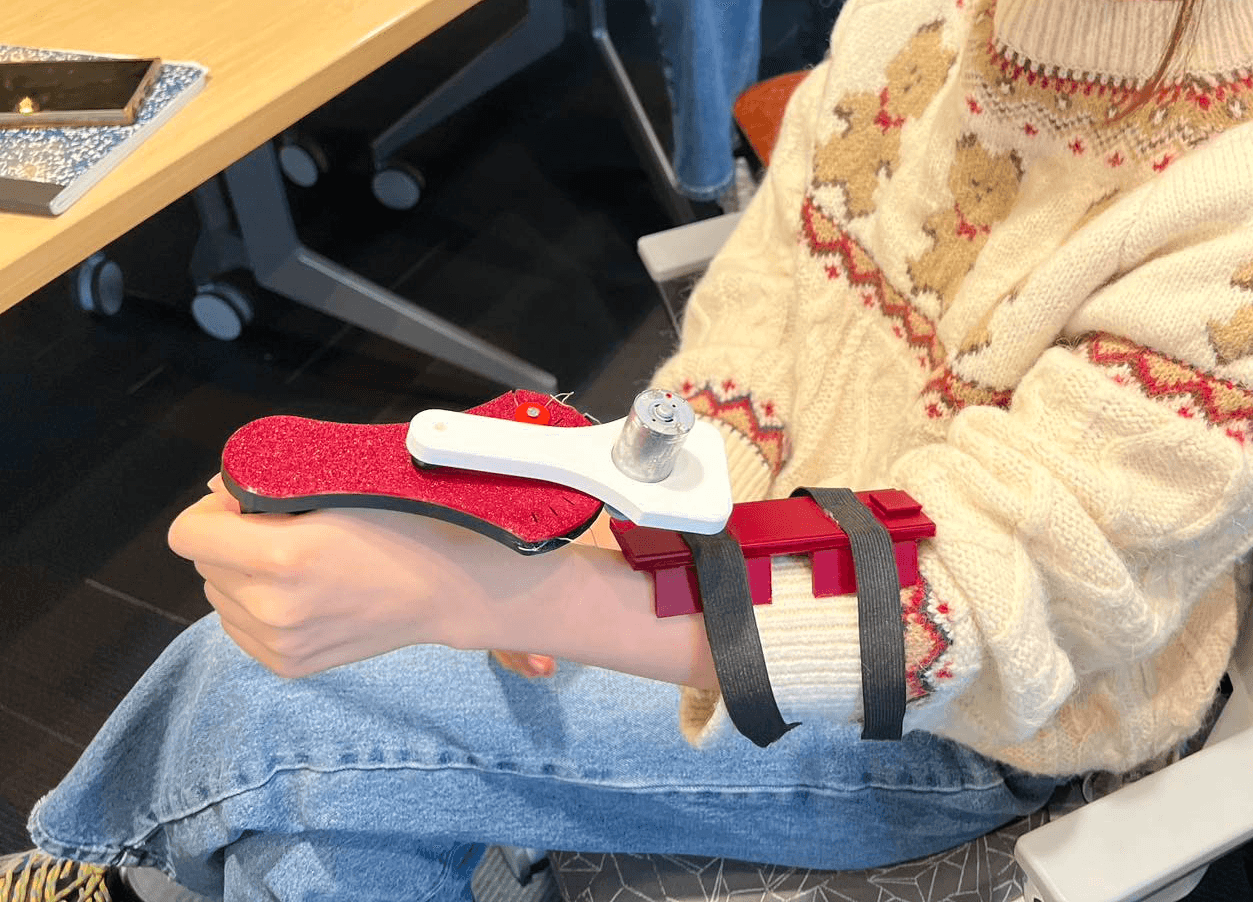
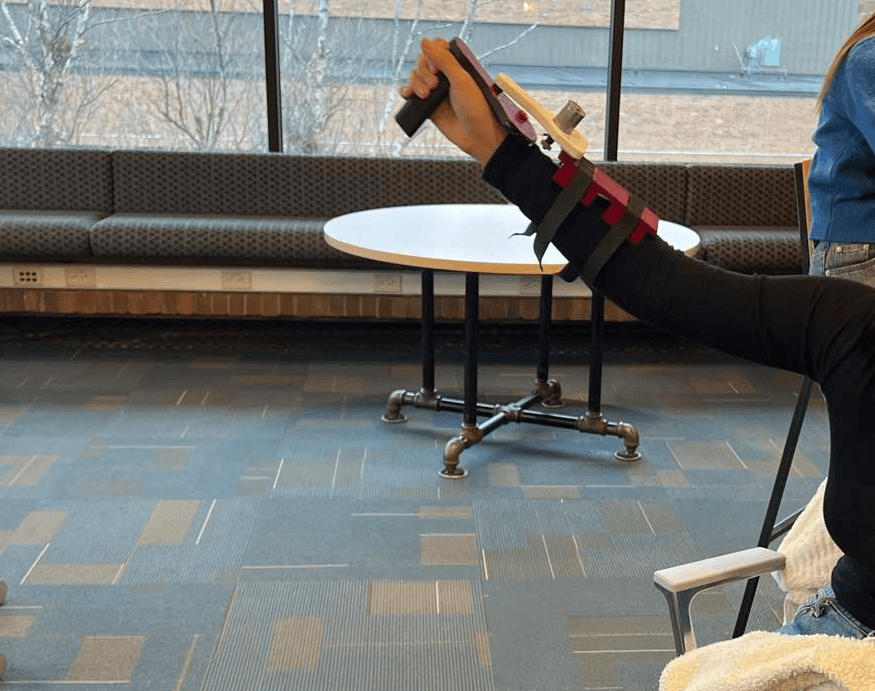
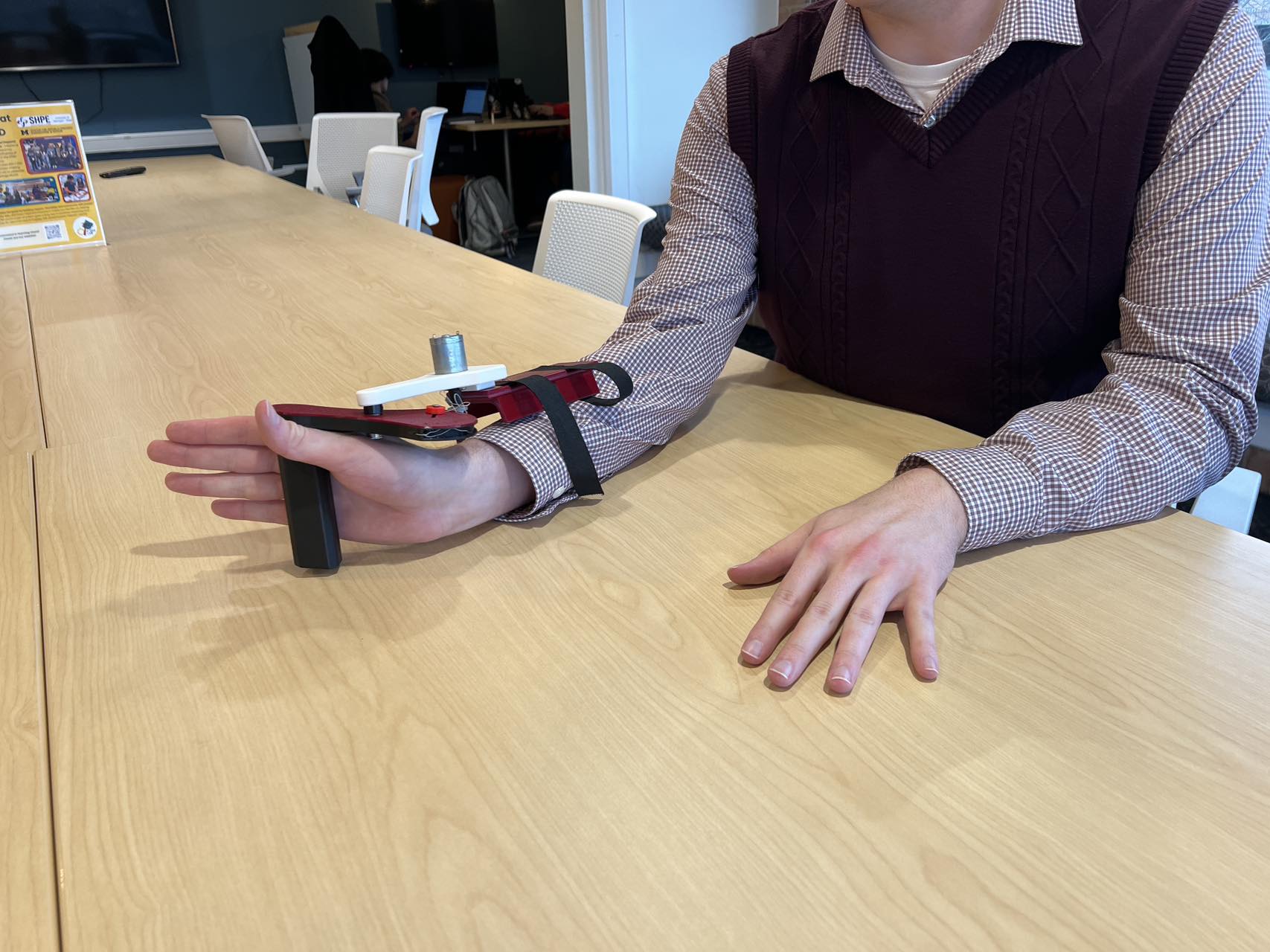
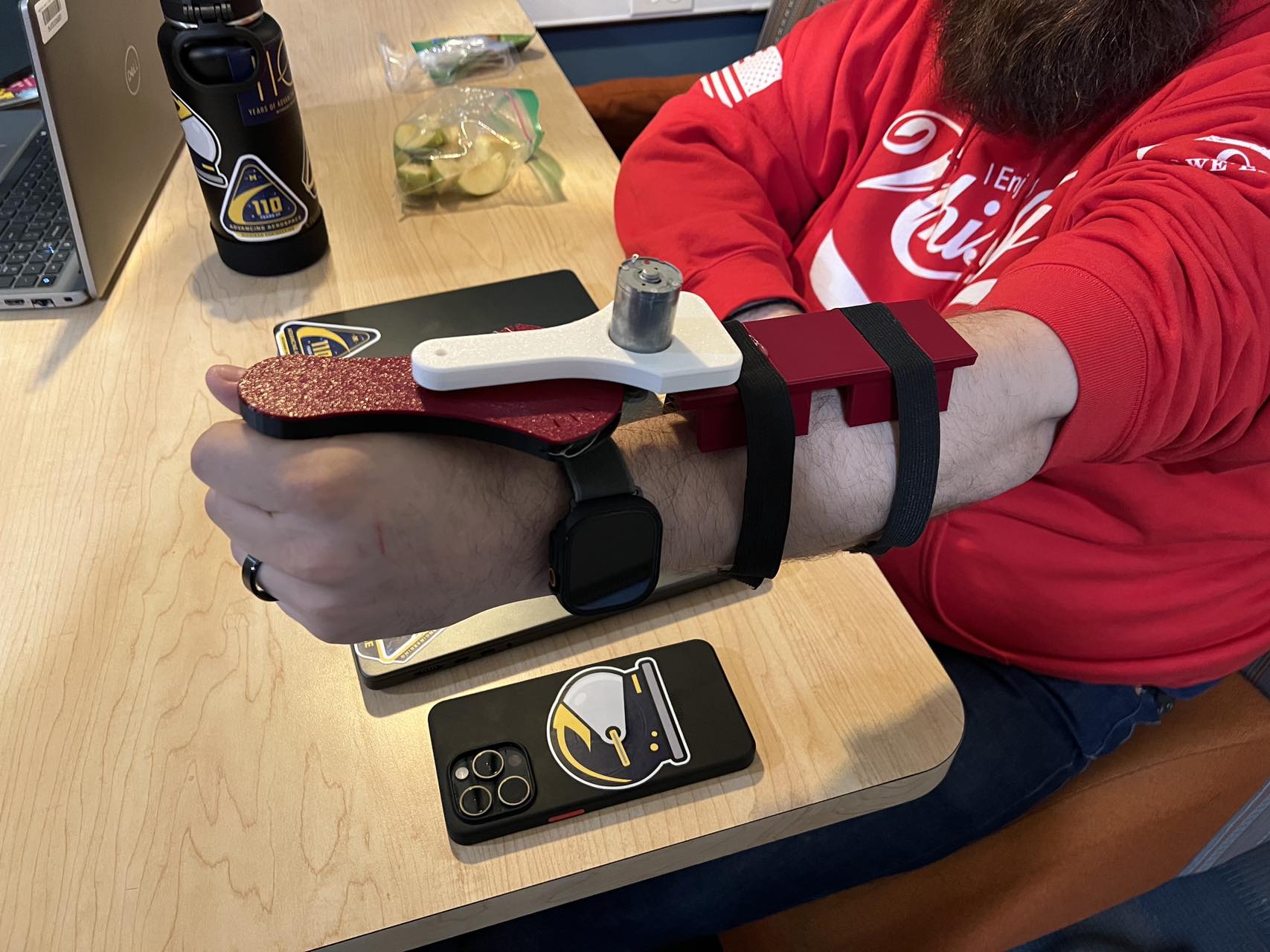
Key takeaways from usability testing:
Device is intuitive. Our wearable device is intuitive so that participants are able to easily identify where to put on the device and how to grip onto the device.
Providing different size options. All of the participants suggested that we should be able to either provide multiple sizing options such as small, medium, large to be able fit different arm/hand sizes. Currently our prototype works for those who have relatively small/slim body sizes but not so well for those who have stronger arms.
Changing material to increase comfortness. Our prototype used PLA as the 3D-printing material, but according to a few of our participants, it was not necessarily comfortable to wear the plastic for a long time.
Wrap it Up
Limitations
While our prototyping and design process provided valuable insights, several limitations have impacted our progress and outcomes. First, our design assumes that target users are right-handed adults, wheelchair tennis beginners with minimal experience in adaptive sports, and without visual impairments or other significant disabilities. This assumption restricts the inclusivity of our design and may limit its applicability to a broader range of users.
Additionally, due to time and resource constraints, our prototypes were primarily low-fidelity, constructed from inexpensive materials like cardboard, foam, and fabric. While these materials enabled the creation of basic models and facilitated initial testing, they lack the durability, precision, and realism of higher-quality prototypes, which could impact the accuracy and reliability of user feedback.
Future Plan
To address these limitations and realize the full potential of our design, our future work will focus on several key areas. First, we aim to refine and enhance our prototypes by using higher-quality materials and incorporating more advanced manufacturing techniques. This will improve the durability, precision, and overall functionality of our devices, ensuring more accurate and meaningful user feedback.
Second, we plan to expand the inclusivity of our design to accommodate a wider range of users. This includes developing variations of the device for left-handed players, children, and individuals with additional disabilities such as visual impairments. By broadening our target audience, we can create a more universally accessible solution.
Third, we will explore more advanced technologies to improve the realism of haptic feedback and enhance the immersive quality of our VR elements. Collaborating with experts in VR technology or acquiring access to advanced equipment could help us create a training environment that closely mimics real-world gameplay scenarios.
Conclusion
The team was able to deliver a minimum viable product version of the wearable in our proposed HaptiCourt system, by understanding the problem space, identifying the design problem, ideation and narrowing down solutions, iterating prototype on a final design idea, and testing the prototype, and envisioning for the future. Our immediate next step is to keep communicating with ASF researchers and get engaged with the community by becoming an ASF volunteer. The stakeholder relationship that we’ve built is an incredibly valuable resource for us to not only conduct more testing for this project, but also to open up new opportunities for our potential future projects related to the space of disability.
Meet the TEam
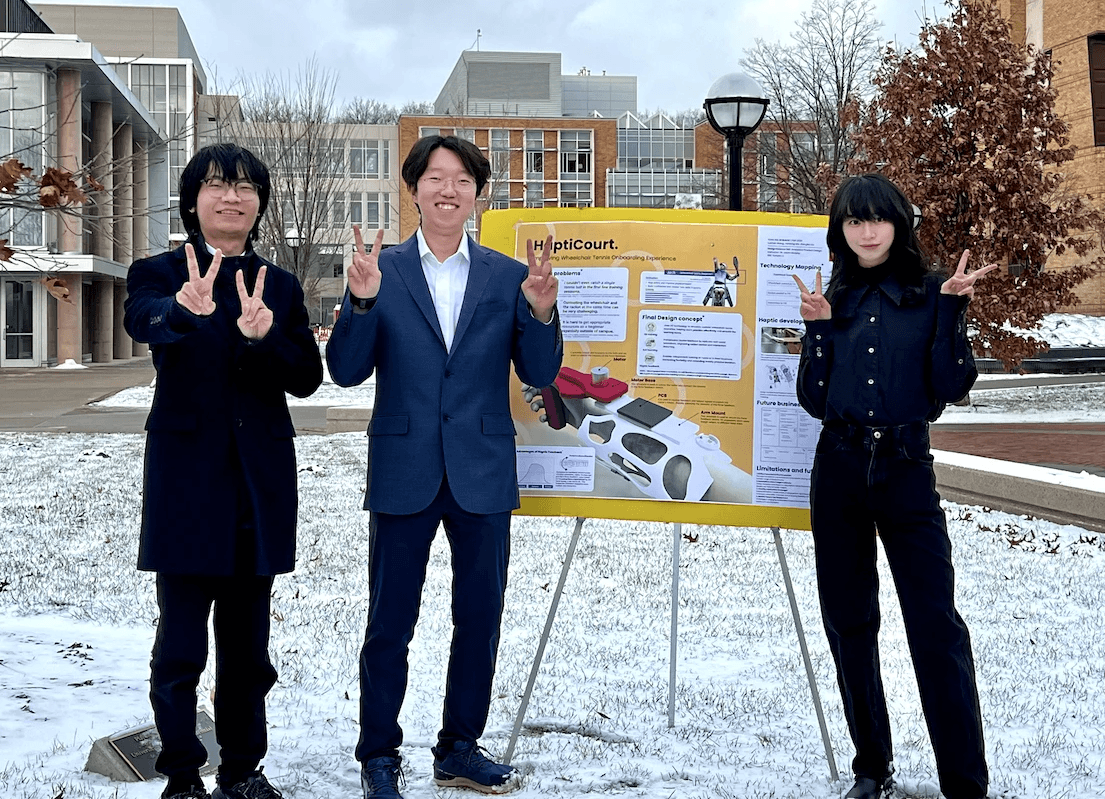
Yanbing Ma
"Thanks for this course, which brought our team together. Each member comes from a different background, providing me with a lot of inspiration and new perspectives. The project process was very comprehensive. Although much additional work is still needed, its feasibility has already been preliminarily validated. We will continue to work on it."
Xiangbo Liu
"From my perspective, I believe this project provided me with a valuable lesson about the entire workflow of a designer, from idea generation to prototyping. It helped consolidate my design skills while also offering me a deeper understanding of the processes involved in turning concepts into tangible outcomes."
Lushan Wang (She/her)
"The HaptiCourt project had greatly enhanced my product management and product design skills. I learned not only how to work with a team where the team members have unique skillsets, but also how to build relationships with different types of stakeholders, which is one of the most valuable takeaways for future design work."
Works Cited:
"An Introduction to Design Thinking Process Guide" by Hasso Plattner Institute of Design at Stanford. Retrieved 9 December 2024. https://web.stanford.edu/~mshanks/MichaelShanks/files/509554.pdf
Billie Jean Kings. The Eye Coach. Retrieved 9 December 2024. https://www.theeyecoach.com/
Burleson, G., Herrera, S. V., Toyama, K., & Sienko, K. H. (2023). Incorporating contextual factors into engineering design processes: an analysis of novice practice. Journal of Mechanical Design, 145(2), 021401. https://res.infoq.com/articles/scaling-lean-ash-maurya/en/resources/Scaling-Lean%20Excerpt.pdf
Hapkit. Stanford. Retrieved 7 Nov 2024. https://hapkit.stanford.edu/
MTEF. (2023, July 17). We are partnering with TennisTEC to make tennis more accessible!. MTEF. https://www.midwesttennisfoundation.com/single-post/we-are-partnering-with-tennistec-to-make-tennis-more-accessible
Pugh, S., 1990. Total Design-Integrated Methods for Successful Product Engineering. 1st edition. Wokingham Addison-Wesley Publishing Company. - References - Scientific Research Publishing. (n.d.). https://www.scirp.org/reference/referencespapers?referenceid=510512
Salah, F. (2024, May 8). Nintendo’s revolution: How the wii changed gaming forever, 20 Years on. The National. https://www.thenationalnews.com/arts-culture/2024/05/08/nintendo-wii-announcement-2004/#:~:text=Another%20strong%20selling%20point%20was,gaming%20was%20a%20static%20exercise
TSC. Tennis Social AI. (2024, September 18). https://tennissocial.ai/
© 2025 Lushan Wang Portfolio. All rights reserved.